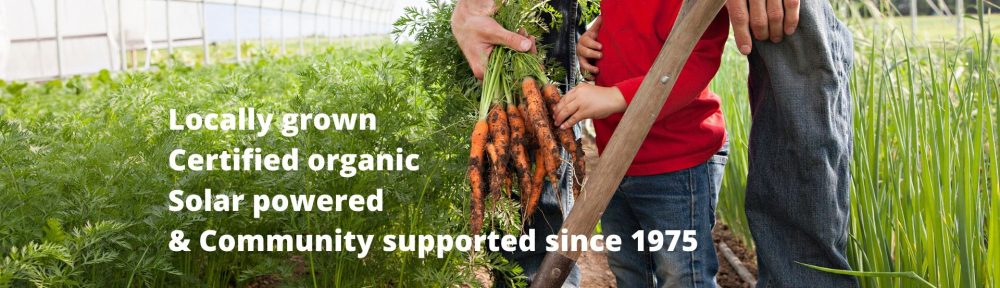
I came across a recent headline of the Everest & Wausau Extra that read “In farming, you have to love it.” It is always dangerous skimming headlines these days, but this one stuck out to me. It stuck out not in the desperate attention grabbing fashion that so many articles seem to employ, but in more of an “ain’t that the truth” way. It certainly has been my experience throughout my limited time in this field of work (no pun intended). I feel lucky to have met so many people genuinely enthusiastic and passionate about their work. At the Food Farm specifically, but also across the farming community in general.
Last week, after some fun in the onion fields, the crew took a road trip across Co Rd 1 to visit Northern Harvest & Spirit Creek Farm. It was a great experience to be exposed to some different ways of doing things. Some of the vegetable varieties may have been different, but the passion & craft was apparent! We even got a V.I.P. tour of the newly built commercial kitchen built by Adam Kemp & Rick Dalen for use in their food production business – Spirit Creek Farm has around eight different products, from different kinds of sauerkraut, ginger carrots, and even Kim Chi!


In your share this week:
Basil – Northeaster Beans – Red Cabbage – Carrots – Cilantro – Cucumbers – Garlic
Greens Mix – Onions – Red Peppers – Hot Peppers – Yellow & Purple Potatoes
Spinach – Acorn Squash – Tomatoes
Preserving season is upon us! It’s an exciting, but sometimes overwhelming time of year. There are so many different methods and techniques. Everybody you ask seems to give you a different answer on how it ought to approached. After finally deciding how you want to go about it comes the next step of actually carving out the time to get it done. It is important to follow your tastes and discover what makes sense for you, but here at the farm it seems the general consensus is to opt for less work in the fall and more in the winter, when we all seem to have a little more time on our hands. Instead of canning tomato sauce, maybe just can the tomatoes whole and use them to make the sauce in the winter (onions, garlic & dried herbs store well on their own). Instead of trying to marinade and preserve a bunch of peppers, maybe just chop and throw them in the freezer (no blanching required!) The peppers in your share today would be a great candidate for this technique. As would the basil and garlic in the form of pesto!
Basic Pesto
2 cups fresh basil leaves (no stems)
2 tablespoons pine nuts (or walnuts)
2 large cloves garlic
1/2 cup extra-virgin olive oil
1/2 cup freshly grated Parmesan
- Combine basil leaves, pine nuts (or walnuts) and garlic in a food processor and process until very finely minced.
- With the machine running, slowly dribble in the oil and process until the mixture is smooth.
- Add the cheese and process very briefly, just long enough to combine. Store in refrigerator or freezer.
Roasted Acorn Squash
1 medium acorn squash
1 tablespoon extra-virgin olive oil
1/4 teaspoon salt
- Preheat the oven to 400 degrees Fahrenheit and line a large, rimmed baking sheet with parchment paper for easy clean-up.
- To prepare the squash, use a sharp chef’s knife to slice through it from the tip to the stem. I find it easiest to pierce the squash in the center along a depression line, then cut through the tip, and finish by slicing through the top portion just next to the stem. Use a large spoon to scoop out the seeds and stringy bits inside, and discard those pieces.
- Place the squash halves cut side up on the parchment-lined pan. Drizzle the olive oil over the squash, and sprinkle with the salt. Rub the oil into the cut sides of the squash, then turn them over so the cut sides are against the pan.
- Bake until the squash flesh is very easily pierced through by a fork, about 30 to 45 minutes depending on the size of your squash. Add any desired toppings, and serve warm.
For the farm crew,
Charlie
 Food Farm