The weather this week is telling us that Fall will be here before we know it.
On the farm, we’re keeping a close eye on our Fall crops, and enjoying our summer crops before we must say goodbye.
Last week we spent a lot of time with our winter squash. Holy moley it is all so happy this year! Our delicata plants are the largest they’ve ever been, and they’re producing big and beautiful squash. The acorn squash is already sizing up, and the sunshine squash are a beautiful light orange. The plants have about 2-3 more weeks of growing before we plan to start harvesting them.
There have also been talks about where we will put our Spring spinach. Our plan is to plant the spinach in the next few weeks so it has time to germinate and start growing a bit before it gets too cold out. Once it starts to get too cold, we’ll put a frost blanket over it, and tuck it in for the winter. During the winter, the spinach will enter a dormancy period (think hibernation but for plants) where it will stop growing, and instead conserve all of its resources until the Spring when the temperatures get warmer and the days get longer. Once Spring hits, the spinach will start growing again, and be ready to harvest for our final Winter CSA boxes.
Over-wintering frost tolerant vegetables is a great way to get a jump start on the growing season. Instead of having to wait the full 50 days for the spinach to be ready for harvest, we only have to wait about 2 weeks. This gets fresh greens in our bellies much faster, and seeing green gets everyone excited for the new season to start.
In your box this week:
Tomatoes – Zucchini – Cucumbers – Green Beans – New Red Potatoes – Cilantro – Basil – Sweet Onions – Jalapenos – Green Peppers – Carrots – Garlic
Shakshuka is a favorite in our household this time of year. Try out this recipe from Downshiftology for a great way to use up lots of produce from this week’s box. This recipe calls for Red Bell pepper, and a can of whole tomatoes. I’ve made this recipe hundreds of times with Green peppers, and using fresh whole tomatoes that you cook down. Yes, the fresh tomatoes make it take a little longer to cook, but you can’t tell the difference. Dice up your jalapeno for an extra kick!
Lots of people will be having their goodbye summer parties this weekend. This Cucumber Agua Fresca is a great way to celebrate summer one last time. It’s light, refreshing, and a great way to use up extra cucumber. If you want to make it extra fancy, try freezing cucumber slices and/or mint leaves in your ice cubes.
Last October, our crew lovingly hand planted thousands of cloves of garlic. We covered them with straw to tuck them in for their winter nap. This Spring we harvested and ate the scapes so the bulbs would grow big and beautiful. The lower leaves of the garlic plant slowly died. Once about half of the plant had brown/dead leaves, we knew the garlic was ready to harvest.
The first step of the process is to mow off the tops of the garlic. These plants can grow to be about 2-3 feet tall. All of the leaves and stem get in the way while harvesting and washing, so we mow the garlic down so only about 8-12 inches of stem is left.
Janaki then drives the tractor over the bed and uses an attachment that gently loosens the bulbs from the soil. The crew then pulls out each bulb by hand, and loads them all on a wagon. The wagon goes back and forth from the field to our washing station by the greenhouse.
Once the garlic arrives at our washing station, we give each one an initial inspection. This removes any garlic that might have gotten damaged during the harvesting process, or any garlic that didn’t form proper bulbs. All garlic that passes inspection gets a quick rinse to remove any remaining soil. It’s then placed on a drying rack in front of industrial sized fans. It will remain here for the next few weeks while the papery outside and the inside stem fully dry out.
Once it’s fully dried, some garlic will be saved for Summer Shares, some placed into storage for winter CSA boxes, but most will be sent out in our much sought after garlic preserving shares. Take this as your reminder that if you haven’t already purchased your garlic preserving shares, now’s the time. Once it’s cured, it stores great in a dry place with good air circulation, but this is also a great way to stock your fridge/freezer with minced garlic or power up your dehydrator to make your own garlic powder.
In your box this week:
Mini Carrots – Jalapenos – Green Bell Peppers – New Red Potatoes – Cucumbers – Lettuce – Onions – Tomatoes – Zucchini – Green Beans – Red Cabbage
I made this Panzanella last week, and I can’t stop thinking about how delicious it was. It’s a great way to use up an abundance of tomatoes and cucumbers. We served it along side some grilled shrimp, but I also ate it on its own as a light and refreshing lunch.
Carrots are a staple here at the Food Farm. Most people eat them straight from the fridge, but sometimes you want to change things up. If you’re looking for a different way to use up your carrots, check out these Almond Flour Carrot Cake Scones. The warming spices make your house smell delicious, and the orange juice glaze is a wonderful addition. Bonus: they’re gluten and dairy free, with no mixer required.
Last week our hot weather crops finally started heating up. We picked the first of our peppers, outdoor cucumbers, and our outside tomatoes. The zucchini have been loving the hot weather as well. The melons are still small, but they are finally growing fast.
We also sent out the first of our carrots to our retail partners! If you or someone you know has been looking for our carrots, you can now find them on grocery store shelves around Duluth and at Super One in Cloquet.
Right now is kind of our “calm before the storm”. We spent a lot of last week weeding and hoeing things. Soon we will be so busy with harvesting, we won’t have time to deal with the weeds so now it’s extra important to stay on top of them. Most of them flower and put on seed really quickly thanks to the hot weather. If we don’t get the weeds out of the field before they drop their seeds, we will have an even worse problem next year.
We used some time last week to plant our final greenhouse items for the year, take down the fencing that holds up our peas, and get it put away so we can sow a cover crop on that field. Soon our attention will be shifting to garlic and onion harvesting and curing. Once the alliums come out of the field, we will be in full fall harvest prep.
Normally in August, we have an open house at the farm. This year we have decided to hold this event a little later in the fall. If you don’t wait to wait that long to come visit the farm, you are always welcome to come out on a CSA day (Monday or Thursday mornings) to volunteer by picking and/or packing vegetables. We will also be harvesting garlic this week–probably on Wednesday. We planted more garlic than normal this year, so we would love all the extra help we can get. If none of these days work, feel free to call or email Janaki to set up a different time to come look around the farm. We love showing off all this beauty!
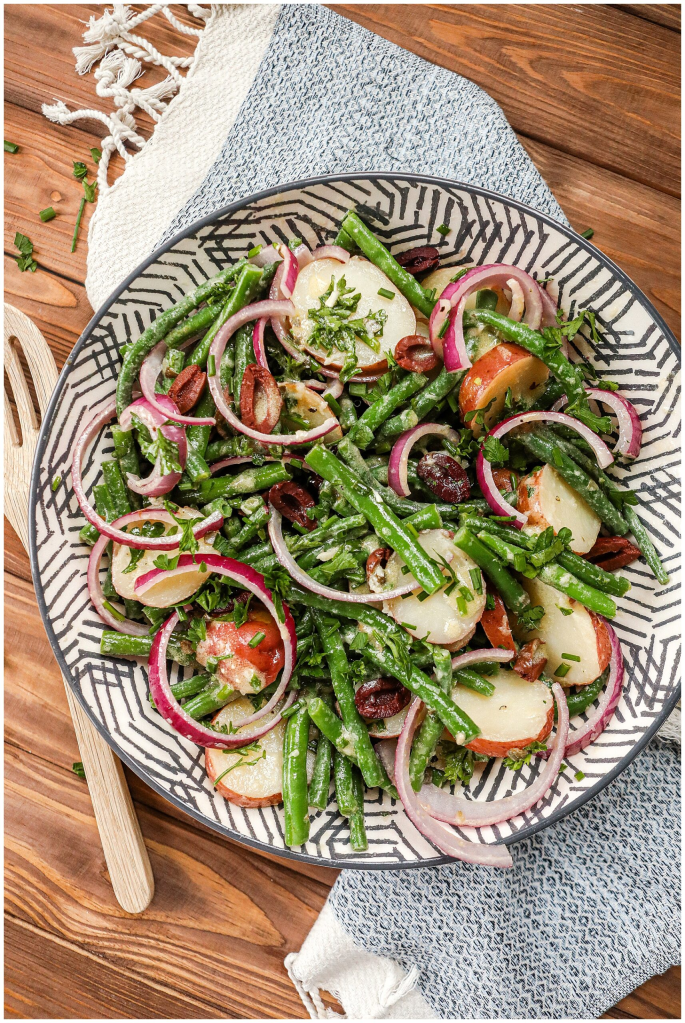
It’s green bean time! This French Green Bean Salad is one of my favorite ways to use up green beans and potatoes when I’m tired of my usual recipes. The bright vinaigrette with the fresh parsley makes this perfect for a hot summer day.
This time of year, Zucchini are in abundance. Your friends and neighbors are probably begging you to take some off their hands. If you’re looking for a fun and new way to use up some of that abundance, check out this Spicy Roasted Zucchini Dip. It’s perfect with crackers, veggies, or spread on a wrap.
Last week was a very exciting and much anticipated week on the farm. It’s the beginning of carrot harvesting!
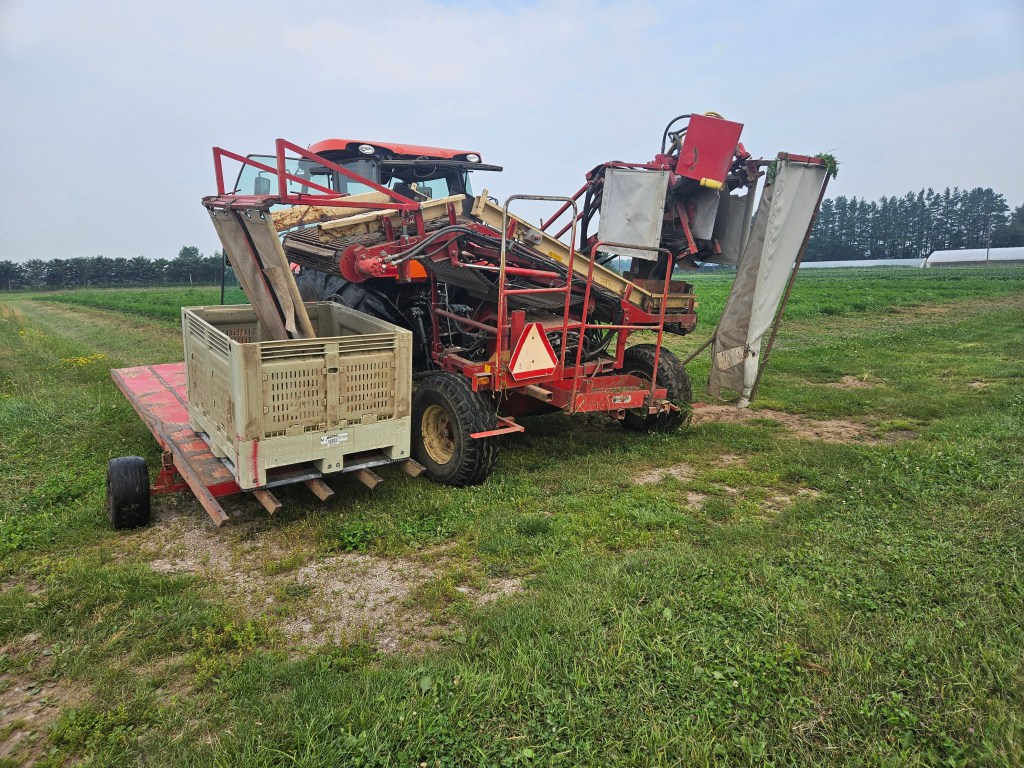
Our beautiful carrot harvester ready for its first use of the season
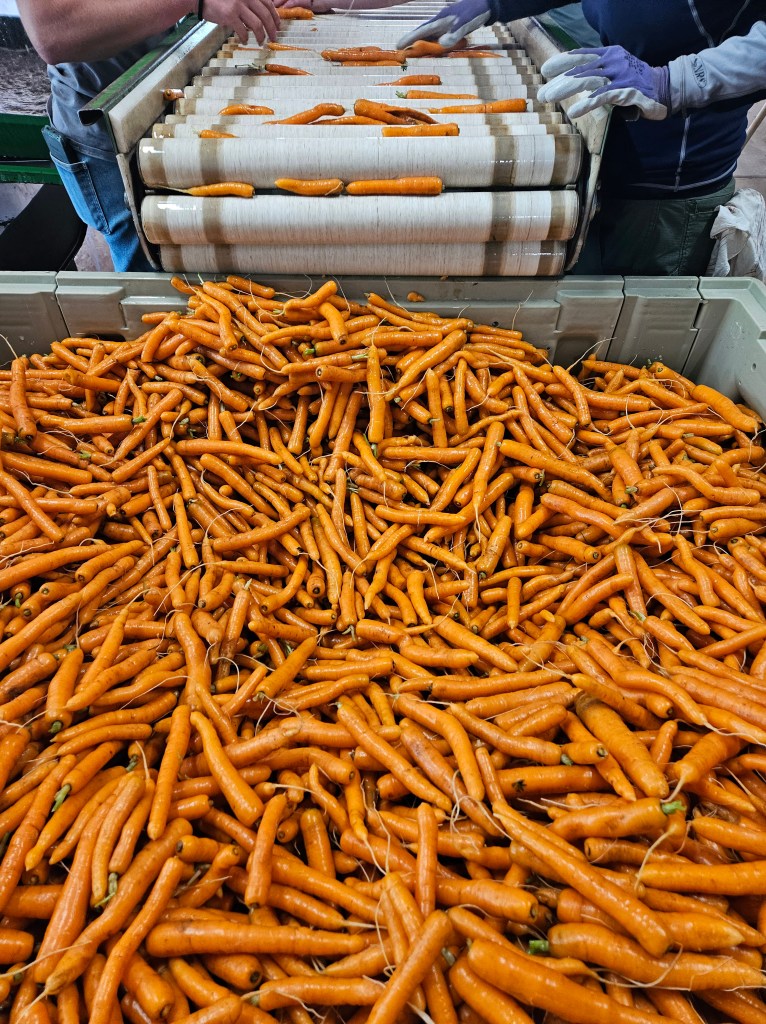
We got to dust off the carrot harvester that has been sitting in storage since last Fall. It’s such a fun time on the farm when we start bringing out the harvesters. Whenever we bring out a harvester, we split the crew into two groups. One group is on the harvester using their quick reflexes to sort through the carrots or potatoes as they speed past on their way into the pallet box. This crew is in charge of removing any rocks, weeds, or defective veggies while we’re still out in the field so these things don’t make their way to our washing line. Group two is in charge of the washing line. This group accepts the pallet boxes when they come off the harvester, and run the veggies through our washing assembly line. This group is always working extra hard. The people at the beginning of the assembly line are sorting out anything that made it past our quick eyed harvesting team. The veggies then go through a rinse cycle to get nice and clean. After that, the veggies pop out onto a roller table where they go through one final round of inspections to ensure only the best veggies end up in our root cellar.
The carrots getting their final inspection and heading into the box for storage
On a typical day on the farm, the crew is spread out working on multiple projects at once, but on harvesting days, it’s all hands on deck focused on one task. It’s also a cool time because we get to see the carrots come full circle. We were there when the carrots got seeded, we crawled around for many hours weeding all of them, and now we get to see all of our hard work in a beautiful orange bundle as they head off to all of you in your weekly boxes.
Speaking of your boxes, you’ll find lots of new goodies in them this week. If you’ve never had them, or even heard about them, New potatoes are potatoes that are prematurely harvested. They’re generally smaller in size, a little sweeter, slightly less starchy, and have a very thin skin. The thin skin does mean you will want to enjoy these sooner rather than later, and it is highly recommended that you store them in your fridge rather than on the counter like you might with a mature potato.
We are also introducing peppers! I always like to give people a little warning before we send Jalapenos for the first time. The variety that we grow on the farm are big, beautiful, and incredibly spicy. Jalapenos are usually spicy, but the ones from the farm pack an extra punch, so I would recommend using just a little and adding more to your preference.
In your share this week:
Basil – Carrots – Cilantro – Hot Pepper – Bell Pepper – Cucumbers – Chard/Greens Mix – Lettuce – Green Onions – Snap Peas – New Potatoes – Tomatoes
This cucumber salsa is a bright and refreshing way to use up multiple veggies in this week’s box. This would be great eaten as is with chips or toasted bread. If you want to get a little more adventurous, try it as a topping for fish tacos or a beautifully grilled steak.
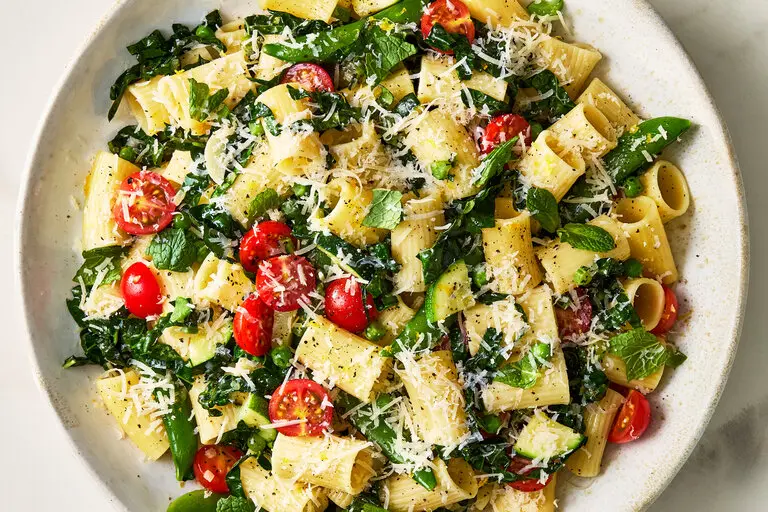
By now you might all be curious for a way to use up sugar snap peas that isn’t eating them straight out of the bag. If you need a little inspiration, try this Spring Garden Pasta Salad. It’s another great way to use up multiple veggies at once. The recipe calls for chard or kale, but a handful of greens mix would be perfect in this as well.
Last week was filled with lots of carrot weeding. In the Spring, we start with two plantings of carrots in our greenhouse. These are the carrots you all have been enjoying thus far. We also plant 4 plantings outside. Each one is a little bit larger.
Right before the carrot seeds pop up from the ground, we go over the beds with a flame weeder. This is a tractor attachment that burns all of the weeds so the carrots don’t have any competition while they’re germinating. This is a crucial part of the weed control process. It eliminates a large number of weeds at the beginning of the carrots life when they’re the most fragile. After the carrots have popped up from the ground, we can’t flame weed anymore otherwise we would kill all the carrots. This is where the crew comes in.
We crawl along each row of carrots removing all of the weeds by hand, and disrupting the soil around the plants so hopefully no more weeds germinate. With our first outdoor planting, this goes pretty quick. It’s a short field with less rows, and it’s usually not too hot out. The fourth planting however, is quite the beast. This is our Fall planting of carrots, and the one the crew is currently working on weeding. These are the carrots that will be stored for the winter. In order to have carrots to send through the end of Winter CSA in April, we have to plant A LOT.
Each carrot must be lovingly weeded and cared for. This means the crew will crawl around weeding about 10 miles worth of carrots, and that’s just the Fall planting. They’ve been doing it in the rain, in the heat, and in the early morning when the coffee is still kicking in. These carrots, like most things around the farm, are truly a labor of love.
This week we will finish weeding carrots, trellis our pepper plants, and start transitioning the greenhouse from a potting space into a drying shed in preparation for garlic harvest soon.
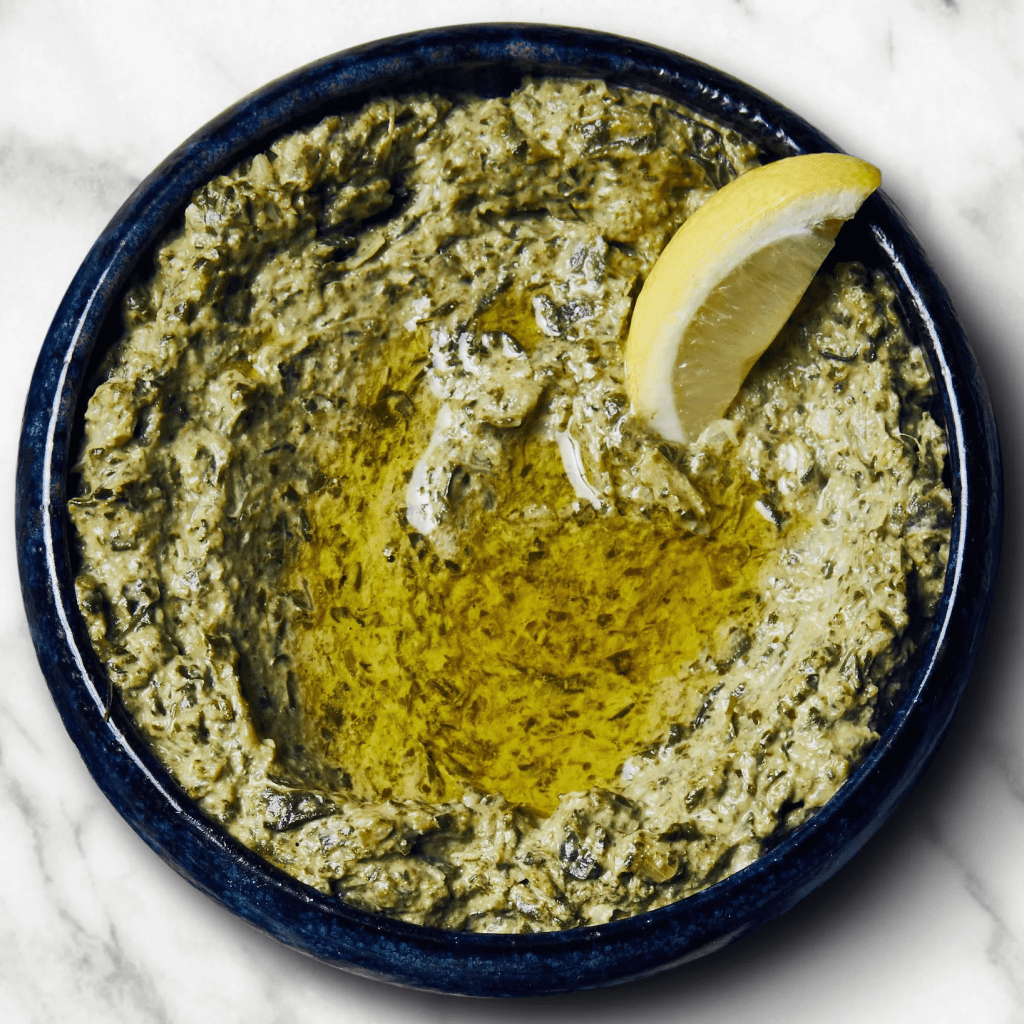
Swiss chard can be used just like other dark leafy greens such as spinach, kale, or even beet greens. When I want to change things up, I like to make this Swiss Chard- Tahini dip. It’s bright and fresh. Perfect as a spread on sandwiches, or as a dip for all those delicious summer veggies.
If you’ve been feeling like it’s too hot to cook, but you’re sick of the same salads over and over, check out this Curry Green Salad. It has minimal ingredients, but so much flavor. The recipe calls for romaine, but the lettuce in your box this week would also be perfect for this. Try adding chicken, shrimp, or grilled tofu to this to make it even more filling.
What a wild week it has been! When you’re farming, experience is a huge advantage. Throughout the years, you see a lot of things and learn a lot as well. However, experience can only get you so far. You also have to be curious and willing to learn.
The last few weeks we have been finding lots of funky things happening around the farm. Nature is so cool! Whenever we find something abnormal, we have to act fast. It’s important to do research right away to figure out if the abnormality is something that we can live with, or if it’s due to an insect or disease that we need to get rid of immediately before it spreads and creates a much larger issue. Thankfully most of the abnormalities we’ve been finding have been do to genetics or environmental factors. You know, all the stuff we want to control, but don’t yet have the superpowers to do so.
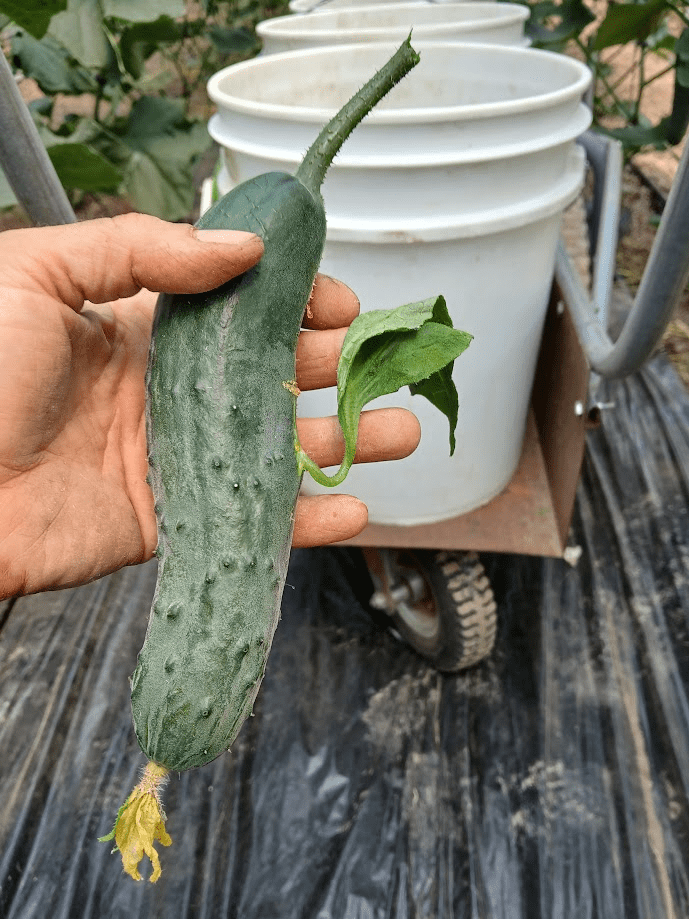
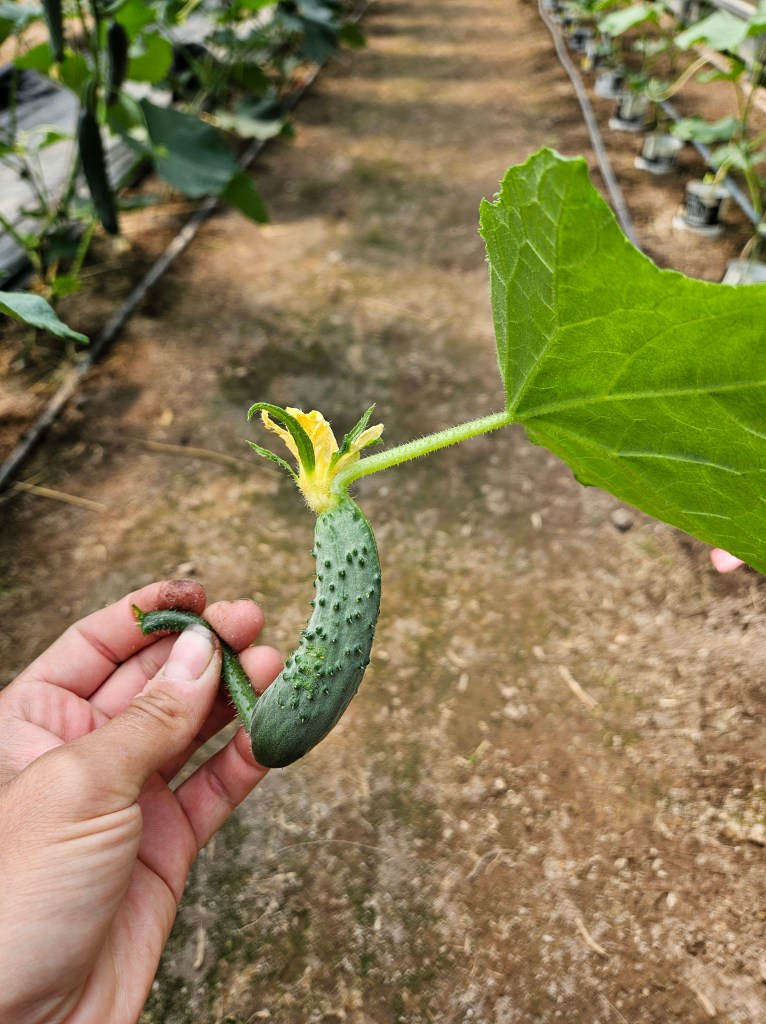
Our greenhouse cucumbers have been the source of most abnormalities. We’ve been finding fruit that has leaves growing out of it, tendrils that are trying to grow new plants, and baby fruit that is growing new branches out of the flowers. It looks crazy, but from the research we’ve done, it appears to be harmless. Google and our University extension expert, both tell us that this can happen when the plant goes through sudden temperature fluctuations. Over the last few weeks, we’ve had a few times where we go from 80° and sunny to 60° and cloudy in less than 24 hours. That large temperature change causes a lot of stress to the plants just like it does to humans. Vegetables tend to like consistency. Temps that stay the same, and watering that happens regularly and in the same amount each time. Unfortunately, we can’t control the weather (boy do we wish we could), so we just laugh about our freaky finds and keep harvesting away.
The other abnormality we noticed was that two of our onions have variegated tops. Normally onion tops are solid green, but two of the plants have green and yellow striped tops. This is due to a genetic disease called chimera. This is when the plants genetics cause it to produce chlorophyll incorrectly. Another weird thing that is completely harmless, yet something else that is entirely out of our control.
This finding caused a little more panic than the cucumbers. Usually, yellowing on a plant points almost immediately to a disease or virus. We plant hundreds of onions, and rely on them to get us all the way to the end of Winter shares in April. One disease or virus could be catastrophic for us. Thankfully it seems like we’ll be okay, but we’ll still be keeping a close eye on the onions just to be sure.
Fortunately (or unfortunately) for all of you, none of these crazy vegetables will make their way into your boxes this summer. These stay at the farm so they can be fully inspected, and sometimes sampled, to see if further knowledge about the issues can be gained. The upshot of this story is that here at the Food Farm we aren’t perfect, but we promise to never stop learning and growing. I hope you all find ways this week to stay a little wild and weird just like the vegetables!
Quinoa or grain salads are one of my favorite ways to eat veggies in the summer. They’re great fresh, but also delicious as leftovers once all the flavors have had even longer to marinate together. This Roasted Cauliflower Quinoa Salad is a great way to use up lots of veggies in this weeks share. This recipe calls for frozen peas, but if you wanted to use the sugar snap peas from your box, that would also be delicious. No need to shell them, just chop them up into bite size pieces, and continue on with the recipe as it’s written.
When basil season comes around, most people think of pesto. I immediately think of this Basil Raspberry Tea. With raspberries starting to ripen, this is such a fun and delicious drink to have on hand. It’s so refreshing after a hot day, and it’s easy to make ahead for those Summer get togethers, or just as a fun way to toast to the weekend. The recipe has both a cocktail and mocktail version so there’s something for everyone.
We are directly in the middle of July, yet last week, quite a few conversations were being had about harvest season.
The conversations mostly started because more pallet boxes, and our new harvesting conveyor arrived. The crew is excited to put both of these to use…but not for a while. We’re all enjoying the warmth and sunshine before the snow and cold inevitably arrive.
Harvest conversations are a high priority at this time of year because Fall weather is so unpredictable around here. The math has been done over the years to figure out that most plants need to be mature by September 15th in order to have a bountiful fall harvest. The plants will still do a little growing after this date, but it will be minimal and much slower than any growth it would do between now and September. After mid-September, the sun loses a lot of its strength, and daylight starts to decrease quickly. The risk of snow and frost also increases as each day passes.
This means, from here on out, we can only grow crops that are 60 days to maturity or less. The planting window for a lot of the crops we grow has officially closed. We are hoping to still seed some radishes, lettuce, and maybe radicchio but planting season is pretty much complete.
It’s also important at this time of year to consider if a crop can tolerate frost or not. Zucchini and summer squash tend to have 60 days or less to maturity, but those plants don’t survive very long in temps consistently below 50°, whereas radishes and lettuce do best when grown in cooler weather and can handle a light frost. If the weather is too hot, radishes have a tendency to skip growing the radish root that we eat, and go straight to growing flowers and seed pods. If they do happen to grow a radish, the root can go from decent sized to massive and woody very quickly. Not ideal! Lettuce stays sweeter and more tender in cooler weather. At the peak of summer, lettuce can sometimes become bitter from the heat.
Thanks to our greenhouses, we can sometimes grow vegetables with a longer maturity. These vegetables take quite a bit of planning. At the end of June, we seeded celery. The intent is to plant it this week in one of our greenhouses, and keep it there until our first Winter CSA boxes go out in November. Celery usually takes about 100 to reach maturity. In the field, the celery wouldn’t size up in time, and the cold weather of October could damage the plant, even though it can survive light frosts. The extra heat and protection from the greenhouse will allow us to keep the celery fresh and beautiful until November.
Feels crazy to talk about frost and the end of the season when we are just beginning to harvest cucumbers, and all of our tomatoes are still green. Thus is farming!
Our lovely volunteer Patricia shared this recipe with me. It’s so good I had to share it with all of you. It’s a Broccoli salad recipe from Love & Lemons. This salad is sweet, smoky, crunch, and a little tangy. It’s perfect for this hot weather that we’re having. It would be great to accompany a main meal, as a light lunch, or top it with some grilled chicken or shrimp to make it a more filling meal.
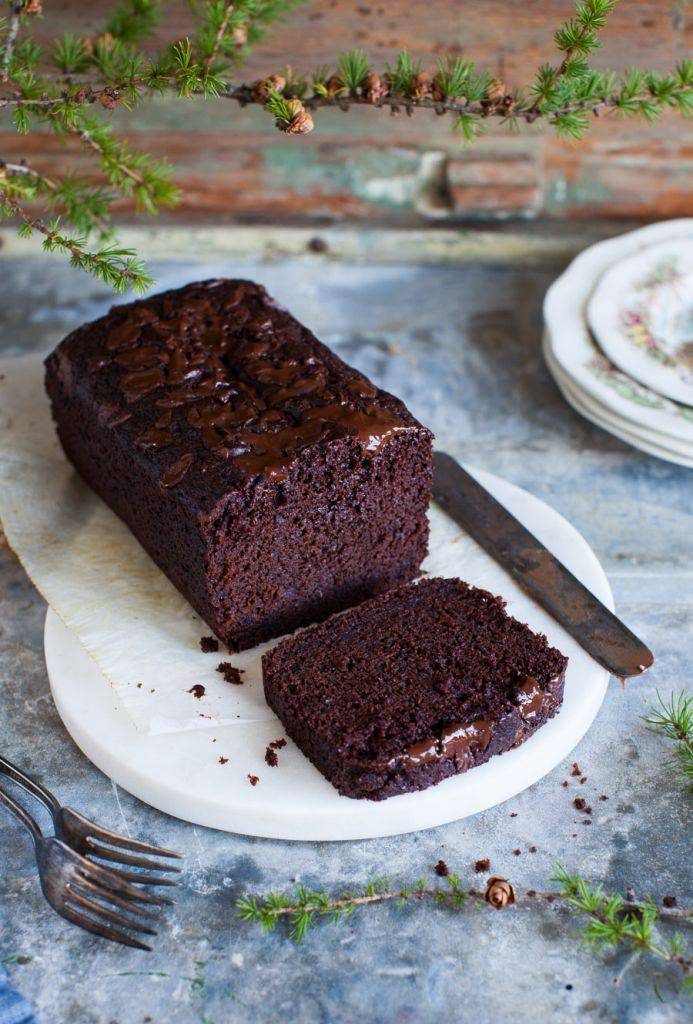
I love beets, but every year I get tired of making the same recipes over and over again. Whenever I hit the beet slump, I pull out this recipe for a delicious chocolate cake. The beets and dark chocolate help to make this cake not overly sweet. The chocolate hides the beet color and most of the flavor, so even people who aren’t fans of beets will never know they’re hiding in there.
Last week we focused on beautifying the farm. Around here, that means weeding, weeding, and more weeding. The rain recently was nice for the crops, but it also triggered a lot of weed growth. Plants appear happier and healthier after a thunderstorm because lightening acts as a natural fertilizer. The heat from lightening breaks down atmospheric nitrogen, which then mixes with the oxygen in the air to form nitrates. The nitrates are then dissolved in the rain water, and arrive to your plants and soil in the form of rain drops. This amount of nitrogen from a thunderstorm is so small compared to the amount plants need to be happy and healthy, but it’s more nitrogen than plants receive from a standard watering. We’ll call that a win!
It’s important we get rid of the weeds as soon as possible. Not only are they unsightly, they also steal moisture and important nutrients from the crop, and they’re much easier to kill when they are small.
Thankfully our crew worked extra hard through the heat, and got all the plants back in tip top shape. All the fields have been hoed, the greenhouses have been weeded and pruned, and some fields even got flame weeded.
The crew taking a well deserved ice coffee break
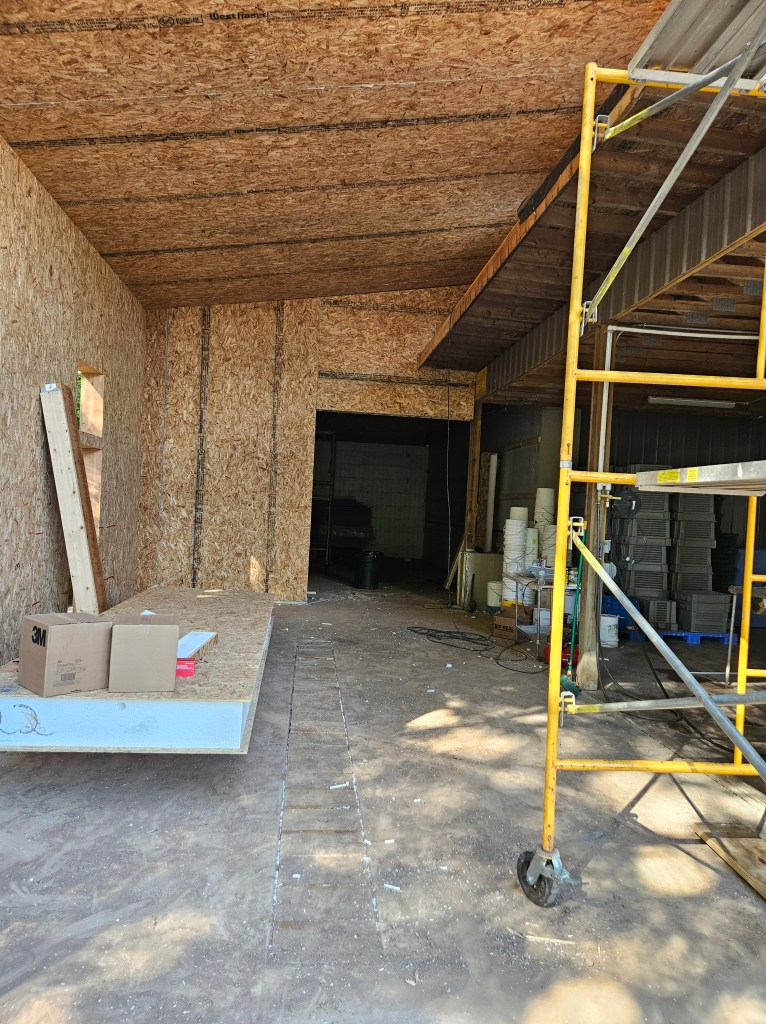
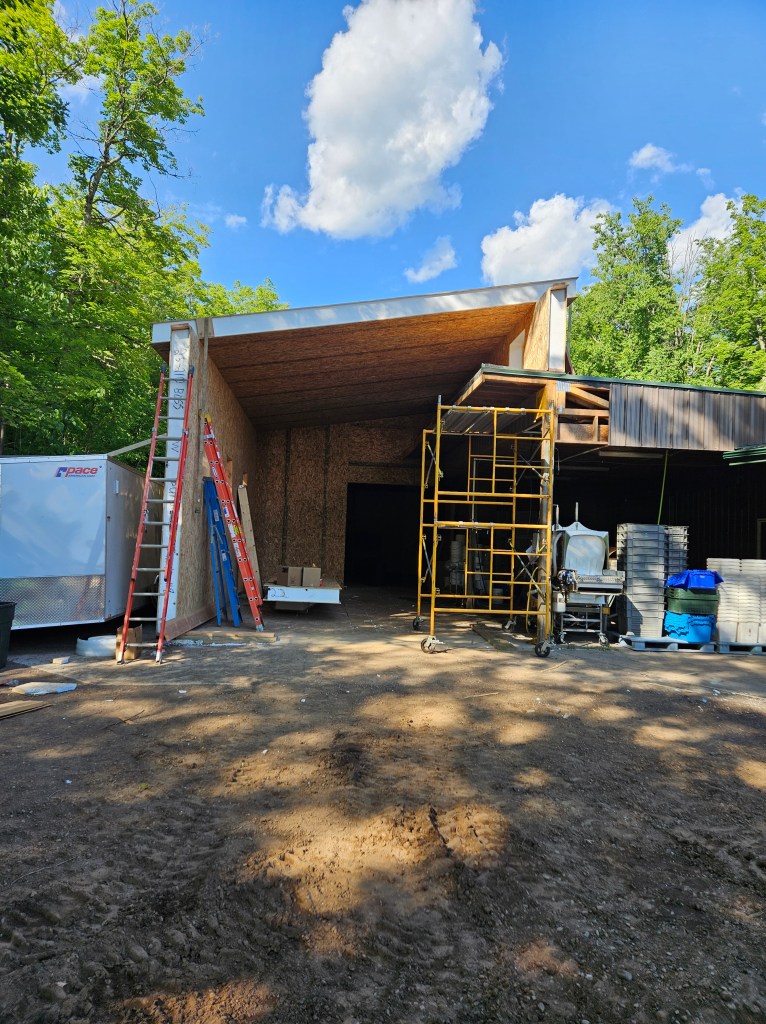
The other exciting thing that happened last week was (drum roll please)…. our pack shed addition got walls and a roof! We are so excited to start seeing this expansion really take shape. You can now see where the new cooler will be, and all the extra space the crew will have. On retail and CSA boxing days, the crew is frequently bumping into each other due to tight corners. Soon we will have so much room to spread out.
Our hope is to use the new cooler to store our cucumbers and zucchini in the summer once they’ve been harvested. These two vegetables are very sensitive to the ethylene gas that other fruits and veggies give off, especially the melons. Having their own space will help to maintain the quality of the vegetables, while offering more space in our main coolers for other vegetables to be stored. We can’t wait to keep sharing construction progress with all of you!
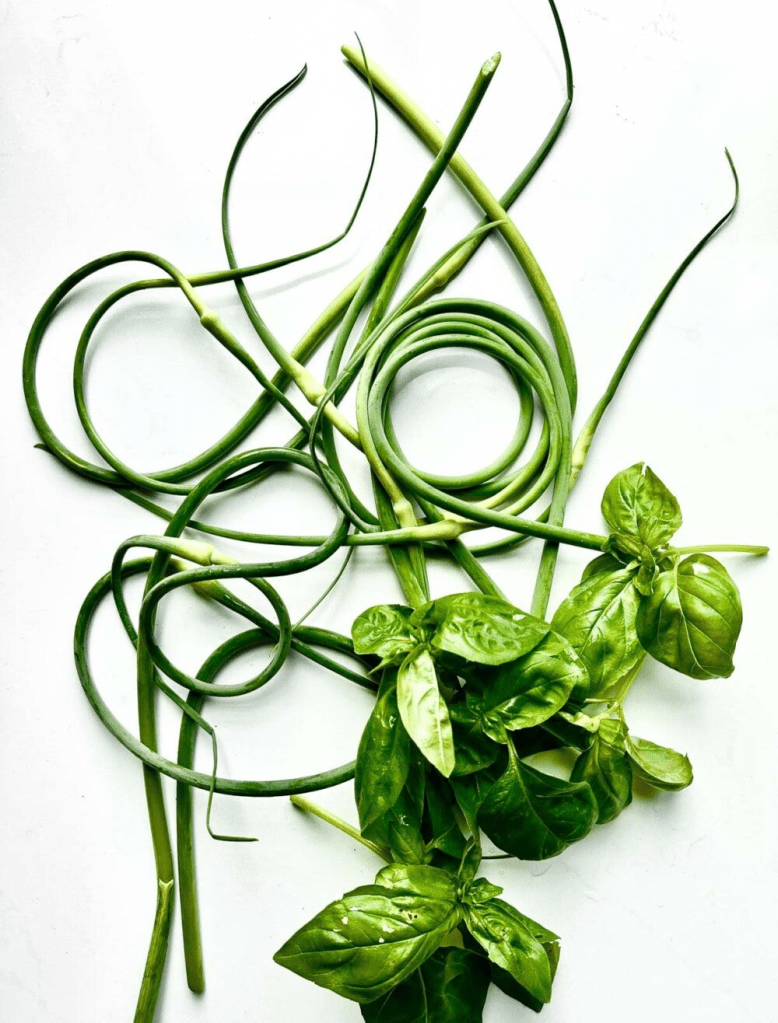
This week, we are reintroducing an exciting veggie, the garlic scape. Garlic scapes grow from the center of the garlic bulb. If you’ve ever opened a bulb of garlic and noticed the hard stem that’s directly in the center of it, that’s where the garlic scape came from. It’s this funny looking little curl that pops up, and would eventually create a flower. If we want our garlic to keep growing big, beautiful bulbs, we have to remove the scape. If it gets left on the plant, the garlic will put a lot of its energy into trying to grow a big flower rather than a big bulb of garlic like we want. These scapes may seem intimidating at first, but I promise you they are delicious. You can chop them up and use them in place of any recipe that calls for garlic. The scapes have slightly milder flavor, so a good ratio would be 3 scapes for every one clove of garlic. I’ve attached some fun recipes down below, so happy scape season and happy cooking!
In you share this week:
Garlic Scapes – Broccoli – Carrots – Kale – Lettuce – Green Onions – Parsley
I love this recipe collection from Heartbeet Kitchen. People usually hear about making pesto with scapes. It’s a delicious idea, but sometimes you want to try something new. This collection lists 11 wonderful recipes (including a pesto) for you to test out the scapes. #11 even includes a parsley butter. Check that one out if you aren’t sure how to use up all the parsley in your box this week.
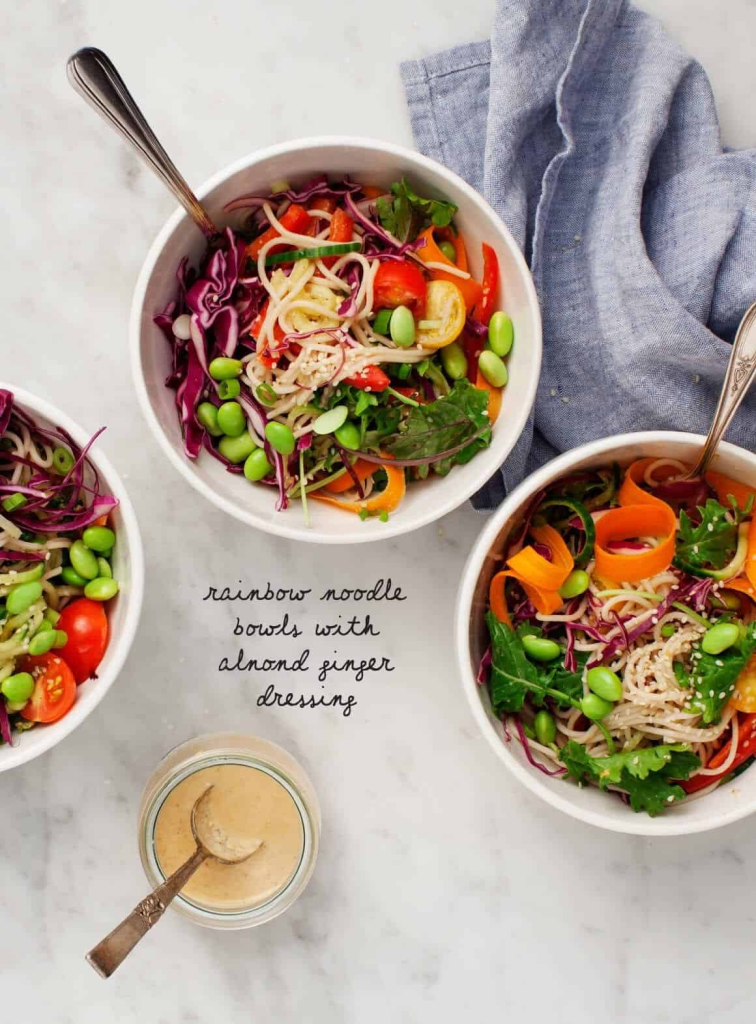
These rainbow bowls from Love & Lemons are a beautiful way to use this weeks produce. The kale, carrots, and green onions would be wonderful in this bowl. If you still have pac choi or napa cabbage leftover from last week, both of those would be great additions to this. This is an easy recipe to keep throughout the season as it will work well with a lot of vegetables we will be sending you.
Happy 4th week…in more ways than one. We’ve reached week 4 of our Summer CSA just in time for the Fourth of July.
Last week was spent wrapping up projects, and checking things off our to-do list. Two weeks ago, we started mulching the onions, and removing row cover from our brassicas. Last week we had just enough dry days to complete both of these big projects. We also got another round of lettuce, broccoli, cauliflower, kale, zucchini, and green beans planted.
Our greenhouses are quickly being emptied of cold weather loving crops such as spinach, greens mix, and lettuce. Just as quickly, they’re being filled back up with warm weather crops such as cucumbers, basil, and pole beans.
Catherine sneaking in another round of green bean planting before the rain starts again
With all the colder than normal days we’ve had recently, quite a few of our Summer crops seem to be growing very slowly this year. The melon vines are still tiny. The tomato plants have some fruit, but none of it has thought about turning red yet. Our pepper plants are still small, but appear to be thinking about producing their first flowers. Hopefully the warm week ahead will get everything growing like crazy.
After lots of days of rain, the weeds are going like crazy and we are looking at a big week of hoeing and weeding to keep the crops from being smothered, especially the plants that were being kept warm under the row cover. Don’t worry, we’ll have the farm looking its very best by the end of the week.
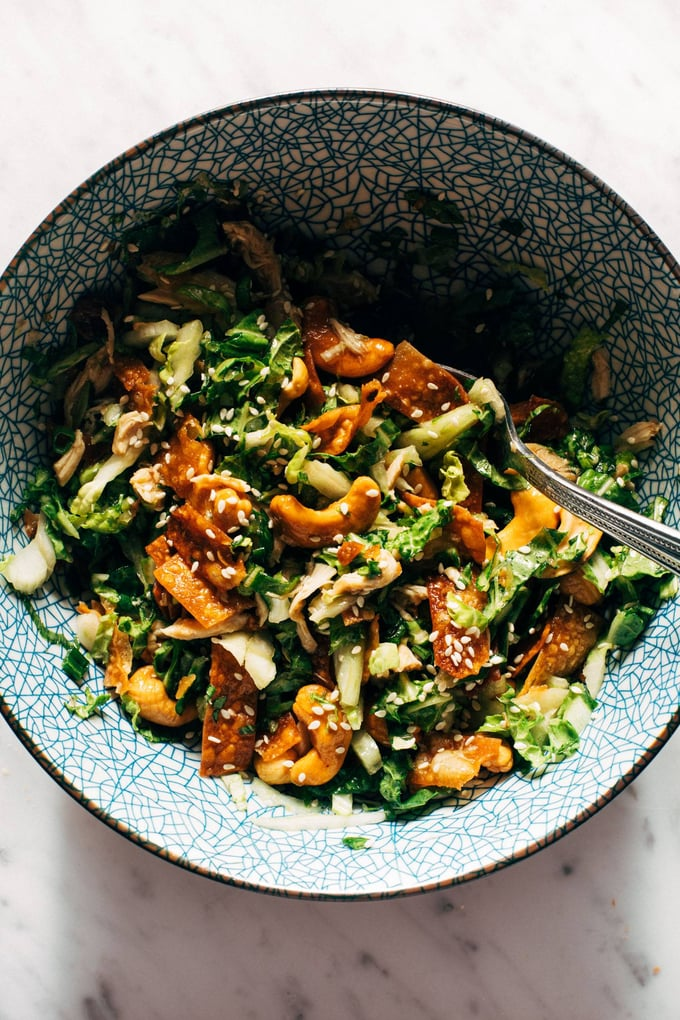
This Napa Chicken Salad recipe is the perfect way to use your napa cabbage. It’s light, flavorful, and so easy to put together. It would be great for lunches, a light dinner on a hot day, or a wonderful addition to a summer BBQ. If you want to get really adventurous with what’s in your box this week, try making this recipe with half napa cabbage and half pac choi.
Broccoli is a staple vegetable in our household, but every once in a while I need a recipe that shakes it up and gets me more excited about broccoli again. For me, that’s this recipe for Vegan Crispy BBQ Broccoli Tacos. Does it sound like the craziest combination possible? Absolutely! Is it also somehow amazingly delicious? YES!!! This week is the perfect week to try these tacos out. Use your napa cabbage or pac choi in place of the cabbage in the recipe. Try adding sliced, raw carrots and green onions for a fresh and crunchy addition.
Happy Summer! Summer solstice usually marks the time on the farm where our daily to-do list becomes longer than the amount of daylight. Our crew was hard at work this week trying their best to accomplish as much as they could.
The beginning of the week was spent weeding and hoeing our way through the farm. The crops love when it rains…but so do the weeds which means we have to report for weed removal as soon as we can. This is also a great opportunity to check in on some of our more low maintenance crops such as onions, peas, chard, and leeks. The occasional visit to weed is the only time the crew really sees these crops between the time they’re planted, and the time they’re harvested. We don’t have to keep a close eye on them for pests or common diseases. Janaki on the other hand is always keeping a close eye on them for irrigation needs, less common diseases, and any abnormalities that might arise.
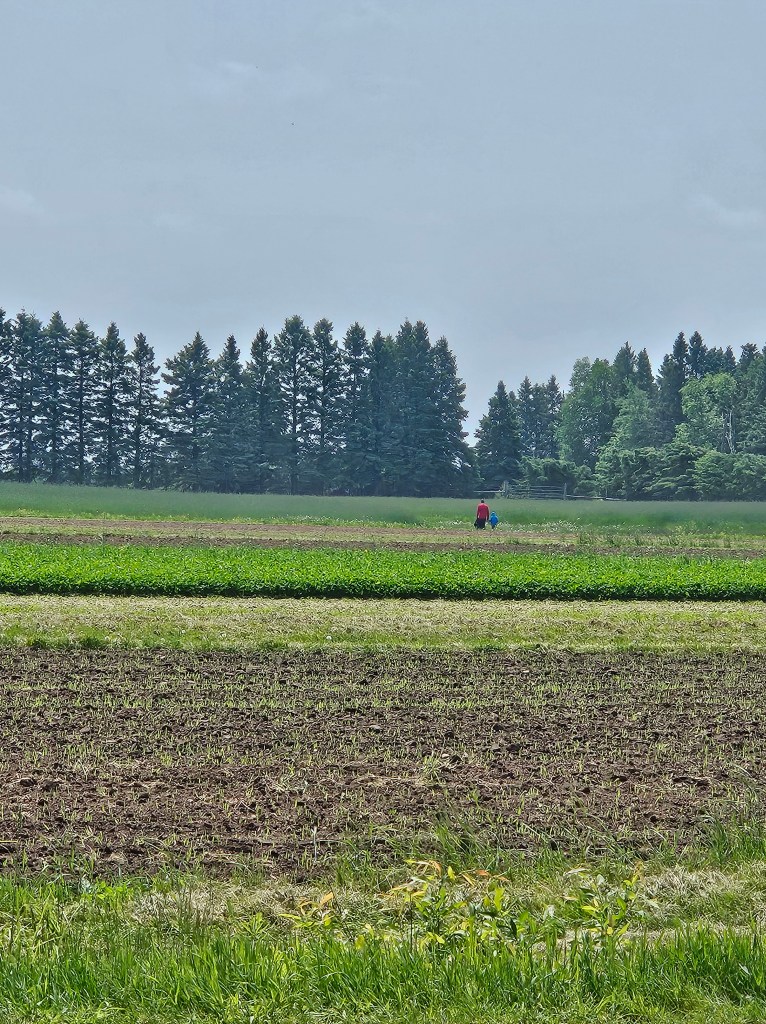
Janaki and Ellis taking a stroll to check on the crops
Wednesday was a big day on the farm. Thanks to a grant we received, the farm purchased a new rinse conveyor. Cue the oohs and aahs because this is a big deal for the farm! The rinse conveyor will serve as a multi purpose machine for both box washing and vegetable washing. Until now, every green top root vegetable (turnips, radishes, greenhouse beets, etc.) has been delicately cleaned by hand. This has added an extra layer of love to the vegetables in your share, but we can’t deny that this is also incredibly time consuming. We used to spray off each vegetable with a garden hose, attempting to use enough pressure to remove the dirt, but not enough pressure to damage the greens. Now do that over and over again for all 249 shares. We were ready for this change!
The new rinse conveyor is just what the name entails, it’s a giant conveyor belt that rinses things. Boxes or vegetables are placed on the conveyor belt. They then enter the machine where water shoots up from the bottom, while sprayer arms on the top of the machine simultaneously spin and shoot water down, cleaning the boxes or vegetables from all angles. There are multiple sprayer arms, so the items get cleaned and rinsed a few times as they ride the conveyor belt.
A few of the cool features that lead to the farm purchasing this machine: It allows us to adjust the conveyor speed, we can change the water pressure depending on the item we are trying to clean, the sprayer arms are adjustable allowing for us to use the machine with our largest delivery totes, and it has a sanitizer hook up for an all in one process. This means that we can adjust the settings to be delicate enough to not damage the greens on your turnips, but we can increase the speeds and pressure to clean all the corners of the CSA boxes, all in one machine. No need for multiple machines or tanks taking up space in our packing shed.
Janaki giving the crew a tutorial on the new rinse conveyor
On Wednesday, the crew got a tutorial on how the machine works, and got to test it out to clean the CSA boxes before Thursday’s delivery. Don’t worry Monday members, your boxes were also cleaned, just using a different system. The new rinse conveyor allows us to continuously load box after box onto the conveyor belt. It then enters the machine where high pressure streams of water hit the box from all angles ensuring a squeaky clean box pops out the other end. When we washed boxes using our old system, it would take about 40 minutes to clean them all. On Wednesday, it took 7 minutes. 7!!!!! That means more time for our crew to complete other tasks on the farm, and so much less water being used. Just another way the farm is striving to be the most efficient and sustainable it can be.
The rest of the week was spent getting everything secured before the storms on Friday night, and preparing for the heat wave over the weekend. This meant getting the caterpillar tunnel plastic on and secured, stabilizing greenhouse cucumbers, removing lower leaves on greenhouse tomatoes to promote airflow, and removing row cover from the brassicas so as not to cook the vegetables under the fabric. It was a busy but exciting week. This week is going to be spent spreading mulch. I can’t wait to tell you all about it!
This week we are sending lots of vegetables with the greens still attached. If you didn’t know, we keep them on not just for looks, but because they’re all edible and have very unique flavors. If you don’t know how to cook with them, or if you are just looking for some new ideas that aren’t a pesto, check out this recipe collection by Food 52. They break it down into recipes for beet greens, carrot greens, radish greens, and turnip greens, so keep scrolling until you find a recipe that piques your interest.
The lovely Lynn, who has been a long term Food Farm member, put together a very helpful video on how to wash and store your vegetables when you get them. I just received this and wanted to pass it along right away to all of you. Lynn showcases some different vegetables than you are getting this week, but it is incredibly helpful to give you some basic ideas. Lynn also talks about storing some vegetables you will be getting in the next few weeks and throughout the season, so be sure to bookmark this for future reference. If you’ve already seen it, or feel like you already know what to do, take a look at it just for the cute appearance of Maeve!

















 Food Farm