The snow has begun melting, the birds and critters are coming out of the winter hiding places, and the greenhouses are heating back up.
We loved getting to see so many of you at our rutabaga giveaway last month! Thanks to the wonderful turn out, and lots of new faces, we are getting closer to selling out our 2026 summer shares. If you or someone you know has been thinking about getting a share, make sure you sign up soon before they’re sold out.
The winter crew has been hard at work in the packing shed. They’re boxing up orders for our wholesale partners, local food hubs, and our wonderful members. Each week the coolers seem to get a little bit emptier as we finish off pallet boxes of produce. This is the time of year where we are taking weekly inventory of what we have left in storage. This allows us to make sure we have enough veggies to send to our wholesale partners, and to our members.
Last week marked the first seeding of the 2026 season. Last week, we seeded all of our shallots. Today, half of the onions will be seeded. Next week, the other half will be seeded. Most home gardeners seed all of their onions at the same time, no problem. On the farm, we start so many onions and shallots, that we have to split it up into three different weeks because our germination chambers aren’t big enough for all the trays at once. Our largest germination chamber can hold 70 trays, and our smaller chamber can hold 10 trays. We plan to seed over 200 total trays of onions and shallots. In case you were curious, that means over 800 seeds will be started by the end of our three weeks. That’s a lot of onions and shallots!
Catherine also seeded greens mix, and woke up the spinach we had been overwintering. If everything goes as planned, these two greens will appear in your final box next month! The green houses are really heating up and filling up. It’s a beautiful and exciting time of the year.
In your share this month:
Rutabaga – Red Cabbage – French Fingerling Potatoes – Baby Red Potatoes – Russet Potatoes – Onions – Orange and Purple Carrots – Chioggia Beets – Parsnips
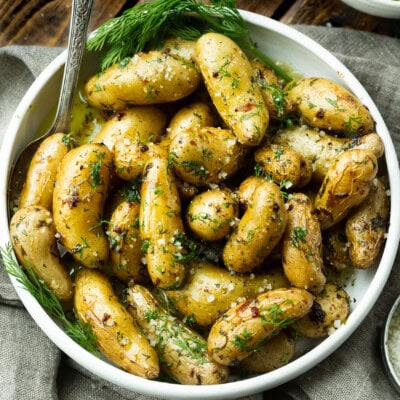
This recipe for Braised Garlic Dill Fingerlings is one of my favorite Spring recipes. The potatoes offer the comfort of slower days, while the bright flavor of dill reminds us that warmer days are just around the corner. This is also such a versatile side dish. It’s great with steak, fish, chicken, or meatloaf.
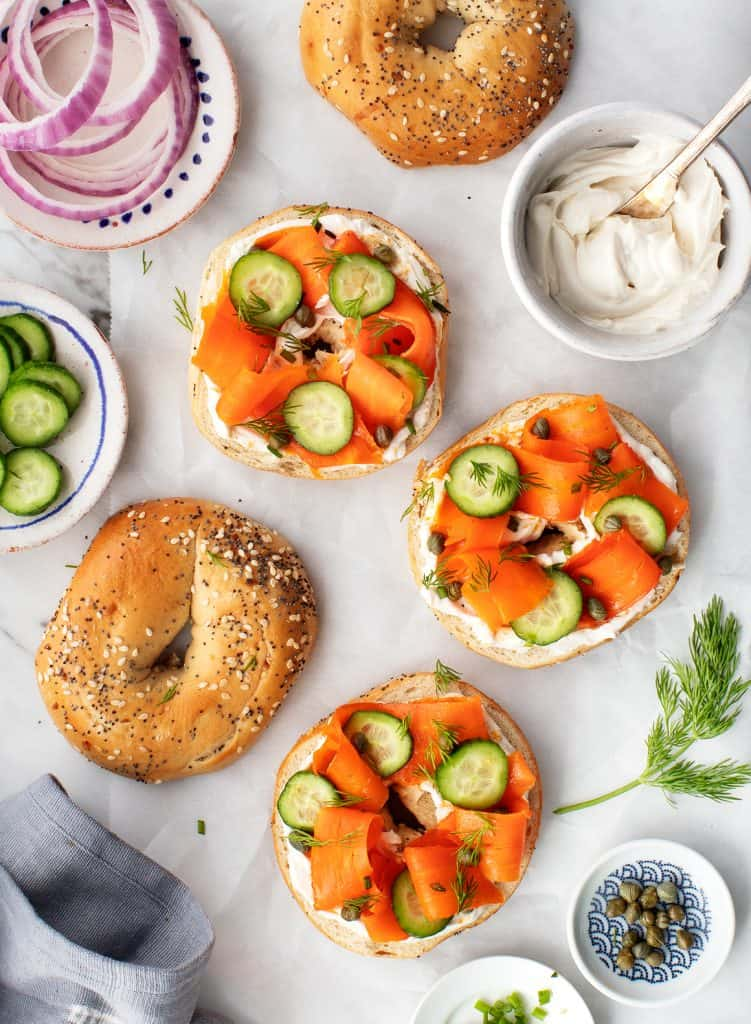
Most people barely make it through their first week before all the carrots are gone. If you’re someone who eats their carrots a little slower, or doesn’t know what to do with them, check out this recipe for Carrot Lox. It’s perfect to add to a sandwich, put on top of a bagel, or add to a snack plate. There are so many creative ways to use this recipe!
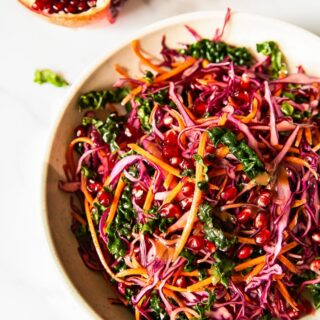
If you’re looking for a colorful and crunchy salad, try this cabbage and kale Winter salad. It has so much color making it look stunning on a plate. It’s bright from the pomegranate, and the lemon Dijon dressing. It pairs well with just about any protein you can think of. My favorites are pork, chicken, shrimp, tofu, or topping with a handful of walnuts or cashews.
Oh boy do we have big things happening in February!
The first is our much loved and long awaited Rutabaga Giveaway! It’s happening on Wednesday, February 18th from 4-7pm. This is a fun, annual event we put on at the Denfeld Whole Foods Co-op. It’s a time for our members, friends, and general veggie lovers to come by the Co-op and say hi to Farmer Janaki and his family. (Also, you get a free rutabaga!) You’re welcome to bring friends or neighbors who are interested in the farm because we’re opening things up to new shareholders this week (here’s the link to sign up for shares if you want to pass it along)! We love getting to put faces to the names we see each month, so we hope you can join us.
The second is not something we’re doing, but rather something mother nature is doing for all of us. As of today, February 9th, we will get 10 hours of sunlight! Unfortunately, mother nature also likes to play tricks on us, so she chose to make today cloudy, but we all know in our hearts that the sunshine is there. Warmer weather and more sun are on the way.
Also coming very soon, and arguably the most exciting thing of all, is that in less than a month, the first seeds of the season will be started! *cue the happy dance and excited screams* The first week of March marks the start of the 2026 growing season with onion seeds being started. Our new greenhouse manager Catherine (plus her trusty sidekicks Jennifer and Teri) have a lot of work to do to get the greenhouse cleaned up and ready for the growing season. This means getting the bags of soil thawed out, cleaning out the wood stove we use to heat the greenhouse, and getting our seeding plan in place to make sure we know exactly what seeds we are starting and when.
There are many other things happening on and off the farm right now. The winter crew has been hard at work washing all of the carrot boxes that we stored last fall. Once we have all of them washed, we will be able to close down our new cooler for the season so we can begin cleaning it to get it ready for summer. Thanks to the warm weather, Janaki has been able to start tackling some outside projects in-between his office work.
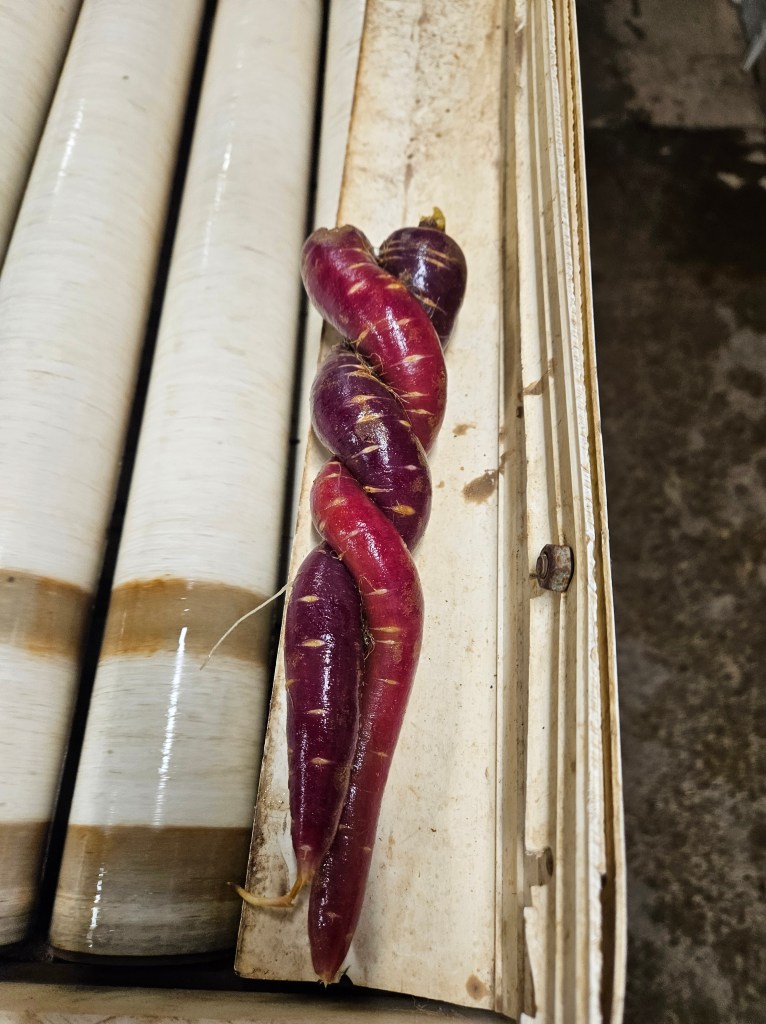
My favorite part of carrot washing is finding all the beautiful carrots
February is also conference season in the agriculture world. Some of our crew members will be busy traveling around to different conferences where they will listen to other farmers present on various topics. Janaki got to present two weeks ago at a conference in Madison where they talked about alternative root vegetables. He shared about how the farm grows parsnips. People got to learn everything from the seeds he selects, how they are germinated, when and how they get planted, how we harvest them, and how they get stored. Other presenters in that session shared about storage radishes and rutabagas. Conferences always give us new ideas, and fuel us with motivation to make the next season our best one yet.
In your share this month:
Delicata Squash – Yellow and Red Potatoes – Yellow and Red Onions – Purple and Orange Carrots – Beets – Parsnips – Green Cabbage – Garlic
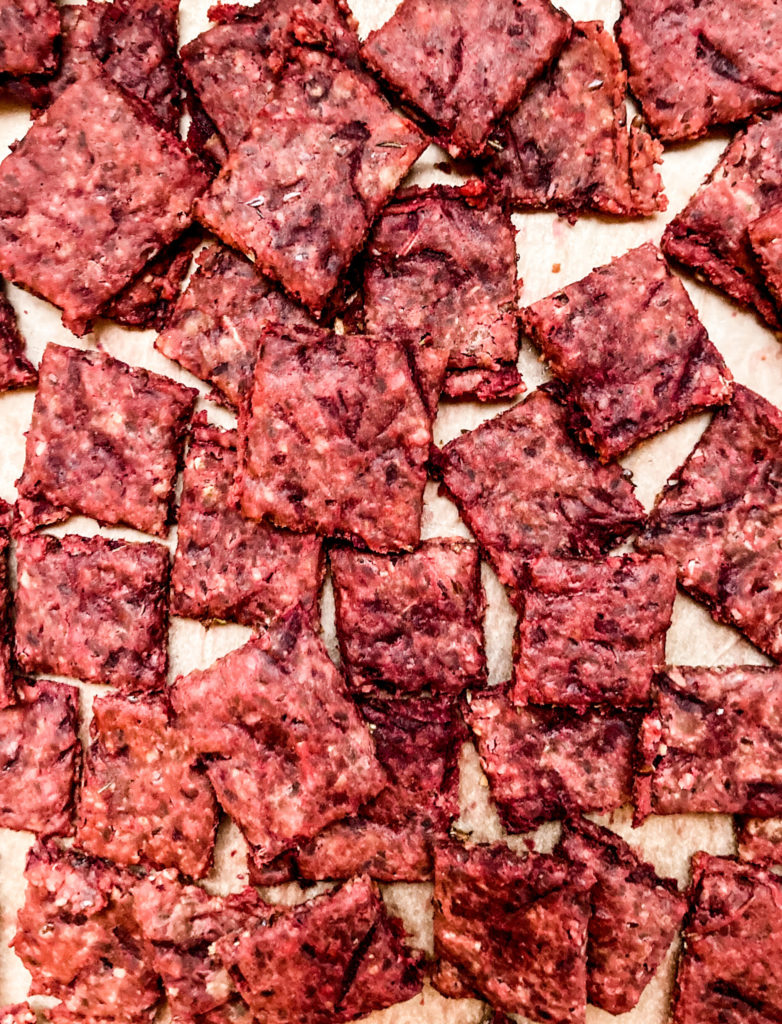
If you’re looking for a creative way to use up this month’s beets, check out this Beet and Buckwheat cracker recipe. I made these for the stunning color, but the flavor didn’t disappoint. My nieces loved “the pink crackers”, and they were a big hit at the dinner party I brought them to as well. Can’t get more crowd pleasing than that. They’re great with goat cheese, hummus, or all on their own. I made these a little thicker so they were easy for the little ones to eat, but if you like a really crispy cracker, you can make them thin. Experiment and have fun.
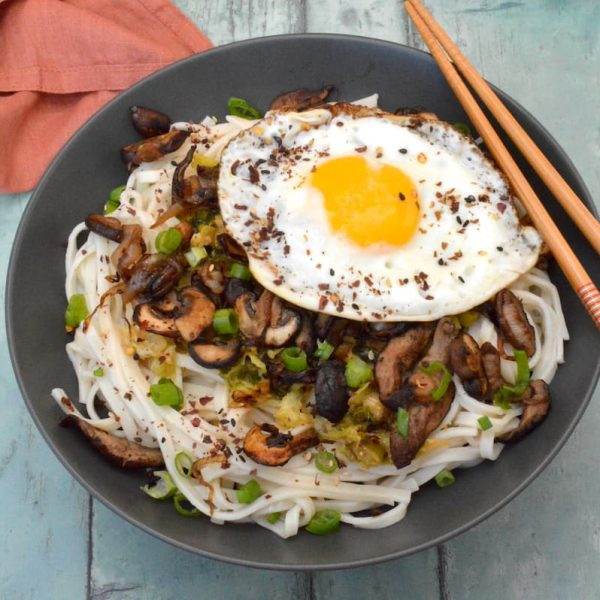
If you’re looking for a new way to use up your cabbage, check out these Miso Butter Noodles. I recently found this recipe when I was trying to find a new way to use up some miso paste I had in the fridge. It worked really well…until I started craving this recipe every few days and had to go buy more miso paste. It’s salty, creamy, earthy, and crunchy. So delicious! I made this plain the first time, but I’ve topped it with an egg, and mixed in ground pork for a more filling meal. It’s also great topped with a little chili crisp for a quick bit of heat.
If you’re staring to think spring, and dreaming about warm weather veggies, this Autumn Ratatouille recipe is the perfect way to use up winter veggies while still getting some summer flavor. This recipe calls for butternut squash, but your delicata will be delicious in it. I would suggest using yellow potatoes if you make this recipe. The red potatoes will work, but the yellow will be less starchy which will pair better with the other vegetables.
Happy New Year! We hope all of you had a wonderful holiday season, and 2026 is off to a good start.
On the farm, vegetable packing has slowed down a little now that the food holidays are over. This has given our winter crew some time to take inventory, clean up and organize the pack shed, and even spend a little time off the farm to enjoy the beautiful days we’ve been having. This month, the crew will start washing more carrots so we can continue selling them for the months to come. Back in the Fall, we washed about half of our carrots and stored the other half straight from the field. Thanks to the community’s love for our carrots, we have used up almost all our clean carrots so this week we’ll begin the process of sorting and washing the rest.
Janaki has also been very busy with a lot of behind the scenes work. Two weeks ago we ordered all of our seeds for 2026! It’s a lot of seeds, but we are so excited to try some new varieties and start planning for the growing season. January also marks budget season. Janaki has been hard at work creating a new budget for the upcoming year. This means using his crystal ball to predict both income and expenses for 2026. Part of planning the budget means planning a price and release date for 2026 shares. We don’t have an exact date yet, but keep an eye out because the site should be up and running for orders by the end of the month.
I recently read a quote by Josephine Neuse that says, “Anyone who thinks gardening begins in the Spring and ends in the Fall is missing the best part of the whole year; for gardening begins in January with the dream”. We are dreaming big over here on the farm, and we can’t wait to share all those dreams with you really soon!
In your share this month:
Orange and Purple Carrots – Onions – Beets – Parsnips – Rutabagas – Red and Russet Potatoes – Delicata and Winter Sweet or Tetsukabuto Squash
We know that rutabaga can be a controversial vegetable. People either love it or they hate it. If you’re someone who normally isn’t a fan of rutabaga, or just want a fun way to use this month’s rutabaga, check out this recipe for Swede (rutabaga) cake. I know this recipe might seem a little out there, but trust me, it’s really good! The flavors are very similar to a carrot cake. Lots of warming spices, a slight earthy flavor from the rutabaga, and an overall moist cake. If you want the flavor to really match a carrot cake, the recipe has an option to swap out the brown butter frosting for a traditional cream cheese frosting.
We hear from most of our members that many of their carrots rarely make it home before being eaten. If your carrots make it home, or you find yourself wanting a recipe that uses some parsnips, check out this Carrot, Parsnip, and Ginger soup. This soup is filled with ginger and cinnamon to warm you up on Winter’s coldest days. The coconut milk makes the soup extra creamy, and a little thicker. The sweetness of the carrots pairs well with the earthy flavor of the parsnips. If you want to get really wild, I’d suggest topping this soup with crushed nuts (peanuts, cashews, or pecans would all be great choices), toasted coconut, and/or some fresh cilantro.
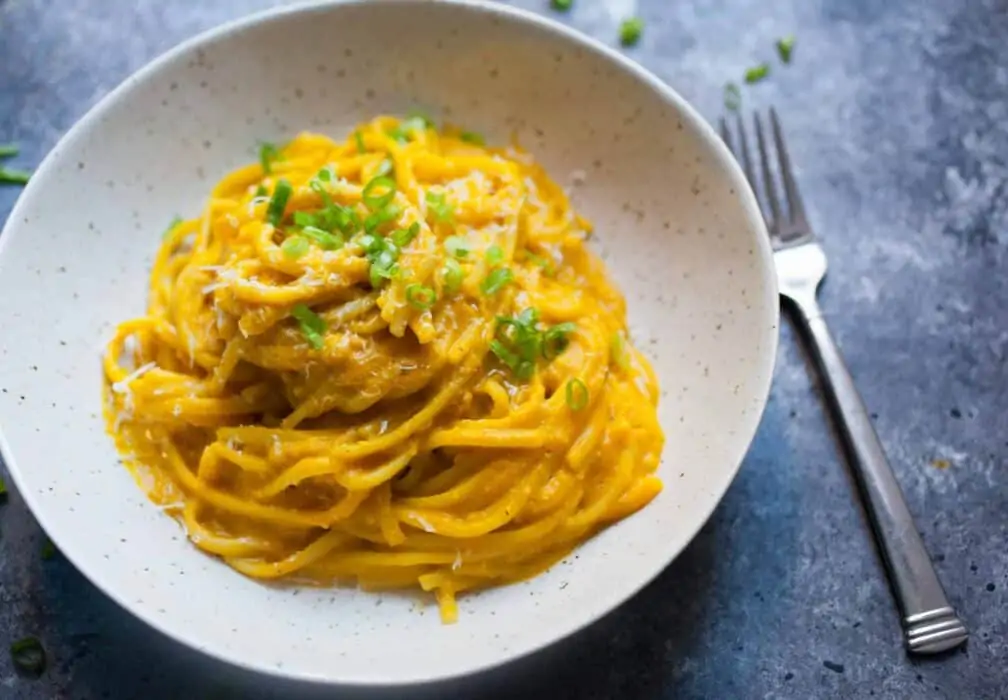
After the holidays when I’ve done a lot of cooking, I want an easy dinner that tastes delicious without all the hard work. This Creamy Squash Pasta is an easy dinner with minimal effort, but tons of flavor. The longest portion of this recipe is roasting the squash in the oven. If you want to make it even faster, you can look up ways to cook the squash in your microwave. This recipe calls for Kabocha squash (Winter Sweet and Tetsukabuto are both types of Kabocha), but your Delicata would be great in this recipe as well. If you use Delicata, I would suggest omitting the brown sugar since it is naturally very sweet.
Happy December! We have been busy over here on the farm (pretty sure I say that every newsletter, but it’s always true). Our small but mighty crew made it through packing and delivering vegetables to our many wholesale partners for Thanksgiving. That was a busy few weeks.
As soon as that wrapped up, they jumped into packing boxes of veggies for local farmer’s market hubs, and community food box distributions. We love expanding outside of our usual wholesale locations, to put delicious veggies on other people’s plates.
The end of the year is filled with lots of veggie packing to keep shelves stocked during all of the food centered holidays. It’s also a time filled with meetings, endless to-do lists, and trying to get all of our ducks back in a row. October and November get so busy with harvesting, that there isn’t time for anything else. We always say, “that’s a job for December”. However, that means we have A LOT to get done this month. We needed to take inventory of all the vegetables we harvested to know what needs to be saved for CSA members, and what can be sold to wholesale partners. We never want to run out of veggies before our final box in April, but we also hate telling a grocery store they can have something and not being able to deliver because it needs to be saved for the CSA. Inventory lists help us to keep everything organized…as long as we keep track of the list.
Seed companies start sending out their catalogs and offering discounts this time of year. This means we’re having conversations about what vegetables/varieties worked, what didn’t, and what we want to test out for the coming year. If we like a variety and want to keep growing it, we have to know how much seed we have left from the current year, so we know how much to buy for next year. This means multiple hours spent weighing and taking inventory of all of our seed. For those of you who don’t know, it’s a lot of seeds.
In between all of that, we’re completing end of the year accounting tasks, planning for next summer’s CSA, continuing to box up and deliver veggies twice a week, and attempting to catch up on sleep. People think the winter time is a slow for farmers. There’s never a slow time, just busy in different ways.
In this month’s box:
Chioggia Beets – Sunshine and Delicata Squash – Green Cabbage – French Fingerling Potatoes – Russet Potatoes – Onions – Orange and Purple Carrots – Garlic
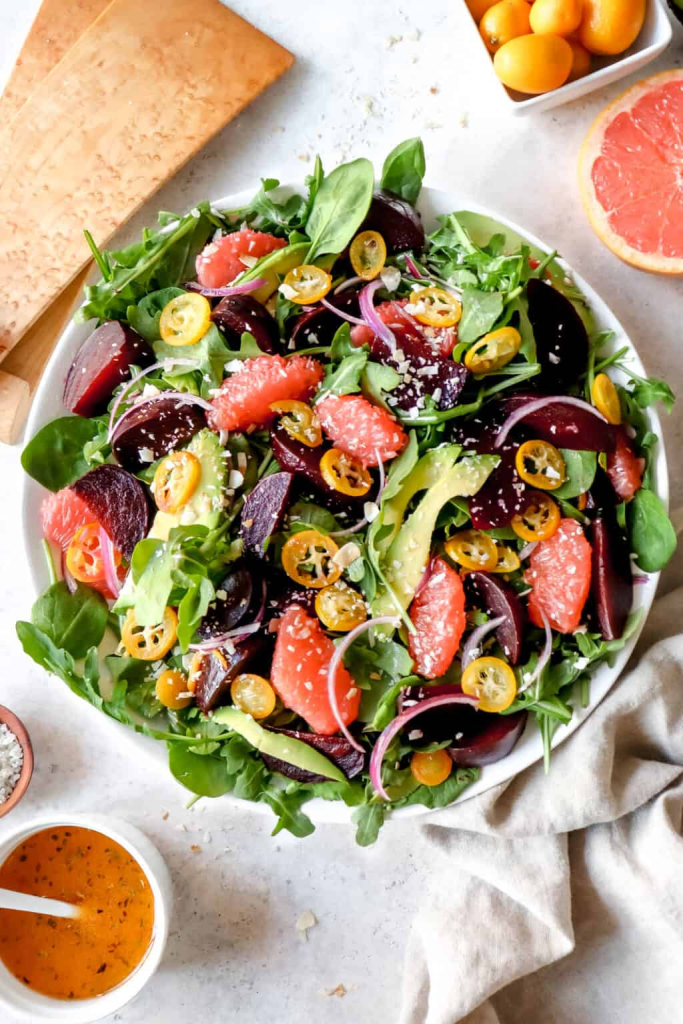
When winter arrives and peak citrus season hits, I make this salad almost weekly. It’s simple with very few ingredients, but it has so much flavor. The recipe calls for red beets, but the chioggia beets are perfect in this and very festive for winter time. This salad is also customizable. Try adding goat cheese, roasted pecans, or some salmon to add even more flavor.
These Fingerling potatoes are delicious any way you prepare them. They’re light, creamy, and oh so delicious. Most people keep it simple and roast them, or toss them with a mustard vinaigrette. If you’re looking for something a little different, check out this recipe for stuffed Fingerlings. It would make the perfect appetizer for your holiday, or a fun weekend breakfast.
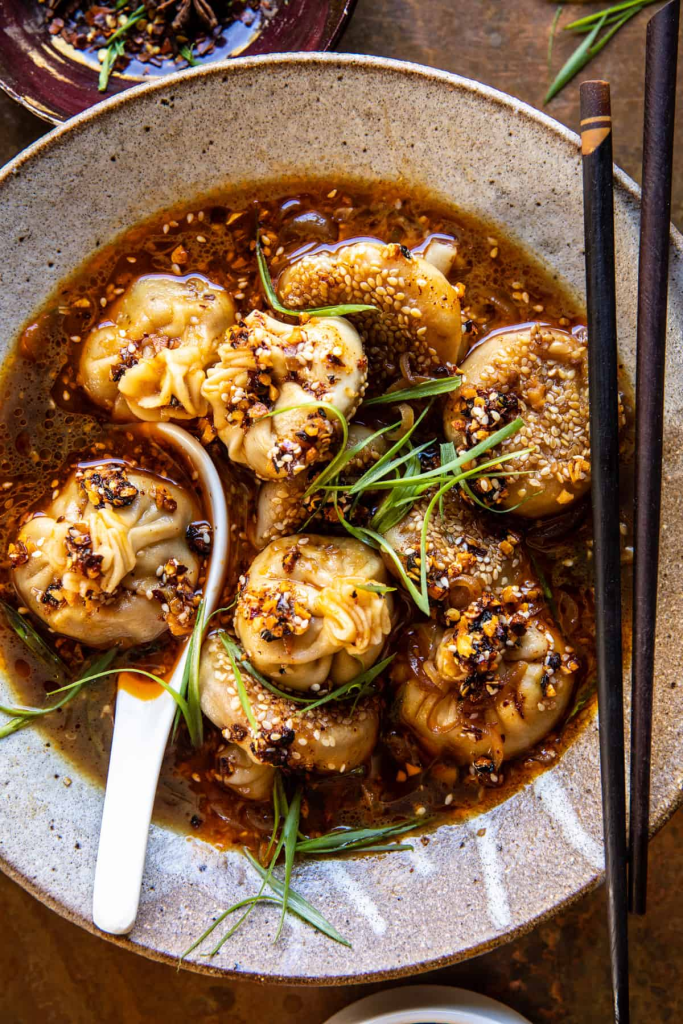
I usually roast up my squash and add it to vegetable curry. Recently I wanted something new and stumbled upon this squash dumpling recipe. I may never go back to eating squash any other way. The recipe calls for butternut squash, but both squashes in your box this month will be perfect for this recipe. They both have a sweet and nutty flavor that will help to cut the heat from the chili crisp, and bring out more of the umami flavor from the soy sauce.
Happy first Winter share! After getting the first snowflakes of the season over the weekend, today feels like the perfect day to begin winter shares.
Our Summer Shares ended in early October, and our crew has been moving and working non-stop ever since. When we finished the summer CSA, we were only about 70% done with harvesting. That meant over the last month the tractors and harvesters were running all day long. Pallet box after pallet box was filled with dirty vegetables that were then sorted, washed, and moved to a new box where they will stay for the next few months. Our hard working crew was bundled up, sore, and by the end of it, mostly surviving on coffee.
I am happy to report that as of last Friday, we are 100% done with harvesting! We got all of our vegetables out of the field, most of them are washed and stored for the winter, and we got 2026 garlic planted. It was a long and busy month, but it’s always so much fun. Starting in May, we plant all of the seeds, watch them sprout, weed them for days on end, and watch them very carefully week after week to make sure they’re growing and healthy. Finally after six months, we get to take a sigh of relief as the last rutabaga hits the pallet box, and enjoy all of the hard work that went into another amazing growing season.
This week we will mulch the garlic for its long winter nap, wash a few remaining boxes of veggies, get everything moved to its final storage spot for winter, close down the greenhouses, and tidy up a few final things. At the end of the week, we will have our farm party to celebrate our amazing crew and all their hard work. This party signifies the official end to our Summer season. We will say see you later to most of our Summer staff and starting next week, it will be three of our crew members keeping the farm moving and functioning through the winter.
We can’t wait to share all the fun we’ll have this winter!
In your share this month:
Celery – Brussels Sprouts – Arugula – Delicata and Kabocha Squash – Carrots – Onions – Red and Russet potatoes
Brussels sprouts are great roasted, shaved, or tossed in a salad. Sometimes, you just want to change things up and try something different. If that’s you, this recipe for Skillet nachos is for you. I know it sounds a little out there, but it’s such a fun dish to make. It’s salty, cheesy, a little tart from the cranberries, and all the delicious fall flavors everyone is searching for this time of year. The recipe calls for butternut squash, but either of the squashes in your box would be perfect for this.
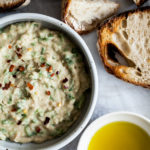
Arugula is a delicate green with so much flavor. It’s perfect in soups, sauces, pasta, turned into pesto, or added to sandwiches. Thanks to some warm days in October, this batch has a little more of a peppery bite than you might be used to. That additional bite makes it perfect to use in this White Bean and Arugula dip. It cuts through the richness of the oil and white beans, and pairs so well with the bright lemon. This dip would be perfect to serve with toasted bread, or try it as a spread on sandwiches or pizza.
We’ve been hearing how excited people are to make soups and stocks with the celery in their box, and it’s also perfect for turkey stuffing. Soup season has definitely arrived, but sometimes you have a little left over and don’t know what to do with it. This Celery Sour Mocktail is a fun and creative way to use up some of that celery. You turn the celery into a simple syrup which allows you to add as much or as little of the celery flavor as you want. This will be perfect for the next time you host friends and family since it’s already a mocktail, but allows room to play around with adding spirits of your choice if you want to cater to both groups of people.
This week is always so bittersweet. On one hand we are all filled with a little bit of sadness. I have no idea how we got here already. This season seemed to fly by. I can’t believe we are on our final week of the Summer CSA season. On the other hand, our crew and volunteers have worked so hard these last 18 weeks to produce some of the fullest, heaviest, and most beautiful boxes I’ve ever seen. It is time that our volunteers get some well earned rest, and that our crew gets two more days each week to focus on harvesting the rest of our storage veggies from the fields.
Our volunteers: Sandy, Deb, Betsy, Rollie, and Particia. Not pictured:Karin, Joe, Tracy, and Wanda
If you’re new here, or didn’t already know, our farm crew is small but mighty. We have 8 full time employees who work so incredibly hard from mid May- mid November, to get everything from seed to harvest, and make sure the plants stay alive and healthy in between. The work that our crew does in only 6 months is incredible! The crew always works so hard, but sometimes they need a little extra help to make sure all the boxes get filled and delivered on time. That’s when our amazing volunteers step in and help out. We will never be able to thank our volunteers enough for all the time they give us! They showed up in extreme heat, crazy wind, rain, cold, you name it, they were here. All of these people have their own lives, and some of them even have other jobs, but they always made time in their schedule to be here when the farm needed them.
This year we wanted to highlight a special volunteer duo, Rollie and Tracy. This year is a big year for these two because it marks 30 years of volunteering on the farm. How incredible is that! Rollie and Tracy heard about the farm in the very early days of Harvest Fest. As soon as Tracy heard about us, she said “Yes!”, and they’ve been here ever since. Obviously a lot has changed on the farm in the last 30 years. The two of them miss when the farm used to have fresh chickens and turkeys. When turkeys were around, the majority of their Thanksgiving meal was made using items from the farm. They’ve had the pleasure of watching crew members, and Fisher-Merrit family members grow up, get married, and start families of their own. It was fun to hear Rollie talk about how packing used to be taking each vegetable to a stationary box. Now, the vegetables are stationary, and the boxes come to you in more of an assembly line fashion. Rollie was skeptical of the new method at first, but can now admit, he can’t believe it used to be done the old way.
Tracy is a full-time teacher during the school year, and loves getting to come home and smell what’s in each week’s box. It’s a fun surprise at the end of the day. Her favorite items in the box are peas, cauliflower, garlic, and tomatoes. She loves to can, so they also get some preserving shares to keep the delicious flavor going all Winter long. Rollie loves whatever Tracy cooks up from the box, but he gets most excited when potatoes show up. They admit that they love to garden, but aren’t great at it, so having local produce close by keeps them coming back year after year. We love having them around, so it’s a win-win!
Rollie and Tracy have also been long time site hosts. Agreeing to have boxes dropped off on your front step each week, tracking people down when they forget to grab their box, or take the wrong thing, and keeping an eye on the produce to make sure it stays fresh in the elements, that’s a big task. We are so grateful to all of our site hosts. We could not reach all the people we do without you. Thank you!
For the rest of the season, the crew will race mother nature to get all of the produce out for the fields before it gets too cold. With the end of our Summer season, we will also begin clearing out all of our greenhouses, so we can seed cover crops and let the soil rest before next year. We have lots to do, but our crew is ready for the challenge.
If you’re feeling really sad about the end of the CSA season because you’re not ready to say goodbye to delicious produce, there’s still time to sign up for a winter share. It’s filled with root vegetables, garlic, onions, shallots, squash, and some fresh greens to begin and end the Winter season. you can find the sign up on the Food Farm’s website. If you’re missing just one or two items (like our delicious carrots and potatoes), you can always find our produce at both Co-ops, Mount Royal, and a few Super One locations around the area.
One last thank you to all of our volunteers and site hosts. What we do wouldn’t be possible without your help. Our biggest thank you must go to all of you, our members. Thank you for believing in us. Believing that no matter what showed up in your box, that it would be delicious and grown with love. Thank you for coming out to visit us at events, and see all the hard work our crew has been doing. Thank you for endlessly supporting us and cheering us on even when the farming season and mother nature may not have gone our way. We will miss you, but can’t wait to do this all again next Summer.
Rutabagas have a flavor similar to turnips and cabbage. Their texture when cooked is very similar to a potato, so they’re great mashed, roasted, or turned into fries. This Rutabaga Fry recipe is my favorite end of Summer way to eat rutabaga. The fries are served with a vibrant spinach and cashew cream dipping sauce. It adds a great amount of earthy, freshness to complement the richness of the rutabaga.
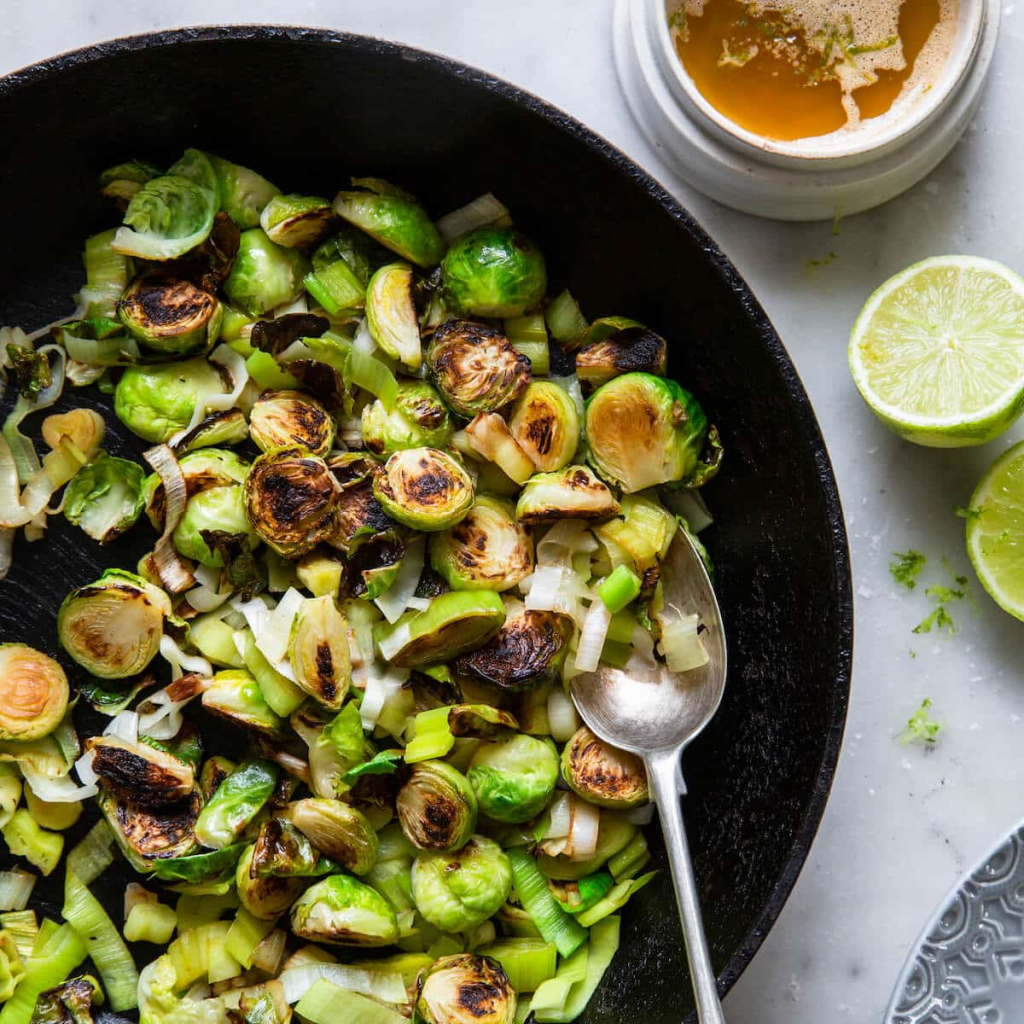
Brussels sprouts and leeks pair so well together. They’re creamy, crunchy, and down right delicious. This recipe for Brussels Sprouts and Leeks is one of my go to recipes. Often times recipes for brussels sprouts or leeks tend to heavy, but sometimes I want something a little lighter and brighter. This recipe is perfect for that. The veggies get mixed with lime juice and fresh ginger to help lighten the flavor. This goes great with fish, pork chops, or a spicy soy glazed tofu.
Arugula packs a peppery bite. It’s a great topping for pizza, salads, sandwiches, or can be added like any other green to pastas. With apples being in season, this Harvest Apple Arugula Salad is perfect. The apple and cranberries will add a touch of sweetness to better balance the peppery taste of the arugula. This recipe calls for sweet potato, but try swapping that for some of the winter squash in your box this week.
We had so much fun seeing so many of you on Saturday morning! We love getting to show off the farm, and all the hard work the crew has been up to lately.
We are down to our final two weeks of the CSA season, but the farming season will continue on until November (or until mother nature kills everything with snow). That means things are about to get extra busy for the crew.
Last week marked squash harvest. We spent a foggy morning, early in the week, clipping half the squash and all of the pumpkins from the vine. The other half of our squash got clipped from the vine on Friday. Some of our squash gets clipped early because it has a thicker, wet stem. These varieties need more time to dry out before we put them in bins to start the curing process for long term storage. We plan to store them until February or March so they can go in most of the Winter CSA boxes.
After the CSA season ends, we will be in full harvesting mode to get the rest of the vegetables out of the ground and into storage. In previous years, this would mean filling our cooler and potato room from floor to ceiling, and wall to wall with pallet boxes of veggies. Thanks to our new cooler space, we should have a little more wiggle room this year. We plan to use the new cooler space to store our dirty carrots until we wash them this winter. We wash as many carrots as we can in the fall, but harvesting is much faster than washing so we usually end up with at least half the crop to wash over winter.
In your share this week:
Pole Beans – Carrots – Celery- Cilantro – Cucumbers – Greens Mix – Melons – Onions – Red Peppers – Red Potatoes- Spinach – Squash – Tomatoes – Zucchini
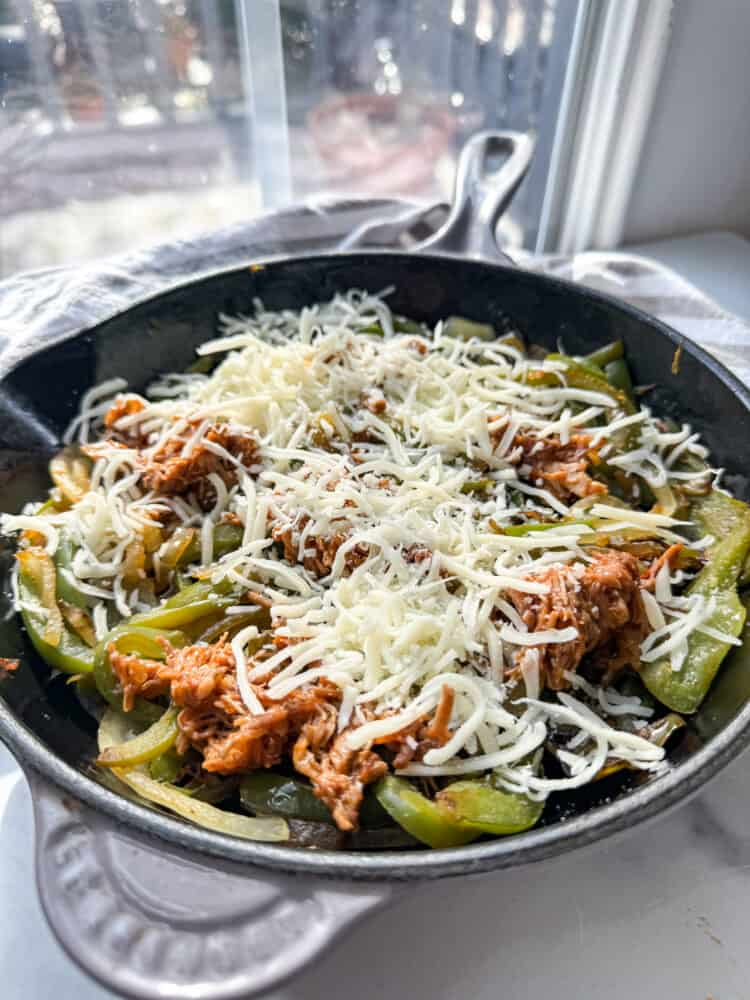
A great way to use up some of the peppers and onions we have been sending you recently, is this pulled pork skillet. It’s a great mix of comfort food with the warm pulled pork and melted cheese, while still having a bit of summer flavor from the fresh veggies.
This Greek rice bowl has been on repeat at our house recently. This is a great recipe to use up an abundance of tomatoes and peppers. It’s also a great recipe to use up any other veggies you want to toss in. Celery would be a great addition to this recipe as well.
Last week was filled with more harvesting. We got the rest of our first planting of potatoes out of the ground. These will hopefully last us until close to the end of October when we will be ready to harvest the storage planting of potatoes.
We’ve also been harvesting carrots weekly to keep up with shares and wholesale sales. We are down to about 4 beds ( a third of the field) left of summer carrots. We’re hoping these summer carrots can last us to the end of October. We really like for our Fall carrots to go through a hard frost or two to help sweeten their flavor in preparation for storage.
Last week was also packed with visitors. We welcomed a tour group from the University of Minnesota Extension. They were here to learn all about local produce and how the farm operates.
Our seed rep. from Johnny’s Selected Seeds stopped by. He got to tour around the farm with Janaki so they could talk crops, diseases, and equipment. Our seed reps are super knowledgeable in all things related to seeds. They help us learn about new varieties that are hitting the market (and which of our old favorites will be discontinued), and teach us about which varieties would be best to meet our growing needs in our specific climate. We appreciate their help every year.
We were also super excited to see more construction crew activity last week. Electricians and refrigeration guys were out, so the cooler units should be operational by tomorrow. The garage door company came to put our two new doors on the front of the expansion. The construction team was out on Friday to put up the frame for the lean-to, and to frame out our new bathroom. The lean-to will be a great covered extension that we can park our delivery van under in the winter. Having a covered space is nice to ensure the van can continue making deliveries all winter long and to give us much needed storage for all of the supplies we use. The crew is most excited about the bathroom. It will be the first bathroom for the farm crew with electricity and plumbing. No more freezing in the outhouse in negative temps!
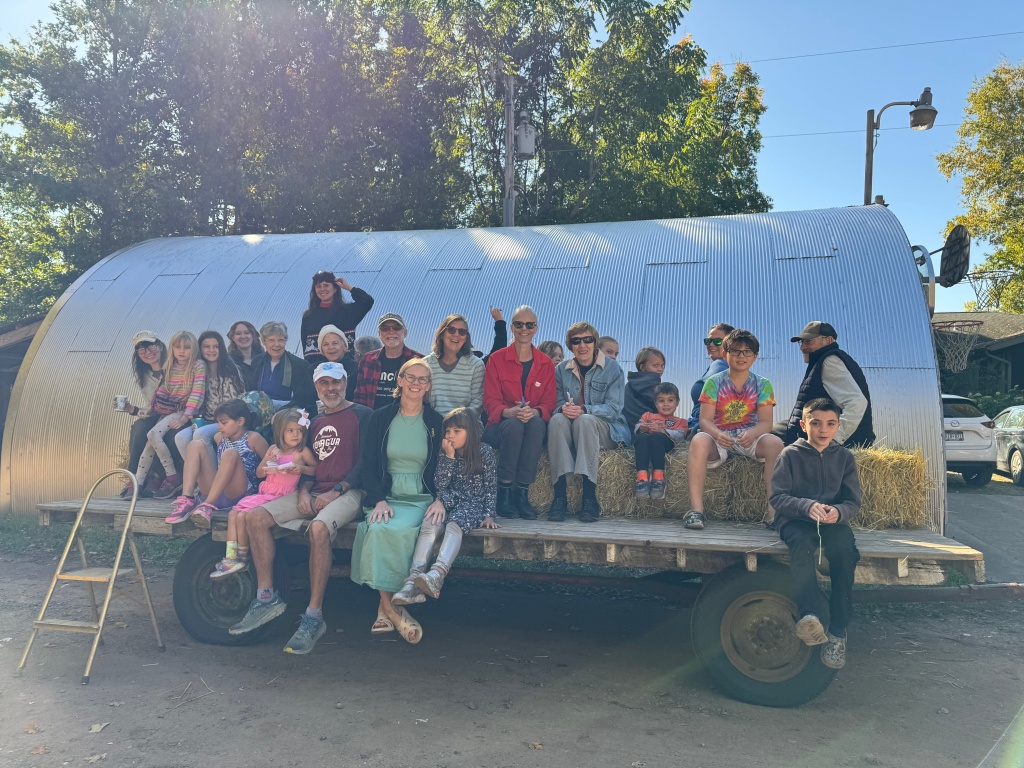
The visitors we’re most excited for is all of you! We’re having our open house this Saturday, September 27th from 10am-noon. There will we hayrides, farm tours, and lots of dog snuggles. It’s free and open to everyone. Bring your friends, neighbors, or the whole family. We can’t wait to see all of you and show you around.
In your share this week: Lettuce – Winter Squash – Tomatoes – Potatoes – Carrots – Zucchini – Pole Beans – Broccoli – Cucumbers – Melons – Onions – Parsley – Peppers – Hot Peppers
It looks like we’ll finally get some sunshine and warmer weather this week. If you’re looking for one more warm weather salad recipe, this Cantaloupe and cucumber salad is a great one. The melons are ripening like crazy on the farm, and pairing that with a fresh greenhouse cucumber, it’s like summer on the plate. It’s sweet, crunchy, and a little earthy. Perfect on its own, or get a little wild and try it as a topping to some fish or tofu tacos.
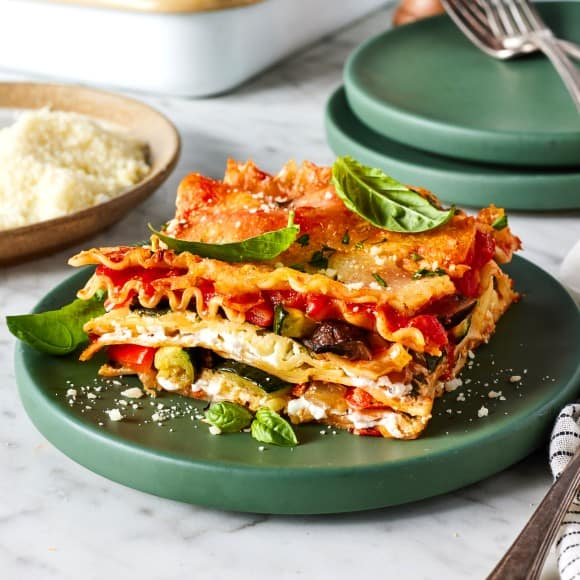
This time of year, I tend to crave cozy meals, but always have an abundance of veggies in my fridge that need to be used. This vegetarian lasagna is a great comfort meal that’s packed with veggies. I also love it because the recipe gives you a great base of flavors to start with, but leaves room for you to make it your own. You could swap kale or chard for the spinach. You could use eggplant or winter squash instead of zucchini. You could add sausage or ground beef for extra protein. Skip a layer of marinara and swap it out with a layer of pesto. The possibilities are almost endless.
Last week was packed with harvesting. We got more potatoes, carrots, and cabbage out of the field. All of our shallots were brought in. They’re now on racks in the drying shed. They’ll stay here until they’re fully cured, or until the temps get too cold, whichever comes first.
The farm is starting to look a lot different this time of year. At the peak of summer, about half of the fields have cash crops on them (edible crops that we sell for money), and half of the fields have cover crops on them(non edible crops used to improve the soil). This time of year, the fields are quickly changing from cash crops to cover crops. The cover crops are a great way to improve and protect the soil before winter arrives. We still have a few summer crops out in the fields such as melons, green beans, peppers, canning tomatoes, and zucchini that are hanging on and fighting through this gloomy, and cool weather.
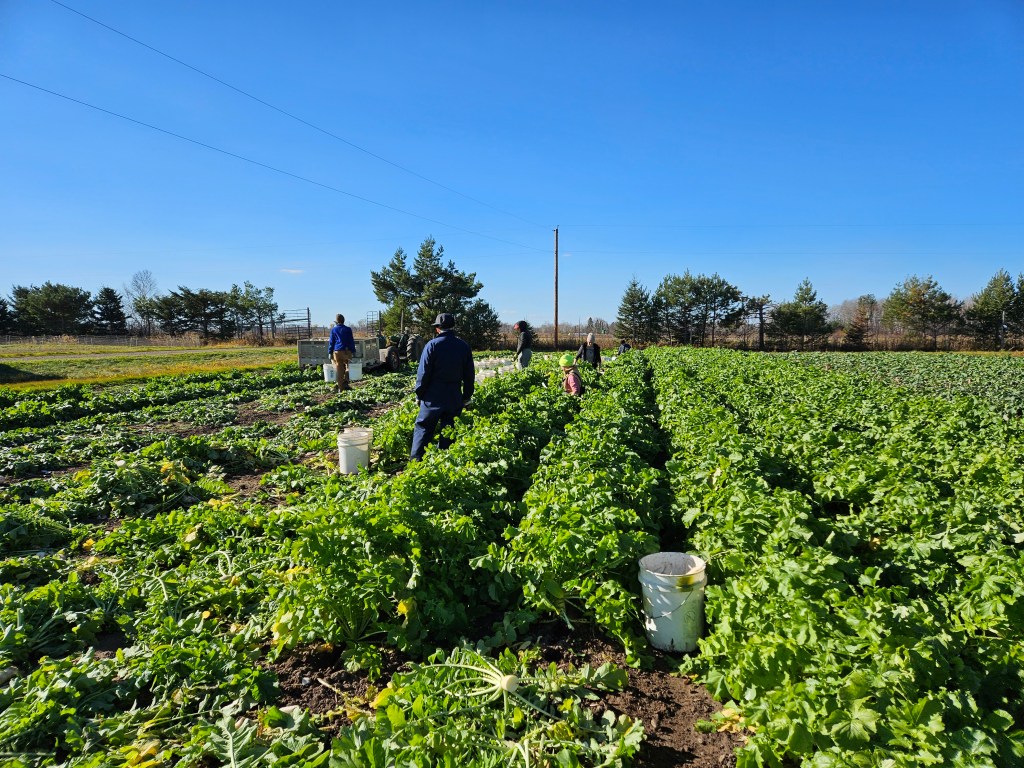
The majority of what’s left in our fields are storage crops. We’ve been slowly bringing in more and more of these vegetables as we get closer to October. Every time we bring the vegetables in, they get washed before being put into our coolers for storage. Every round of washing requires a lot of rearranging of our pack shed to move all of the equipment out, and make room for our elaborate set ups. Each round of washing, we bring up how grateful we will be once the pack shed expansion is done. Once completed, the washing equipment will have room to stay out rather than being put away after each round of washing.
Speaking of which, we haven’t given an update on that in a while. Big things have been happening with the construction! The siding and roofing went on about a month ago, so now it all looks like one cohesive building. The cooler door went on a few weeks go. Once the cooler door was installed, the refrigeration team was able to come set everything up. The electrician was out last week to get new wiring added. The garage doors are going on this week. This new space is really taking shape!
If you want to come see it in person, make sure to mark your calendar for our farm event on Saturday, September 27th.
When Fall rolls around, I love to bake things. One of my favorites is this Winter Squash Coffee Cake. It’s warm, moist, and packed with flavor. Plus, it has a crumb topping. I can never say no to a baked good with a crumb topping. The recipe lists a few squashes you can use, but my favorite is using acorn squash. It adds a nice nutty and earthy flavor that pairs so well with the ginger caramel sauce.
Whenever I find myself with leftover cabbage, and no idea what to do with it, I make these Cabbage and Carrot Fritters. They’re an easy snack to make that’s loaded with texture, flavor, and lots of great nutrients. The recipe is written for you to fry the fritters, but check out the notes above the recipe if you want to bake them instead.
It was wonderful to see so many of you on Saturday at Harvest Fest! If you missed getting to see us and meet some of our crew, don’t worry, you’ll have another opportunity in a couple of weeks when we welcome all of you to the farm for our annual tour. We usually do this in late August, but this year our schedule worked better for Saturday, September 27th from 10-noon. We’d love to have you out for coffee, treats, and to show off all of our hard work!
Some of our amazing crew/volunteers, and our beautiful veggies at Harvest Fest
There’s no denying the seasons are changing. The crew has been pulling out their hats, lined pants, and thick socks. In this area we’re used to chilly weather, but usually we get until later in September before we have to worry about frost. It’s also unusual this year because we generally have one cold day in September, but it jumps right back to 70s the next day. Having multiple cold, cloudy days in a row has been hard on our warm season crops. The cucumbers and zucchini have slowed down, but we know they’ll bounce back this week with some sun and warmth. Our melons are slowly trying to ripen. Usually at this time of year, the share boxes are HEAVY with melons. We also hope these will get back on track with the warmer weather this week because they were already way later than usual.
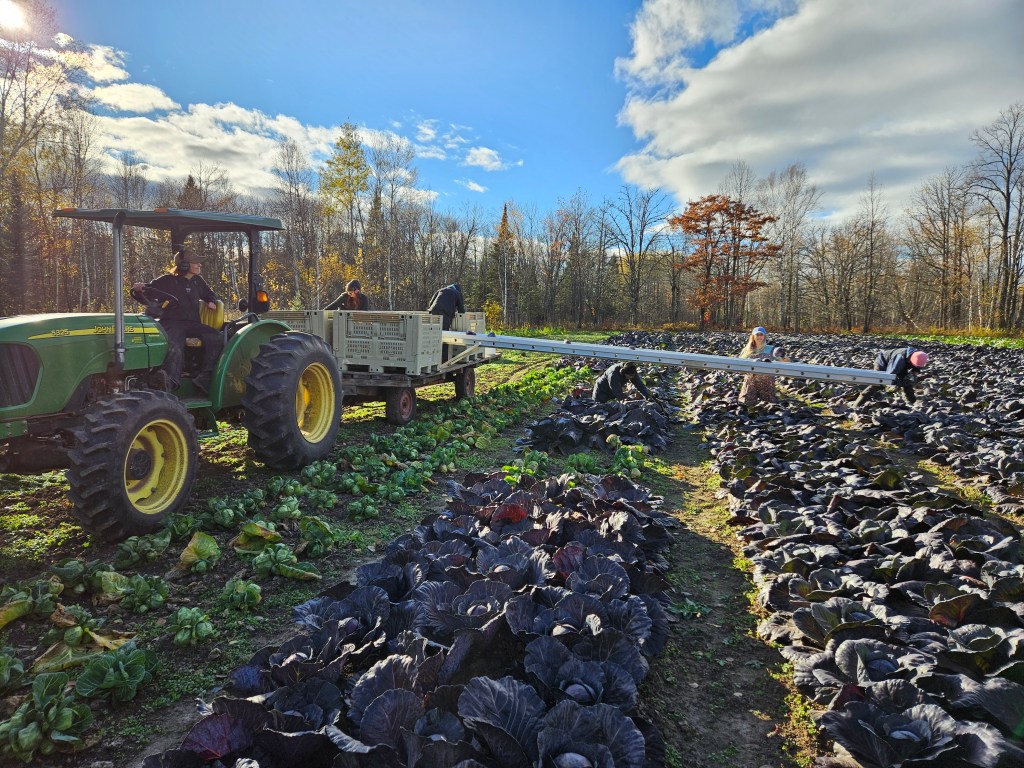
Thankfully most of our cool season veggies are un-phased, or even getting better, from the cold weather. We have a pretty full box this week and need to dig more carrots this week, but they’ll be back next week and for the duration of the season. This time of year is our prep time to work out any kinks, and make needed adjustments to our equipment before the big push in October. We recently got a conveyor belt to help us get squash and cabbage from the field, onto racks or pallet boxes on a trailer. In the past, we’ve thrown the vegetables up onto the trailer. It’s super fun, but not as efficient and pretty hard on the body when you do it for a few full days. Our crew is excited to test out the new conveyor belt in the coming weeks.
In your share this week:
Tomatoes – Leeks – Potatoes – Bell peppers – Jalapenos – Green Beans – Cucumbers – Onions– Zucchini
When most people hear about leeks, their mind immediately goes to potato and leek soup. While that is delicious, sometimes it’s nice to switch things up. If you’re looking to enjoy your leeks in a fun and new way, check out this steak salad recipe. It’s the perfect salad to bridge the gap between summer and fall, and it will use up lots of veggies from this week’s box.
If you’ve ever wanted to try pickling something but are too afraid of full on canning, or maybe you just want a new green bean recipe, check out these pickled green beans. It’s a simple recipe that will make a fun snack or side dish. It will only take about 40 minutes. The longest ( and hardest part) will be letting these sit in the fridge for a couple of days before digging in.