Summer 2026, Week 4

It is officially Summer, and Mother Nature is bringing us the heat this week. We are excited for the plants to get some warm weather and rain. 

With the heat and rain coming, our crew was extra busy last week trying to get as much field work done as we could. The big project for the week was getting mulch on all of our onions and tomatoes.
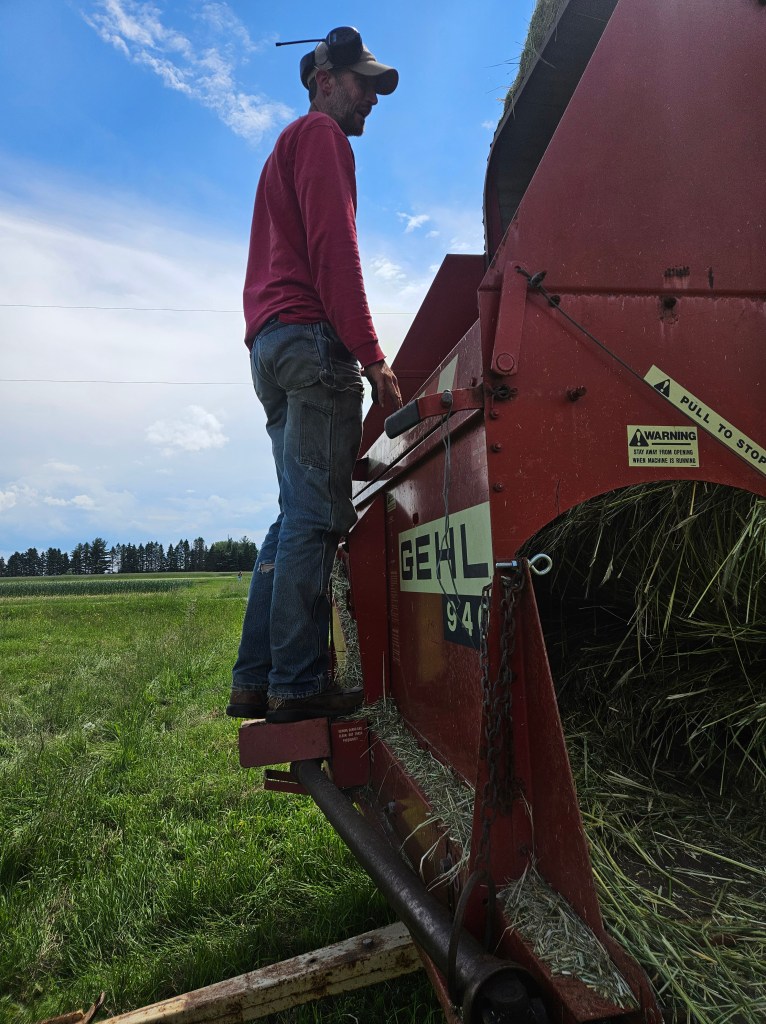
Janaki accessing the mulch in the chopper box

Each year we grow two types of crops: cash crops and cover crops. Cash crops are all the vegetables that end up in your share boxes. Aka: anything that we grow intending to sell. Cover crops are things like rye grass, clover, or buckwheat. We don’t intend to make money off of these. They are planted to cover the soil to prevent erosion, smother weeds, help with both harmful and helpful pests, and to put beneficial nutrients back into the soil. 

The cover crop we use the most is cereal rye. This is a really great cover crop because it’s deep roots work to loosen compacted soil, it grows quickly which helps to smother weeds, it’s great for sequestering nitrogen, and it makes amazing straw. 

Each Spring/Summer, once the rye has matured but hasn’t set seed, we chop it up and use it as mulch. It’s a lengthy process that requires specific timing, but it saves a lot of time later in the season. We put down mulch between all of our onion beds, and around all of our tomatoes. This not only helps to cover bare soil so weeds don’t grow, but it also helps to retain moisture in the soil. Over the years, we’ve streamlined the process so it goes much faster. However, from chopping to spreading to completion, still takes about 2-3 days. 

Once all the onions and tomatoes are mulched, any leftover rye gets baled. These bales will be stored in the barn to be used this fall when we cover our garlic for winter, and next spring to mulch our greenhouse tomatoes. 

Now that mulching is done, we can give our outdoor tomatoes a whole lot of love. Soon the crew will begin putting up the caterpillar tunnel to cover some of our tomatoes. They’ll also start adding support strings as a way of trellising the tomatoes. 
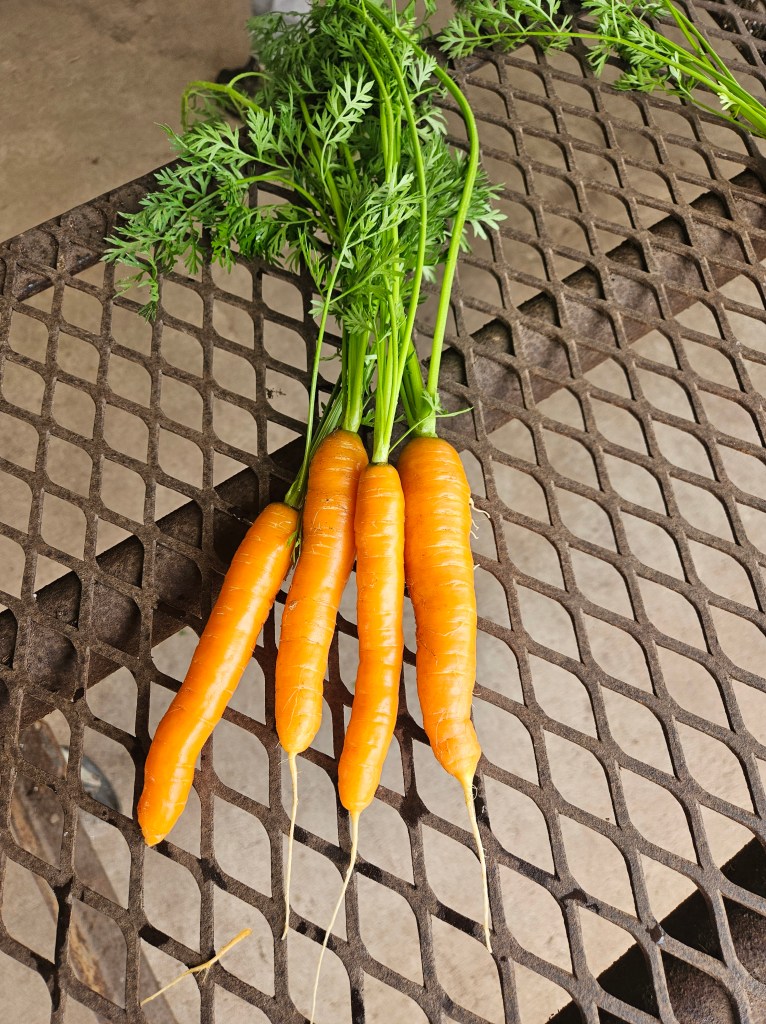
The first greenhouse carrots!

In your box this week:

Carrots – Radishes – Lettuce – Broccoli – Green Onions – Pac Choy
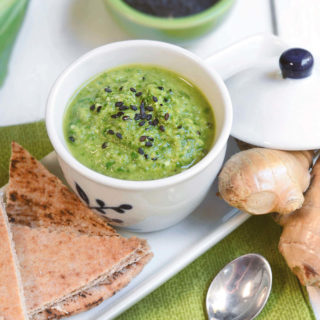
If you aren’t a fan of bok choy (also called Pac Choy), or are new to the vegetable, try out this Bok Choy pesto. I made it last week and enjoyed it on shrimp tacos, on top of a tofu bowl, and as a dip with crackers. Bonus: this recipe is also great if you swap out the bok choy for spinach, so save this for later. **The recipe calls for 4 small bok choy which would be equivalent to the one regular sized bok choy in your box**

This recipe for broccoli and cheese galette requires a bit of a time commitment, but I think it’s worth it! The crust is flaky. The center is cheesy and gooey. The broccoli is still crisp and tender. It’s perfect for a rainy night curled up on the couch. If you want to try a faster version of this, you can use store bought pie crust which will considerably cut down on the time. Just note that a store bought crust is usually only 9 inches, and this recipe is assuming your crust is 14 inches.

For the farm crew,

Jennifer
Summer 2026, Week 3

It was another week of dodging rain, and enjoying all the sunshine mother nature offered. 

This has been a very strange Spring. The zucchini, winter squash, and melons haven’t done much growing thanks to repeated nights in the 40s. A few of our melon plants have a flower or two on them, but the plants are too small to support fruit if it gets pollinated and decides to grow. On the other hand, our cool weather crops like bok choy have gotten so warm during the day, some of them are starting to flower. You’ll see some of those in your share this week–the flower stalks are actually delicious! 

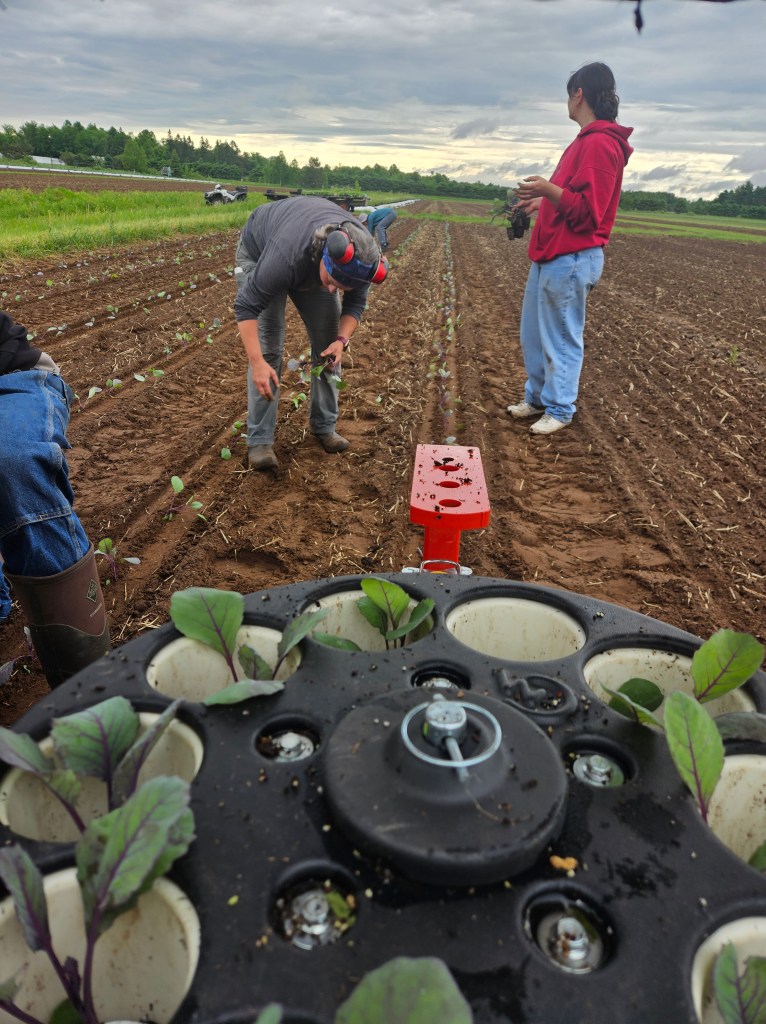
The crew planting more cabbage

In non weather-related news, the crew worked really hard last Tuesday to get more of our storage cabbage in the ground. This year has been exciting getting to plant with our new-to-us carousel planter. It has significantly decreased planting time. However, there is a lot more stopping and adjusting as we continue to learn about and navigate the new planter. We think we’re finally figuring it out, and it will hopefully be smooth sailing for the rest of the season. 

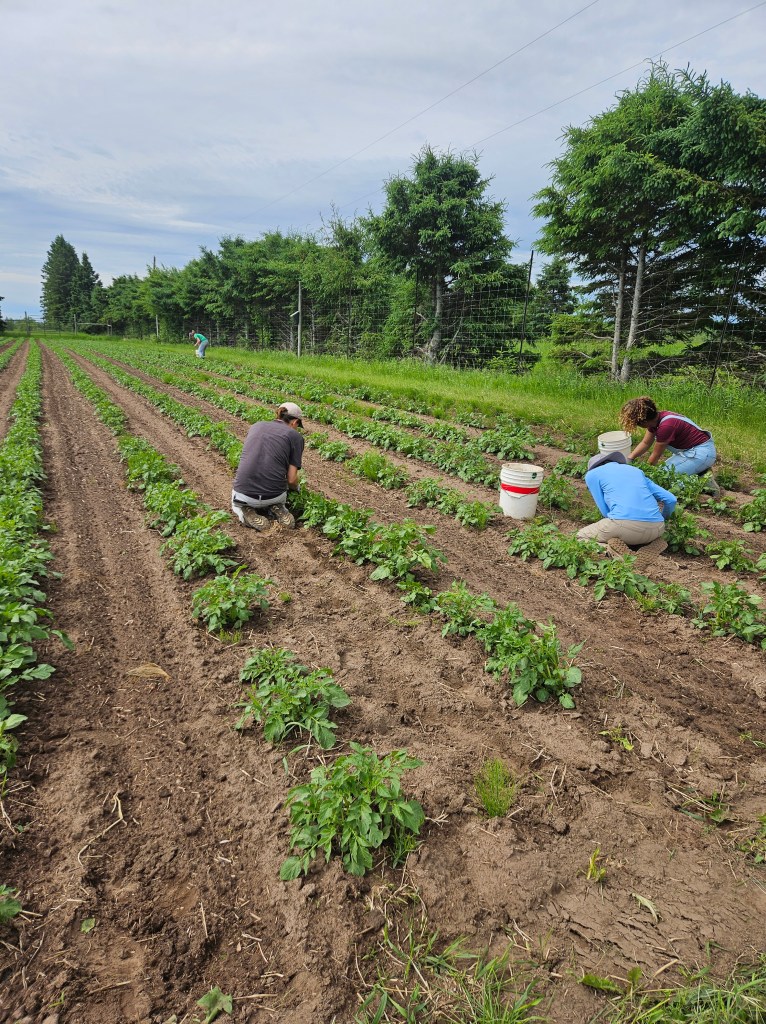
When we weren’t planting, the crew was giving the crops some much needed love and attention. Our greenhouse tomatoes have baby fruit on them! This marks the time when we start removing bottom leaves from the plants to increase air flow and help the plants avoid disease. The Colorado potato beetle is already showing up in large numbers. Our crew spent a few hours hunting for adult beetles, and searching for their eggs. The sooner we catch the eggs, the less damage the potato plants will endure. 

The crew hunting for potato beetles

This time of year marks what I call “maintenance season”. We still have a few crops to be seeded and planted, but most things are already in the field. Now our focus shifts to keeping the plants alive and happy. We will do lots of weeding, hoeing, pruning, fertilizing, and pest inspecting in the coming weeks. 

In your box this week:

Lettuce – Baby Bok Choy – Beets – Greens Mix – Broccoli – Green Onions

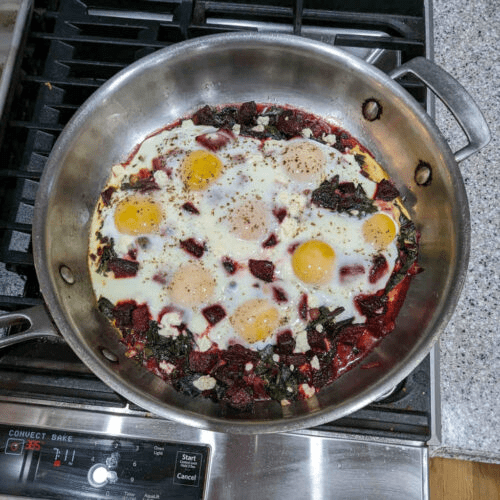
If you’ve been around for a while, you probably know that I love shakshuka. This Root to Leaf Beet Shakshuka is the most fun version I’ve tried so far. It’s lighter and less acidic than a traditional tomato based version. This one uses every part of the beet, which is a great way to use up the beet tops if you aren’t sure what to do with them.

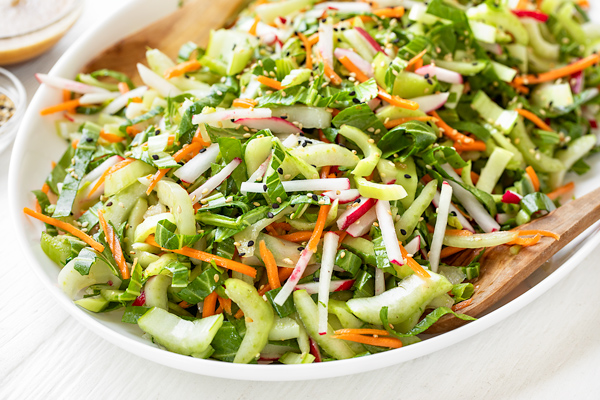
This Bok Choy Salad makes a great side salad. It’s bright, light, crisp, and very refreshing. I like serving this alongside salmon, pork, or chicken. The recipe calls for 8 heads of baby bok choy. You can scale down the recipe to use the amount of bok choy provided in your box, or you can substitute some of the bok choy for greens mix. A lot of our greens mix is asian style greens, so the flavors will go really well in this salad.

Summer 2026, Week 2

Mother nature gave us some much needed rain last week. The plants, and unfortunately the weeds, are looking very happy.

The rain gave us some time to catch up on indoor activities. We potted up a variety of vegetables. To save space, we usually start up to 450 seeds in a flat tray. Once the baby plants get their seed leaves (their first set of leaves), we transfer them (aka potting up) to a tray with 72 cells. These 72 cell trays are where they will continue to grow until they are ready to be transplanted to their forever home in the field or greenhouse. 

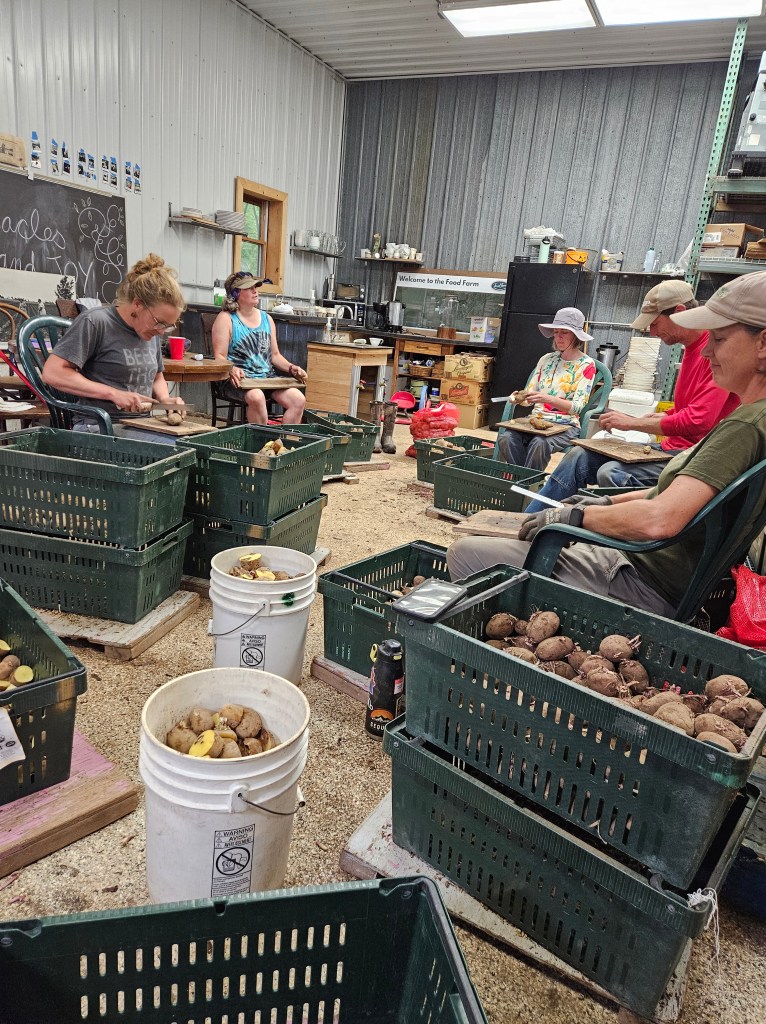
The rain also gave us time to cut seed potatoes for planting. If you don’t know, seed potatoes are a specific potato that is grown with the sole intention of it being planted. They look identical to the potatoes we eat, but they are grown under very specific conditions. It is grown in designated fields by specific farmers. These farmers carefully watch the plants to ensure none of them get a disease. If you plant a potato from a diseased plant, you subject your entire potato crop to the disease. We cut the potatoes so each piece has two eyes which ensures a higher possibility of 100% emergence. Once the potatoes are cut, we allow them to sit for a day or two so the flesh can start to dry out and produce a protective callous. This locks in moisture, and keeps out bacteria and bad organisms, which prevent the potato pieces from rotting.

Janaki and the crew cutting seed potatoes

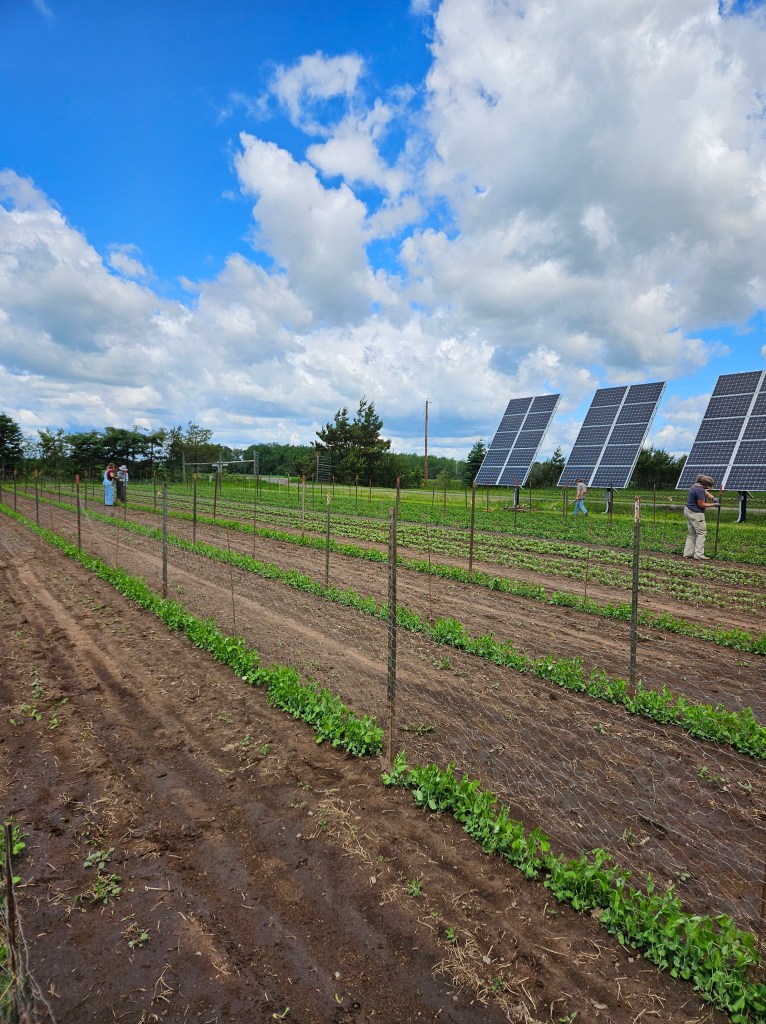
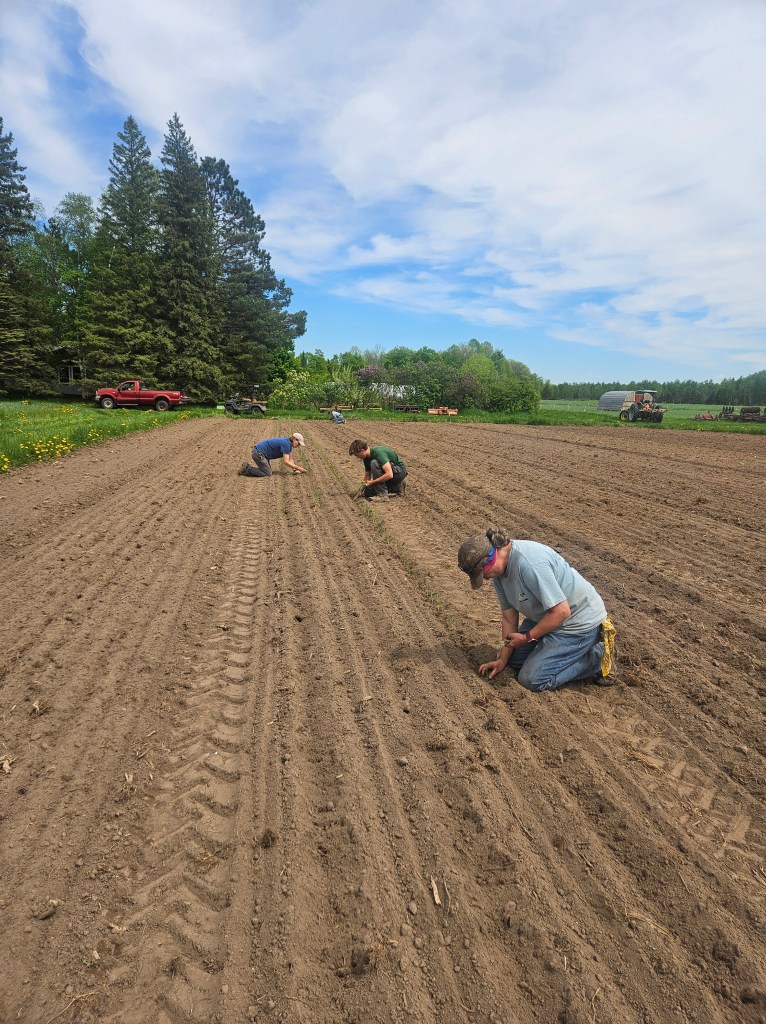
Once the sky cleared up, we spent some time in the fields getting more brassicas planted, doing some weeding, and setting up our trellis fencing for the peas.

A beautiful day for adding pea fencing

This week we will be focusing on getting the rest of our storage cabbage planted in the field, and seeding some of your Summer favorites. The first rounds of green beans and dill will be in the ground by the end of the week!

In your box this week:

Lettuce – Turnips – Green Onions – Spinach – Rhubarb – Radishes

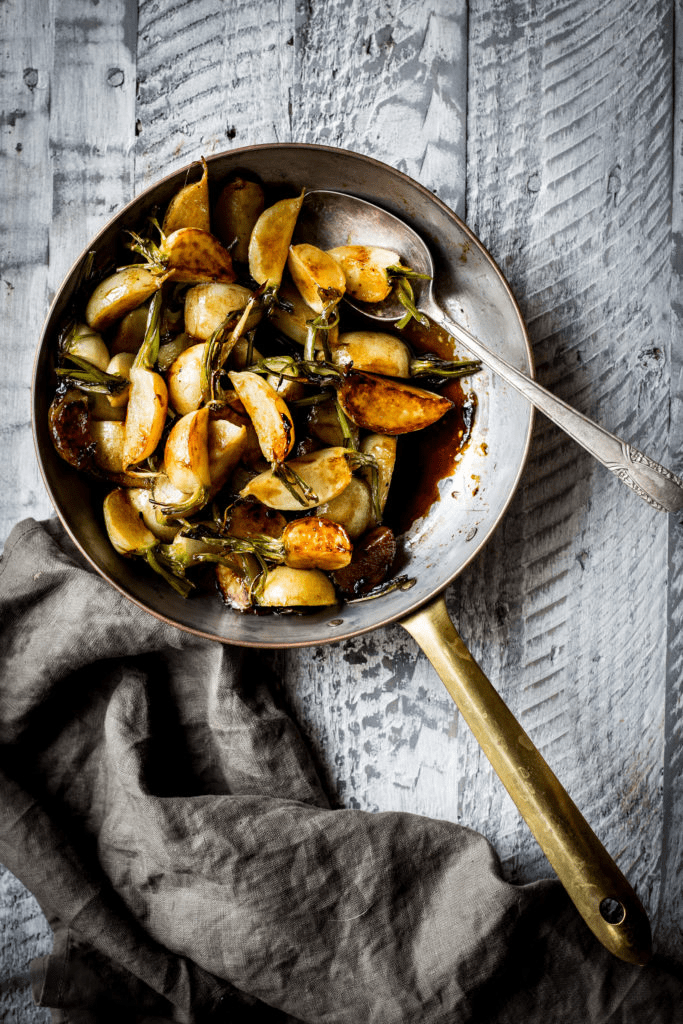
Turnips seem to be one of those foods people either love or hate. Most people who dislike them object to their peppery taste. If you’re one of those people, check out this recipe for Honey Glazed Turnips. Cooking the turnips will mellow out the peppery flavor a little bit. Adding the honey makes most of it go away. This recipe is also great with radishes.

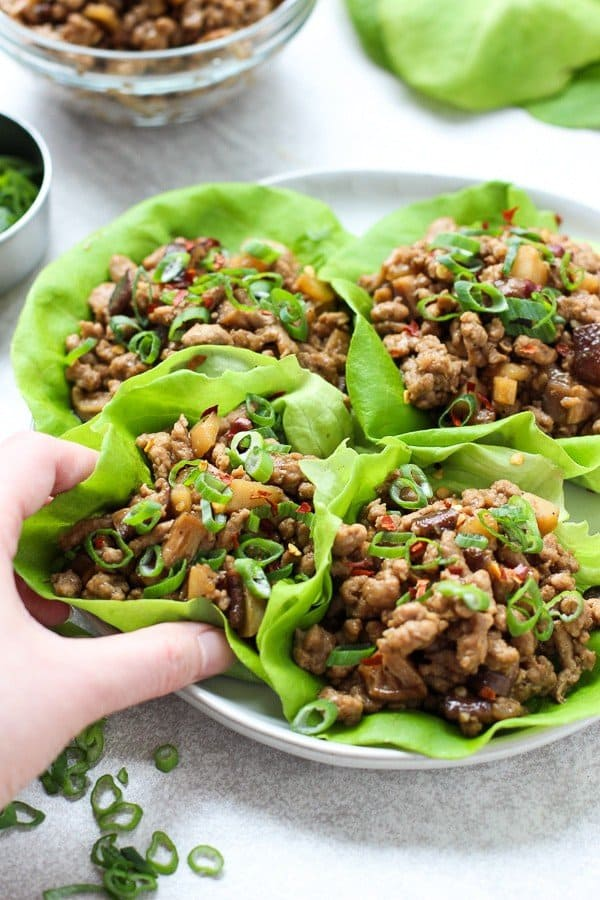
We are sending some big heads of romaine this week. These Asian Lettuce Wraps are a great way to use up some of the romaine, aside from making another salad. This recipe is a summer staple in my house. It’s easy to make, and easy to customize. You can swap out the protein, add more veggies, and top them with an variety of items. Your green onions are a must with this recipe. Also try topping with any leftover radishes from last week, peanuts, or kimchi.

I love a French 75! This one with fresh rhubarb syrup is on repeat every spring. It combines a homemade rhubarb syrup with all the classic components of a French 75. It’s light, bright, and not too sweet. Perfect for a sunny day on the deck. If you prefer non alcoholic drinks, you can mix this syrup with sparkling water and a little lemonade. I like to garnish the non alcoholic version with an orange peel, to add another depth of flavor.

For the farm crew,

Jennifer
Summer 2026, Week 1

Happy Summer CSA season! Welcome to all of our new members, and welcome back to all of our returning members. We are so grateful that you’ve chosen to spend the next 18 weeks enjoying all of the delicious veggies our crew works hard to grow. 

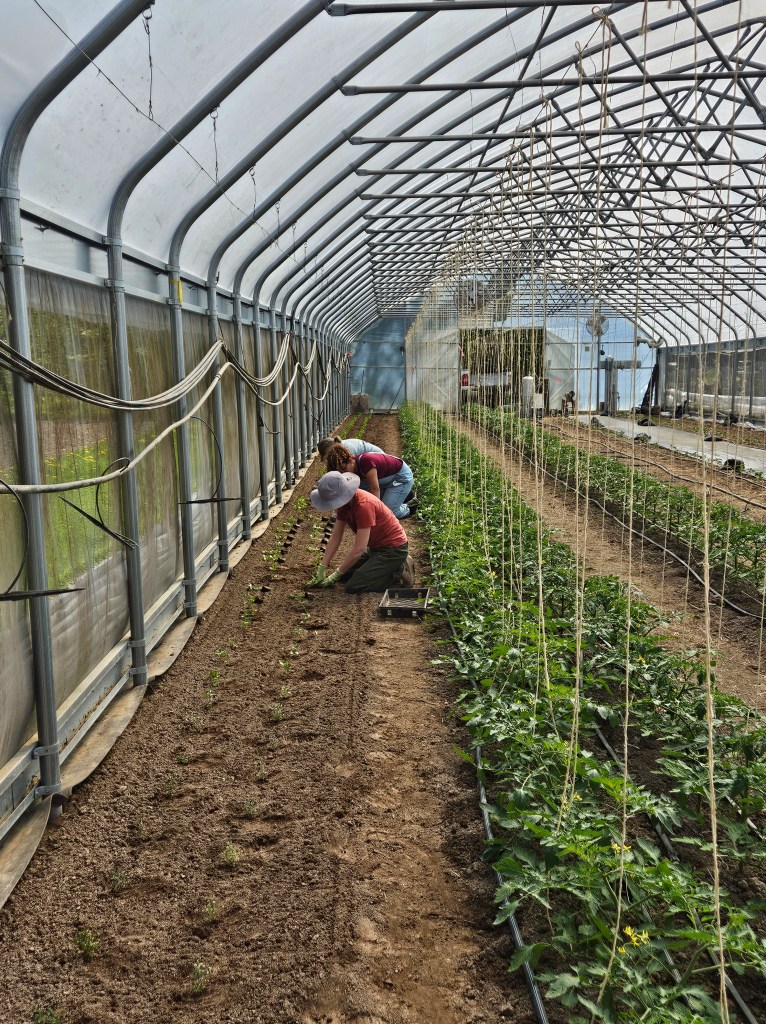
Emily, Tabitha, and Teri planting herbs in the greenhouse

A lot has been happening around the farm since our last newsletter a few weeks ago. Our crew has been planting, seeding, and weeding like crazy. Our summer squash, winter squash, outside cucumbers, melons, peppers, outside tomatoes, leeks and another round of brassicas were all transplanted to their new homes in the field. Most of those get planted by two people riding on our transplanter that is driven by one of the tractors. It’s a beautiful blend of human power and machinery. However, the peppers and tomatoes (all 1,500 plants), are each put in the ground by hand. It takes a full 8 hour work day to get all of these in the ground. Thankfully they’re really tasty which makes all the labor more worth it.

Teri, Nolan, and Catherine planting leeks

We made it through our biggest brassica seeding of the year. This seeding includes all of the cabbage that we will store throughout the winter. That’s almost 10,000 cabbage plants that were seeded in two days. Thankfully we have some vacuum seeders that help speed up this process so we aren’t putting seeds into a tray one at a time. This cabbage will be sent to our winter CSA members, Spirit Creek farm kraut, and local wholesale customers.

When the crew isn’t planting or seeding, they can usually be found in the field weeding. We try our best to stay well ahead of the weeding. This time of year is challenging because we have so many things to do and not enough time in the day. Weeding is most important when the plants are small. The baby veggies are working so hard to grow, we don’t want them competing with weeds for nutrients and sunlight. 

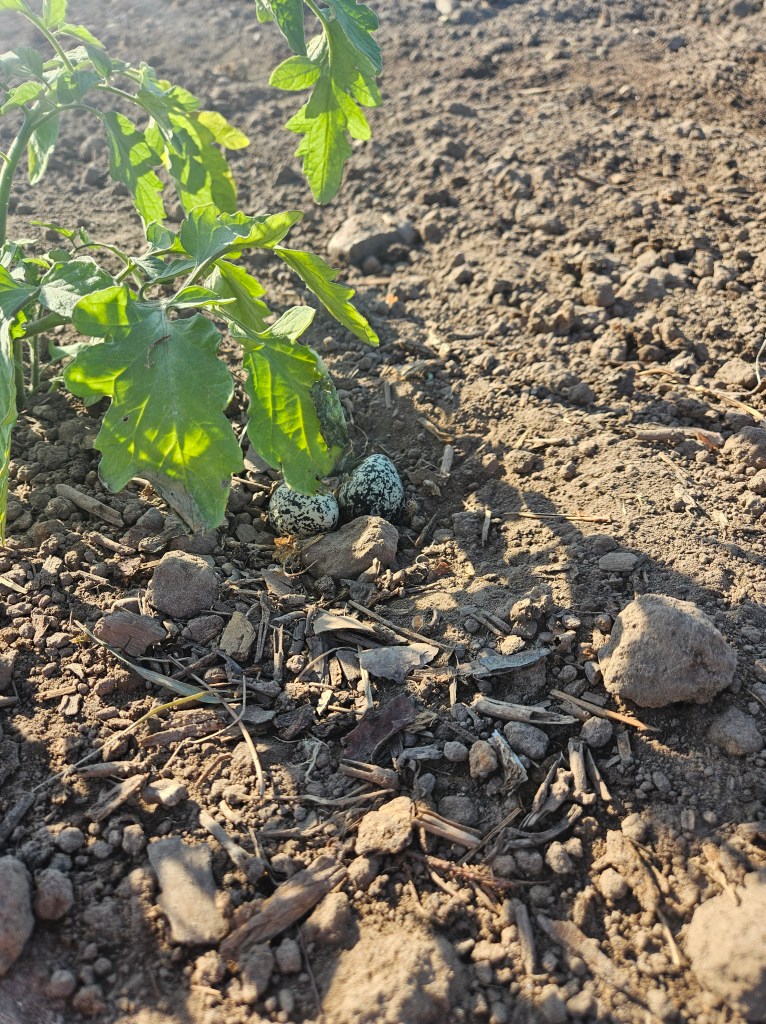
Mama bird decided the base of our tomato plant looked like the perfect spot to lay some eggs

This week, the crew will be adding trellis to our peas, mulching our greenhouse tomatoes, transplanting more brassicas, and getting our next round of potatoes ready to go in the field.

In your box this week:

Green Onions – Spinach – Kale – Greens Mix – Radishes – Rhubarb

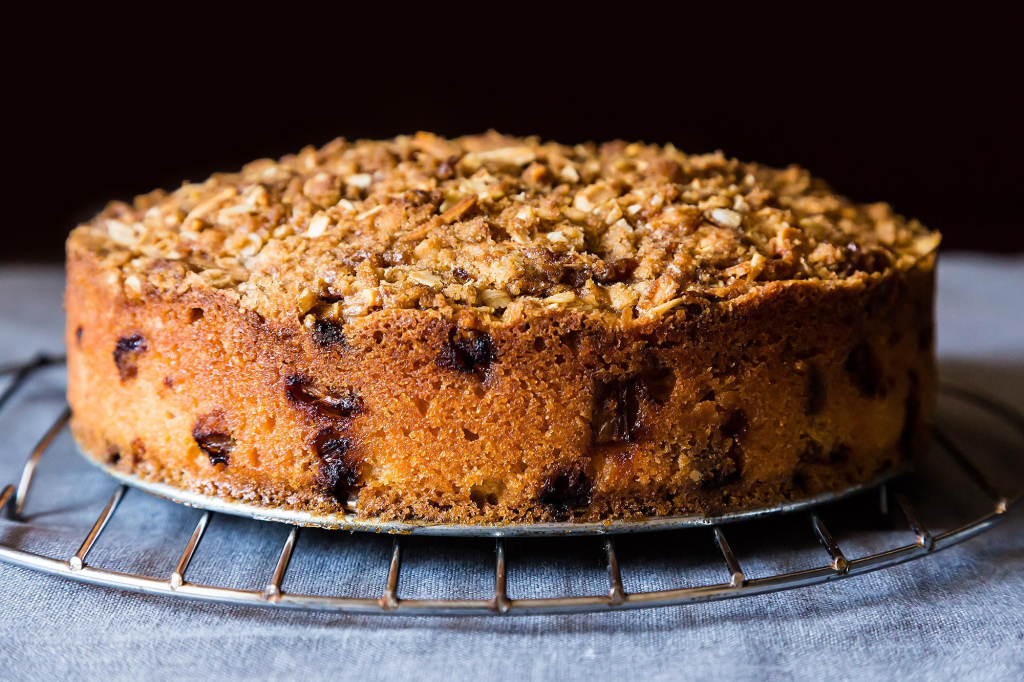
If you’re looking for a sweet rhubarb recipe, this Rhubarb and Almond Crumb Cake might be perfect for you. It’s an easy recipe with minimal ingredients, so the rhubarb really shines. The cake is light and moist. The crumb on top is sweet, and crunchy. It’s great with some ice cream for dessert, or topped with yogurt for a delicious breakfast/brunch cake.

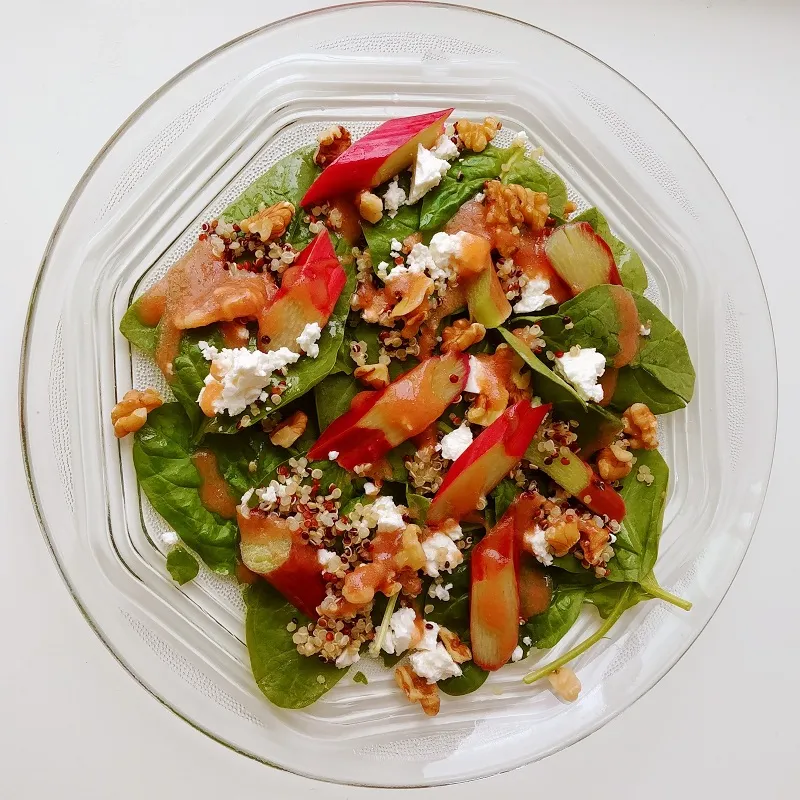
If you want to enjoy your rhubarb, but aren’t a sweets person, check out this Rhubarb, Quinoa, and Spinach Salad. It’s nutty, crunchy, sweet, and oh so fresh. The quinoa helps to fill out the salad, but for a fuller meal, try adding chicken or tofu.

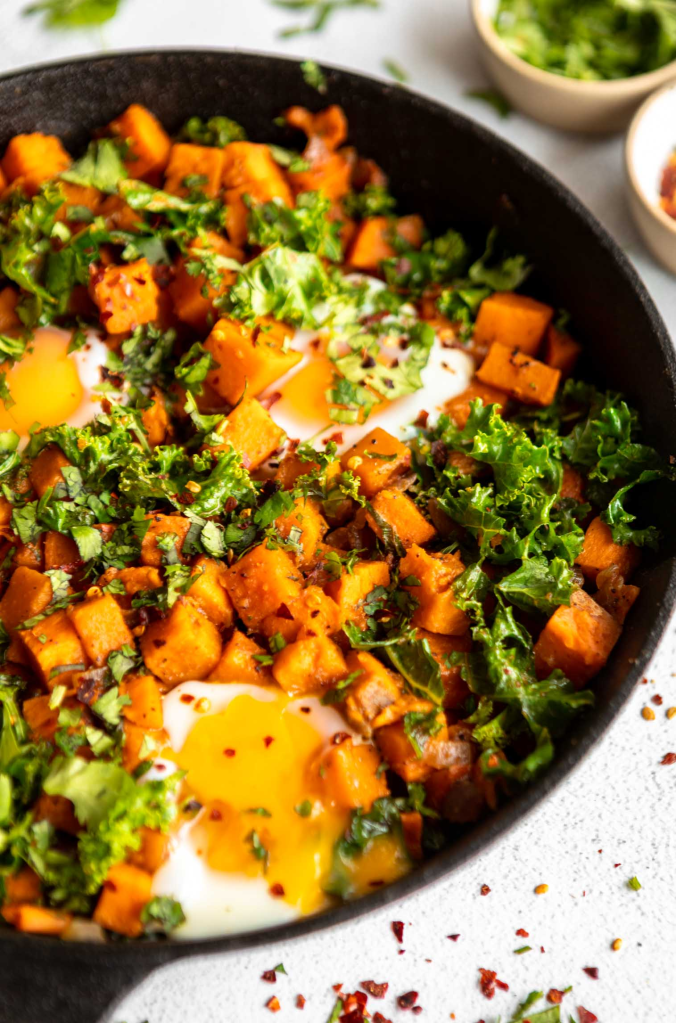
My favorite way to enjoy kale is in a breakfast hash like this one from Jar of Lemons. The kale gets slightly crispy, and it absorbs all the flavors from the spices. A breakfast hash is also great because you can customize it how you want. Aren’t a fan of sweet potatoes? Try swapping them for a different type of potato. Want more color in your meal? Try adding some bell peppers. Already ate all the kale from this week’s box? Swap the kale for greens mix (add it closer to the end so it won’t cook for as long as the kale would).

For the farm crew,

Jennifer