Summer 2026, Week 8

I’ve often been told that July and August don’t test your gardening skills, they test your patience. July and August always seem to be the time of year when pests come out in full force. Both those we know, and those we’ve never seen before. It’s also the time of year where diseases start popping up.

The excitement and anticipation of watching the first seeds germinate back in March, or getting to put the first plants in the ground back in April, have faded. We’ve watched millions of seeds germinate, and planted thousands of plants. At this point, those things are old news. We still have lots of crops that we are impatiently awaiting to harvest. However, we seem to be spending more time lugging around irrigation, and watching plants in hopes that they can pull through from whatever disease or pest is currently trying to wipe them out.

Our biggest stressors this year have been our potatoes and our greenhouse cucumbers. The potato bugs are out in full force this year! Those things seem to be multiplying by the second. Normally, our crew would crawl along inspecting each plant for bugs and larvae. This year, we simply don’t have the time or the man power to devote the required attention to get rid of the bugs. So we do what farmers do best, and we improvise. We’ve hooked up some snow sleds to a tractor, and use brooms to knock off as many potato bugs as we can. It’s not quite as thorough as doing it by hand, but it takes significantly less time and people. We’re just hoping the little potatoes can pull through.

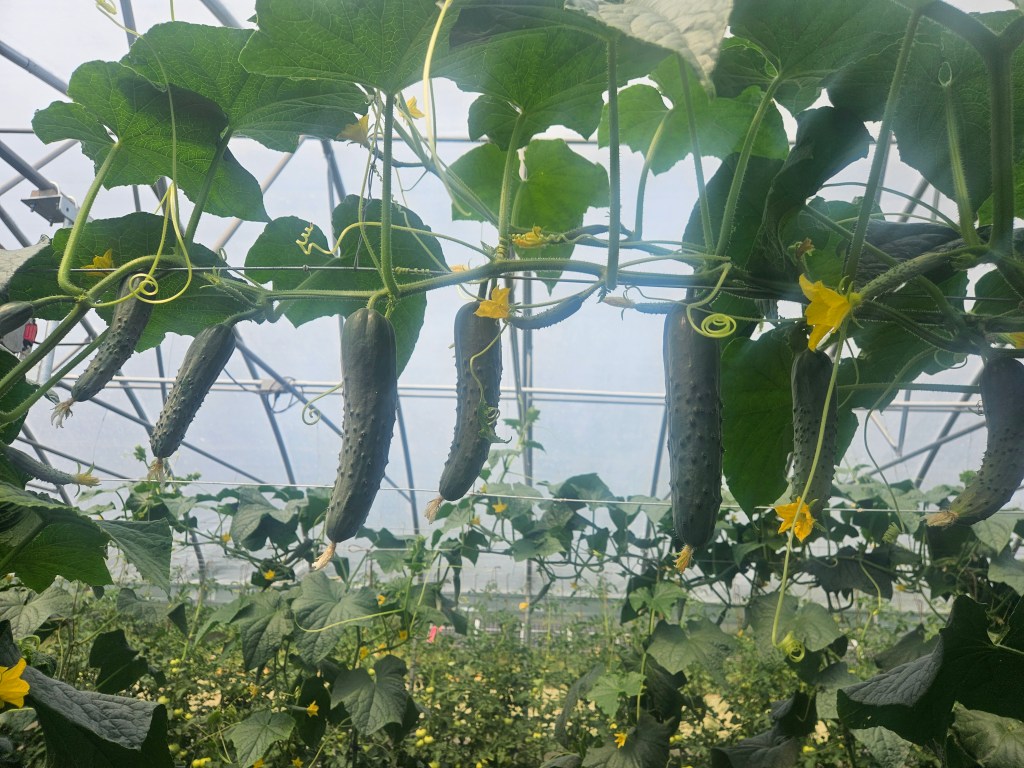
I’ve started trying not to make eye contact with the cucumbers. It seems every time I look at them, a new one has perished, gotten a mystery disease (that it’s about to spread to all its friends), or attracted a swarm of pests. I often think to myself, “would anyone really care if I just ripped these all out?”. Then I think back to the night before when I ate two for dinner and had another one for lunch…so yeah, I guess we better keep them. They make me want to rip my hair out, but they’re so darn tasty.

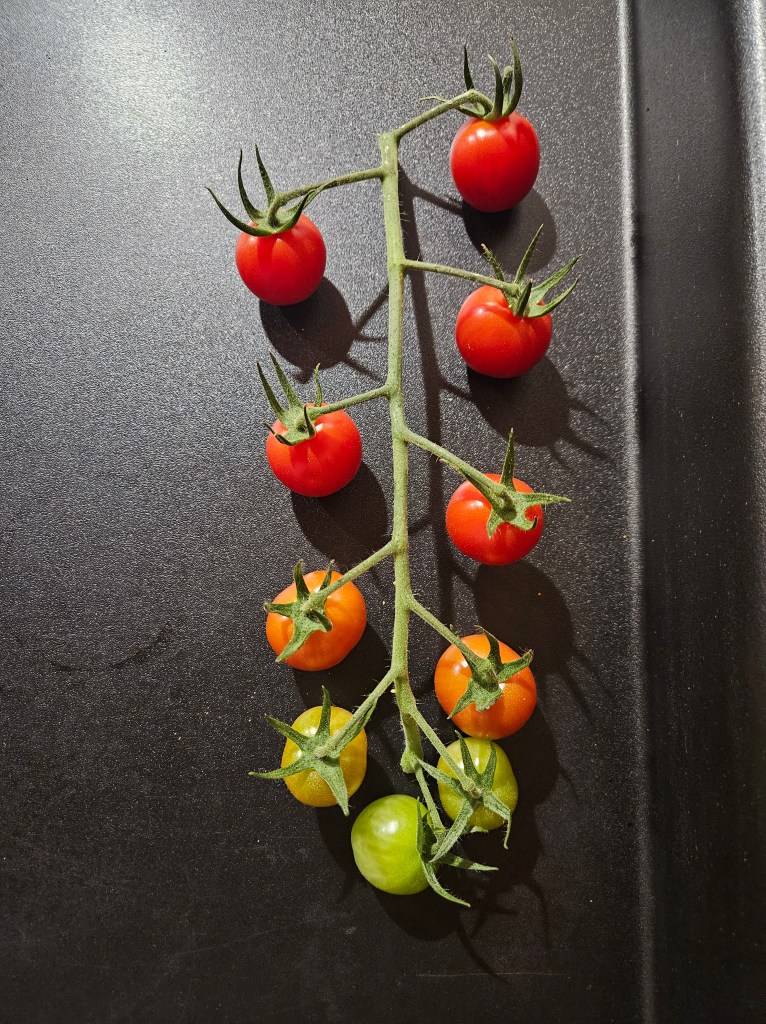
As gardeners and farmers, we spend lots of our time doing research about the best seeds, the best tools, the best fertilizers, and the best harvesting methods. We gather all the skills and resources that we possibly can. In these cases, yes those skill can come in handy, but it’s mostly about having the patience to not give up. When we’ve tried 3,4,or 5 different methods for getting rid of the potato bugs, and none of them work. It would be really easy to throw in the towel and let nature take its course. That’s not what we do. We put on our patience pants, and try something new. We look up new resources, we reach out to friends, we give the bugs a stern talking to, but we never give up and throw in the towel. Farming isn’t always easy, but boy is it worth it. I mean just look at these vegetables showing off. Have you ever seen anything more beautiful?!
In your box this week:

Lettuce – Zucchini – Tomatoes – Dill – Parsley – Cucumbers – Greens Mix – Carrots – Snap Peas
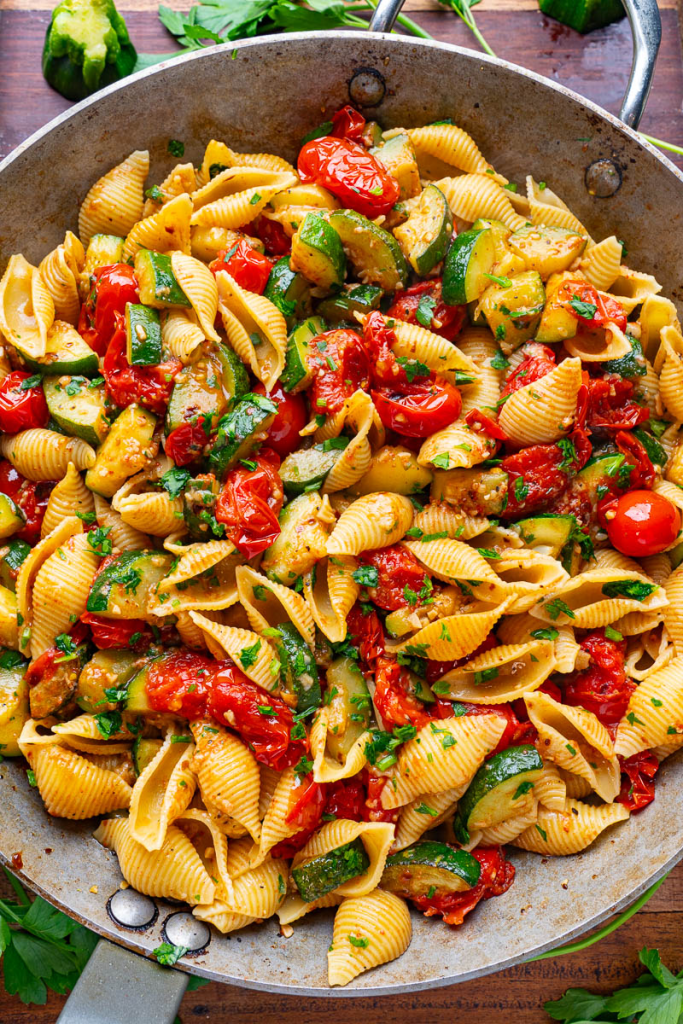
This Garlic Butter Zucchini and Tomato Pasta is Summer on a plate. It’s fresh veggies and herbs, topped with butter and cheese. This dish is really versatile. You can add any other veggies you want like corn, kale, or cauliflower. It’s also great with a protein like steak, chicken, or some butter beans.
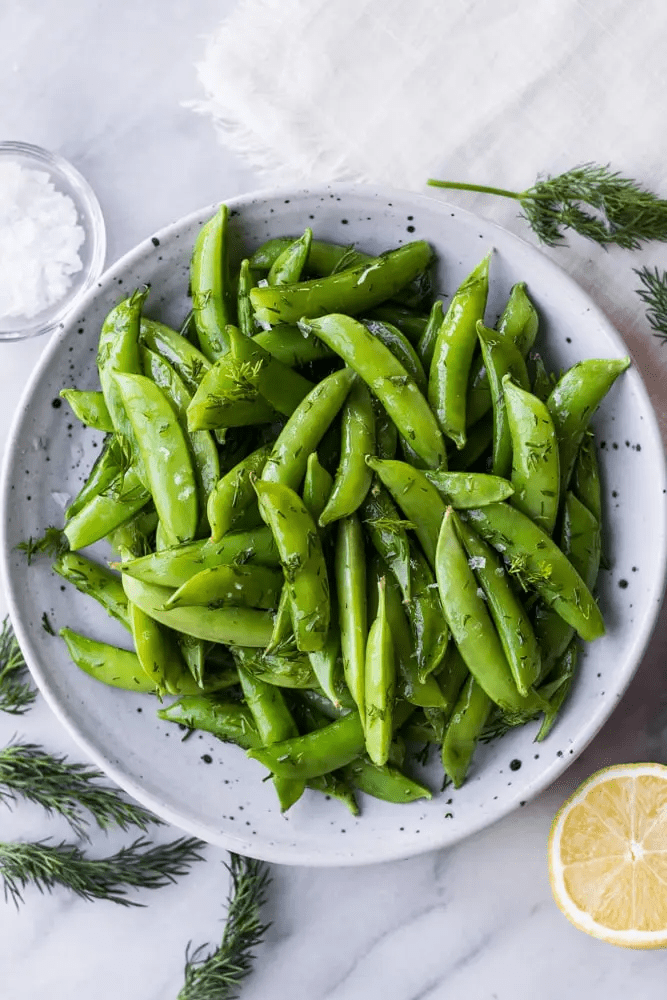
I know most of us eat the snap peas straight out of the bag, but if you’re not a fan of raw peas, try these Snap Peas with Lemon and Dill. They’re an easy side dish, you can serve them with some bread and spreadable cheese for a quick appetizer, or my personal favorite is to mix them with pasta. I like to chop the pods into thirds, make this recipe, then mix it in with pasta, a splash of heavy cream, and some cheese. It’s delicious and easy to turn into a bunch of new recipes.

For the farm crew,

Jennifer
Summer 2026, Week 7

We have officially reached the point in the season I like to call “hurry up and wait”. In the Spring, we are rushing to get everything seeded and planted right on schedule. Then we’re rushing to get the crops in the field as soon as the snow is gone. Then we’re rushing to get the plants weeded before they get too big. Now…we wait.

The tomato plants are filled with tomatoes…but they’re all green, so we have to keep waiting.

The Zucchini has lots of fruit on it…but it’s not being pollinated, so we have to keep waiting.

The melon plants finally have fruit on them…but they’re itty bitty baby melons, so we have to keep waiting.

The pepper plants are getting really big…but the peppers are still too small, so we have to keep waiting.

The garlic has put on its scapes…but the leaves need to die back before the bulbs can be harvested, so we have to keep waiting.

We fill our waiting time by weeding, pruning, trellising, watering, and giving the plants an encouraging talking-to. We know that soon, the weekly boxes full of lightweight, lush greens will end. In their place will be heavy boxes, overflowing with a rainbow of produce. We just have to be patient.

Starting with this week’s box, we have an extra special surprise for all of you. New this year, we are sending eggplant! We don’t have enough space in the greenhouse to grow the number of plants required to send eggplant to everyone at the same time. We have a carefully planned out list to ensure that every site will recieve eggplant by the end of the season. If you don’t get eggplant this week, don’t worry. You’ll get it eventually, just in a different box.

In everyone’s share this week:

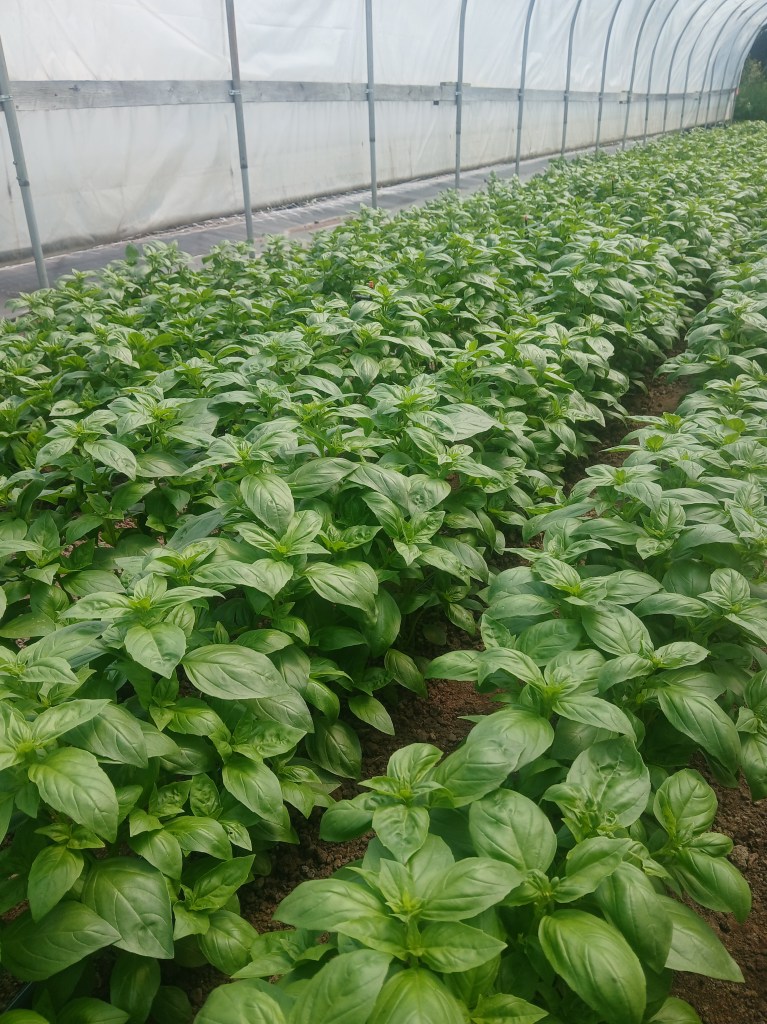
Basil – Broccoli – Cauliflower – Carrots – Green Cabbage – Cucumbers – Garlic Scapes – Green Onions – Snap Peas

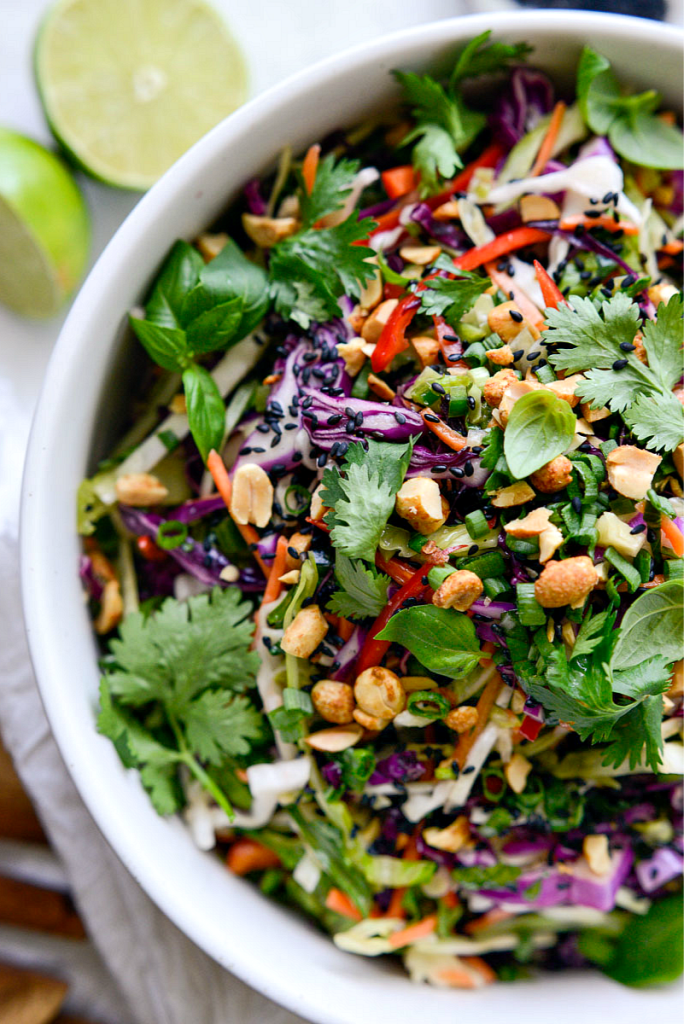
This Asian Cabbage Slaw with Basil is a rainbow on the plate. It’s crunchy, spicy, light, bright, and so delicious. I love adding some salmon or peanut tofu to make this a full meal. It’s also delicous on top of pork tacos or a chicken sandwich. The recipe calls for green and red cabbage. The red cabbage is there to add more color to the plate. Substituting the red cabbage for green, so you can use your entire head of green cabbage, won’t change the flavor at all.

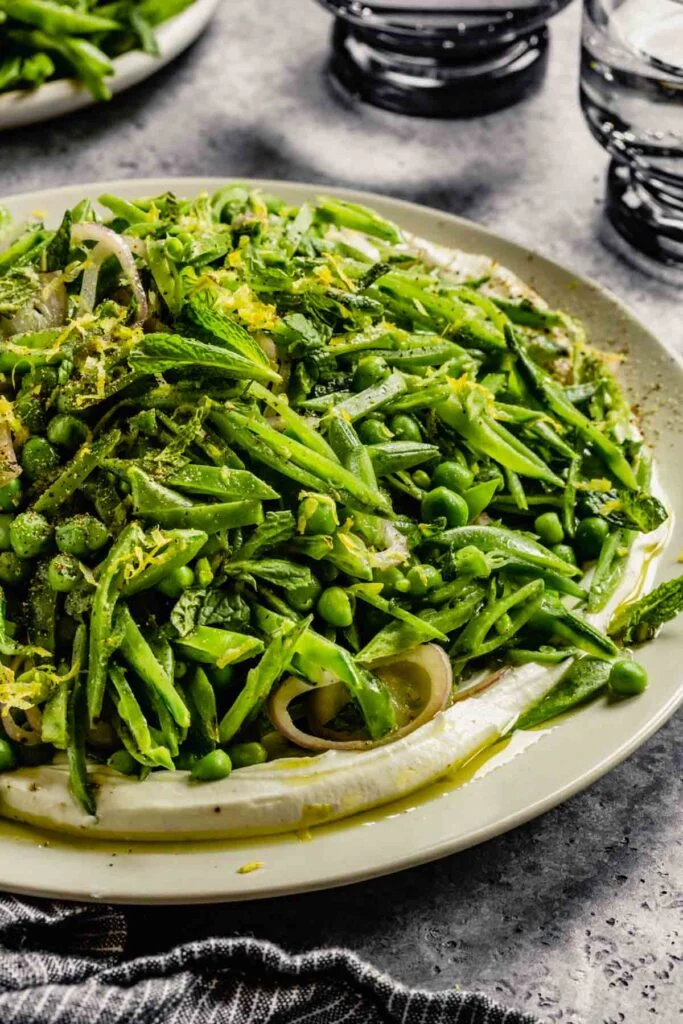
This recipe for Triple Pea Salad with Whipped Goat Cheese is a great appetizer or light lunch. This is bright and summery from the lemon and mint. It’s creamy and tangy from the goat cheese. Top it all off with three different types of peas. What a fun way to taste the difference in peas, side by side.

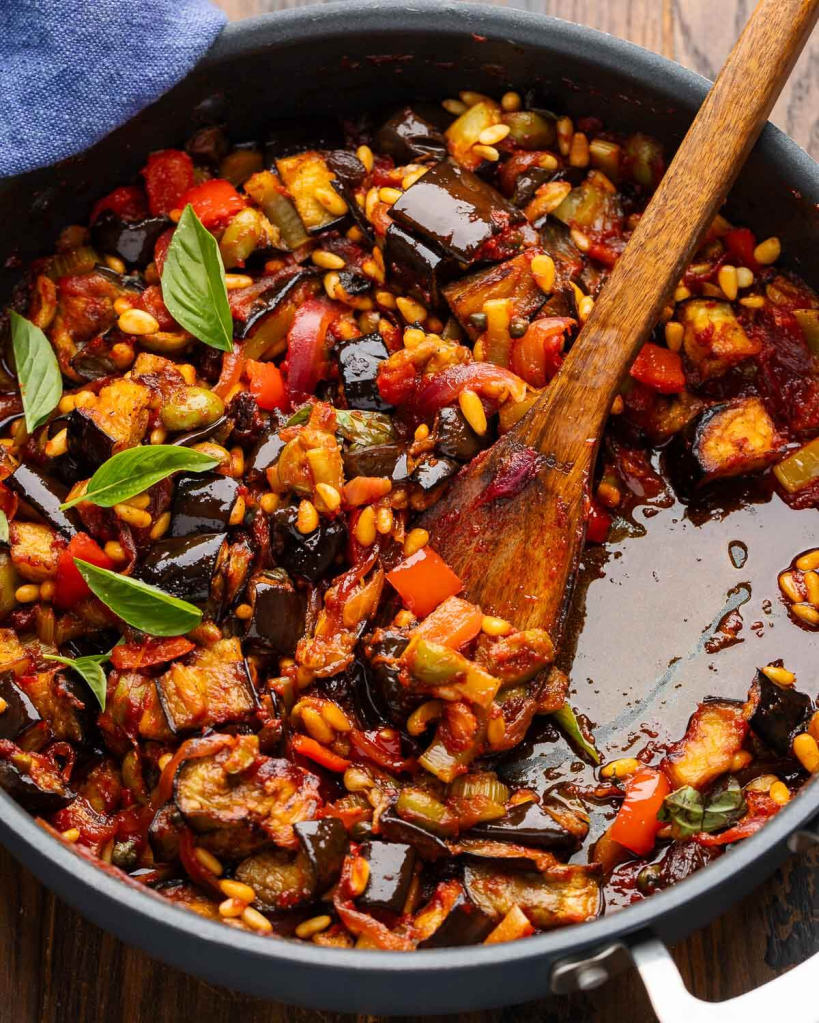
This Eggplant Caponata is bursting with flavor. It has a toasty, eathy flavor from the pine nuts. The olives add a briny, salty flavor. The herbs brighten everything to break through the richness. This is traditionally served as an appetizer with crusty bread. It would also be great on a sandwich, or mixed with pasta.

For the farm crew,

Jennifer

Summer 2026, Week 6

Holy heat wave! We hope all of you are staying cool and hydrated this week. Most of our crew aren’t big fans of the heat, but we appreciate them sticking it out and working hard through all types of weather. Thankfully the staff freezer is stocked with popsicles and ice cream to help cool down after a hot day.

Around here, we like to joke that in this kind of weather you can watch the vegetables grow right in front of your eyes. You’ll look at a plant one day, and by the next it seems to have doubled in size. However, not all plants like the heat as much as others. Cool weather crops such as radishes, peas, spinach, and most brassicas like when the day time temps stay at 75 or lower. Once the daytime temp consistently stays above 75, the veggies start to change. Radishes become extra spicy, brassicas and spinach bolt, and peas can become tough and bitter. Thankfully we live in a place where the night time temps still get cool enough to balance out the hot day time temps, so this doesn’t happen as often.

Even some of our warm weather crops like squash, peppers, and tomatoes can be bothered by the heat. If the day time temps are consistantly above 90, the plants start to protest. Tomatoes will pause putting on new fruit, and ripening exhisting fruit. Peppers tend to drop their flowers before they have a chance to be pollinated, leading to less fruit per plant. Cucurbit (squash, melons, and cucumber) plants tend to create a higher ratio of male flowers. The female flowers are the ones that produce the fruit. The male flowers are only there for pollination. It might look like the plants are happy because they have lots of flowers on them, but chances are, they’re mostly male which is why new fruit isn’t being produced.

Fun fact: Did you know tomato flowers only have a 50 hour window of when they can be pollinated. If the flower isn’t pollinated within that timeframe, it won’t result in a tomato.

Since this isn’t our first rodeo, we have lots of tricks up our sleeve to help the plants when it gets hot out. Remember a few weeks ago when I talked about us mulching some of our vegetables? That mulch will be very helpful this week in ensuring the plants retain moisture so the soil drys out slower. We also shift our watering schedule. We’ll also water the plants in the early morning, or later at night when the air temp is a little cooler. When it’s super hot out like this, we tend to shift our harvesting time from the afternoon to early morning. This is very beneficial in helping our crew stay cool in the greenhouses before the hottest part of the day. It benefits the plants by reducing some of its energy demands. With less fruit, the plant can sit back and relax a little which puts less stress on them.

In your box this week:

Broccoli – Cauliflower – Lettuce – Lettuce Mix – Greens Mix – Carrots – Cucumber – Garlic Scapes

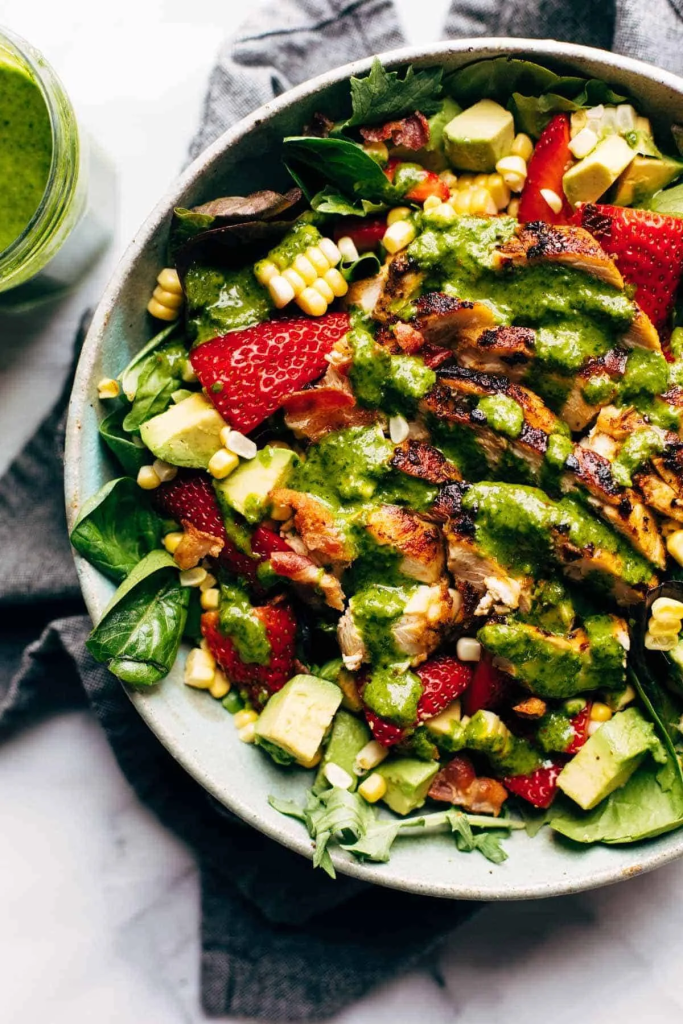
It’s strawberry season! Use up some of your greens from this week, and pair them with some locally picked strawberries for this Chipotle Chicken Salad. This salad has smokey chicken, crispy bacon, juicy sweet corn, and a bright cilantro dressing. It’s perfect for a hot summer day. If you aren’t a fan of chicken, this would also be great with steak, shrimp, or tofu.

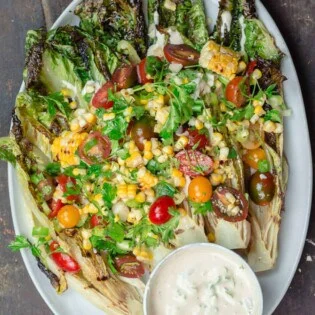
If you want salads this week, but are looking for something new, try grilling your lettuce. The head lettuce in this week’s box is perfect for grilling. Grilling the lettuce helps to carmelize the natural sugars which tones down any bitterness in the lettuce. It also creates a wonderful smokey, savory flavor. Grilled lettuce can be used in almost any salad. A great starter recipe is this Grilled Romaine Salad.

Summer 2026, Week 5

Oh boy it was a busy week on the farm! Last week’s main focus was getting our tomatoes trellised and our caterpillar tunnel moved. 

For those who don’t know, a caterpillar tunnel is a greenhouse that’s intended to be moved each year. It’s comprised of metal hoops that sit on pieces of rebar that have been hammered into the ground. Plastic gets draped over the hoops, and is secured with string. It sounds simple, but it’s a task that requires lots of hands, precise measurements, and little to no wind. Despite it being the warmest weather we’ve had this season, our amazing crew got it all moved and reassembled in two days. 

We choose to grow some varieties of our canning tomatoes (those more susceptible to disease) in the caterpillar tunnel because it not only extends our growing season, but it also protects the plants from disease and harsh weather.

When we weren’t working on the caterpillar tunnel, we were pounding in posts to start trellising tomatoes. We trellis our outdoor tomatoes using the Florida Weave method. 

This involves twine being looped around posts, and pulled tight against the plants. The twine works to not only stabilize the plants, but also lifts the leaves and fruit off the ground. We prefer this method over standard cages because it takes up less space, costs less, and is faster to maintain throughout the season. 

Thanks to all the rain we got recently, our crew will spend much of the upcoming week weeding and hoeing.

We’ve had a few people ask about hail–yes, last Monday’s storm did include quite a bit of hail here at the farm! It was a fortunate time for it though, and we seem to have gotten by without a lot of damage. The crew had harvested Thursday’s Bok Choy just before the storm hit or its brittle leaves probably would have been shredded. You may notice some slight damage on the broccoli heads as well. Our main long-term concern is for the onion crop; their leaves have quite a bit of bruising on them. That can reduce their ability to size up fully and can also introduce pathways for disease to infect the plants. All in all, we’re grateful that the damage wasn’t more significant. 

In your share this week:

Garlic Scapes – Napa Cabbage – Beets – Lettuce – Cucumber – Carrots – Kale – Green Onions

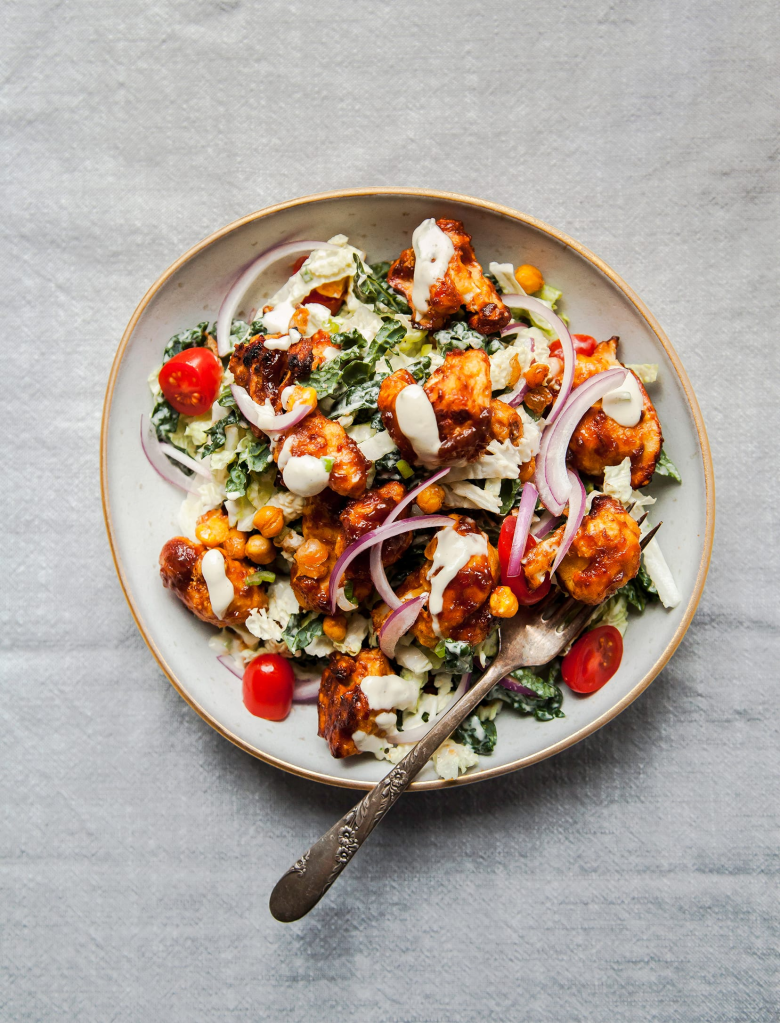
This heat wave makes me want salad after salad, but sometimes I want to spice it up. This Napa and Kale Slaw is the perfect salad for this week’s box. It combines crispy napa cabbage and earthy kale, with chickpeas and breaded cauliflower. Then everything is tossed in a creamy and spicy jalapeno ranch. Adding cucumber, carrot, or green onion to this would be delicious. If you aren’t a fan of cauliflower, try swapping it for chicken, shrimp, or tofu.

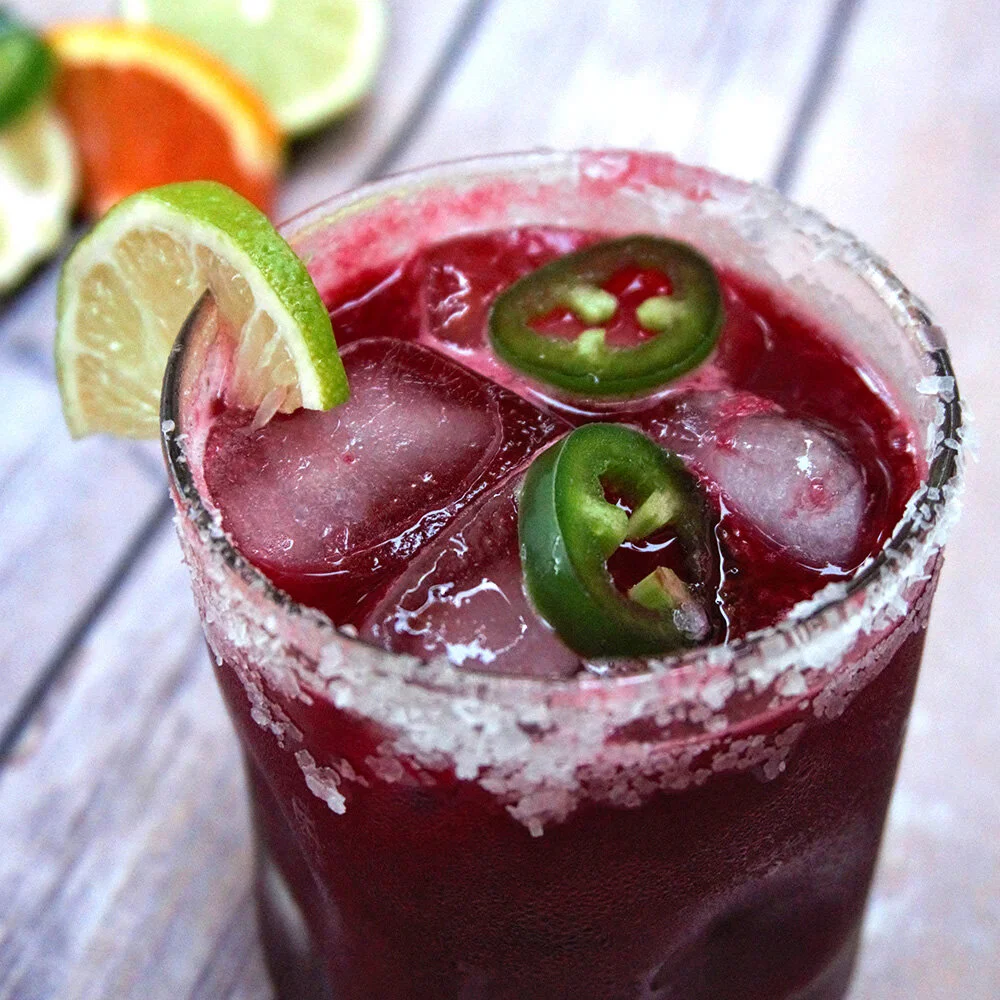
If you aren’t a fan of eating beets, but like enjoying an adventurous cocktail, check out these 7 beet cocktail recipes. Some are sweet. Some are earthy. Some are spicy. All of them feature beets in a creative way!

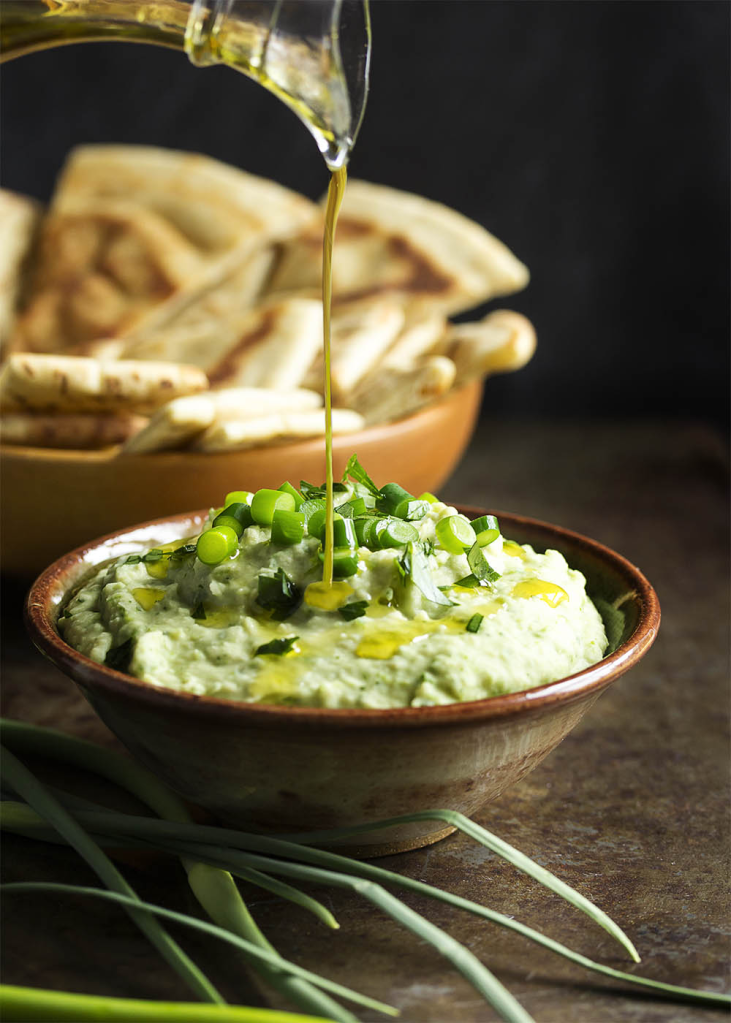
Garlic scapes can be used just like you would regular garlic. Some of my favorite ways to use them are in scrambled eggs, on top of pizza, or in this scape and white bean dip. This dip is wonderful with fresh veggies (like those carrots and cucumber in your box), crackers, or warm bread.

For the farm crew,

Jennifer