Summer 2026, Week 12

We know with school just around the corner, many of you are thinking about fall. Over here, we’ve skipped straight to thinking about winter. Winter CSA shares to be more specific. If you haven’t already, now is the time to sign up for your winter CSA share! It’s a monthly delivery, for 6 months (November- April). Your box is filled with all the classic storage crops: cabbage, beets, garlic, potatoes, carrots, parsnips, onions, and rutabagas with a few extras on either end of the season like greens mix and celery. It’s a great way to keep getting farm fresh veggies throughout the colder months. You can sign up via this link that will take you directly to the CSA Shares page on our website, or you can log into your CSAware account and purchase a share that way. Please note that in the Winter, we offer more than one type of share. You might want to read through the descriptions to see if a half share, full share, or picky eater share is best for you.

This time of year on the farm is what I think of as “cruising altitude”. We spent all spring seeding, potting, planting, repeat. This happened over and over for weeks. Then we continue doing that while also beginning to harvest things. This is a little chaotic at times while we navigate all the moving pieces to ensure everything gets done.

Once October and November hit, we will be racing mother nature to ensure everything gets out of the field before the ground freezes or snow falls. This is one of my favorite times of year! You get to see all your hard work, packed into pallet boxes, and tucked away for the winter months. It’s non-stop motion, but it’s also really fun in its own way.

Before we get to the chaos of fall harvest, we sit in “cruising altitude”. There aren’t any new plants to get in the ground. We aren’t trying to juggle three schedules at once. Our crew has gotten into a rythmn with daily harvesting. Everyone knows how to harvest their crop, and is knowledgable about it. It feels like all the pieces have fallen into place. Our tray tables are down, our headphones are in, and we are cruising to fall harvest!

In your box this week:

Carrots – Green Beans – Onions – Garlic – Lettuce – Dill – Cilantro – Celery – Canteloupe – Bell Peppers – Zucchini – Tomatoes

Most of us eat our melons on their own. If you’re looking to spice it up a little, this Cucumber and melon salad is a great way to do that. It mixes the sweet melon with crunchy cucumber and spicy arugula. So many wonderful flavors and textures! If you aren’t a fan of arugula, you could swap it out for some of the lettuce in this week’s box.

If you’re looking for a quick side dish this week, check out these Roasted Green Beans. They have so many savory flavors going on thanks to the garlic, pine nuts, dijon, and cheese. This is also a wonderful way to use up some basil if you still have some leftover from last week.

This salad is the perfect bridge between Summer and Fall. The crisp celery, fresh herbs, and briny olives are perfect for a summer day. The anise flavor of fennel, and the toasted walnuts, bring in those cozy autmn flavors. This would be wonderful paired with chicken or white fish.

For the farm crew,

Jennifer
Summer 2026, Week 11

Last week was a big week on the farm. We started delivering carrots to various locations in the Duluth area, we got all our garlic harvested, and the curing process has begun, and we harvested baby carrots. 

We know many have been asking about where you can find our carrots. Up to this point in the season our CSA members have gotten exclusive access to our early crop, but now our carrots are back on shelves at both Duluth Co-ops, Kenwood and Cloquet Super One (Plaza and Lakeside soon), and Carlton Meat and Grocery. If you take a trip up to Grand Marais, you will soon find our carrots back on the shelves at the Cook County Co-op. 

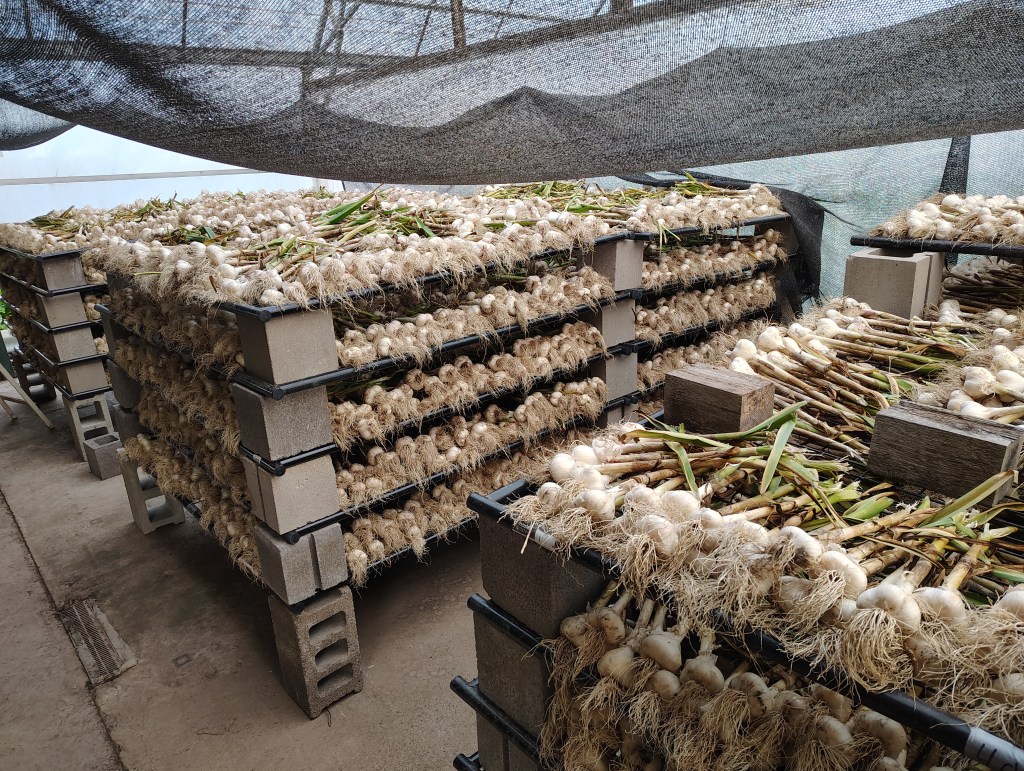
Garlic can be eaten straight out of the ground. It has a mild flavor, and a subtle sweetness to it. The papery outside is still damp and not protective, so the garlic only lasts for a week or two before it will start to rot. This is why we cure our garlic. The curing process is where we spread out all the bulbs, and use fans to fully dry the protective paper. This process not only makes the garlic last for months, it also enhances the sharp garlic flavor. You’ll soon be seeing it in your share boxes.

At the end of the week, we got our first round of baby carrots out of the field. This means even more delicious produce will be hitting grocery store shelves very soon. 

This week will be spent doing lots of harvesting. Most of our vegetables seem to be hitting peak abundance right now. It’s also the time of year where we start harvesting some crops so we can till the field and plant a cover crop. If we sneak it in within the next month, a cover crop will still have time to grow before we lose too many sunlight hours.

In your box this week:

Tomatoes – Bell Pepper – Jalapeno – Carrots – Cucumber – Zucchini – Basil – Green Beans – Red Cabbage – Cilantro – Onions

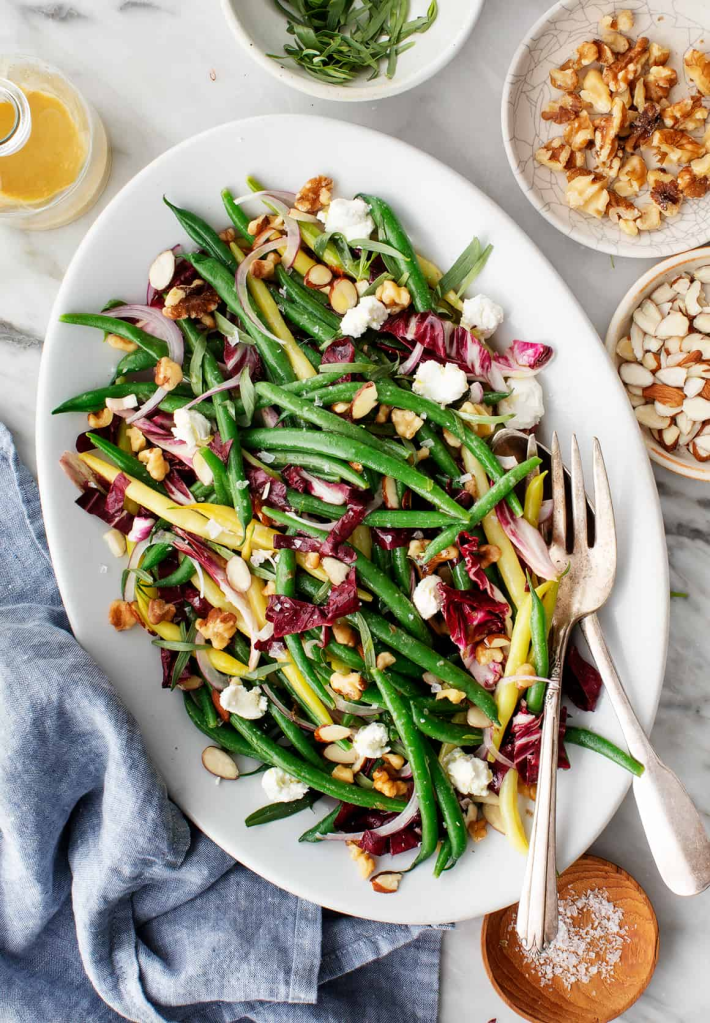
This green bean salad is a fun summer side dish. It’s got crispy green beans, crunchy nuts, and creamy goat cheese. The recipe calls for radicchio, but you can easily substitute some of the red cabbage in your box. It won’t have the same bitterness that radicchio does, but it will have a similar crunch, and add beautiful color.

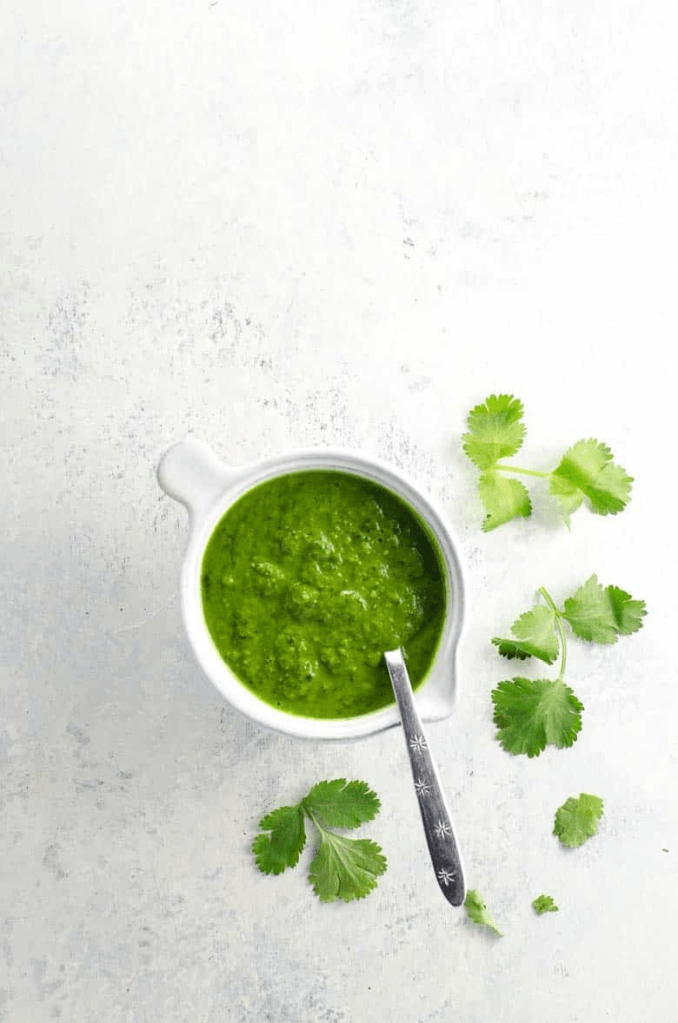
This cilantro sauce recipe is a bright and versatile sauce that is perfect for summer. If you’re feeling a little spicey, try adding in some jalapeno. This sauce is perfect on top of steak, chicken, fish, tofu, or beans. It’s also delicious as a salad dressing.

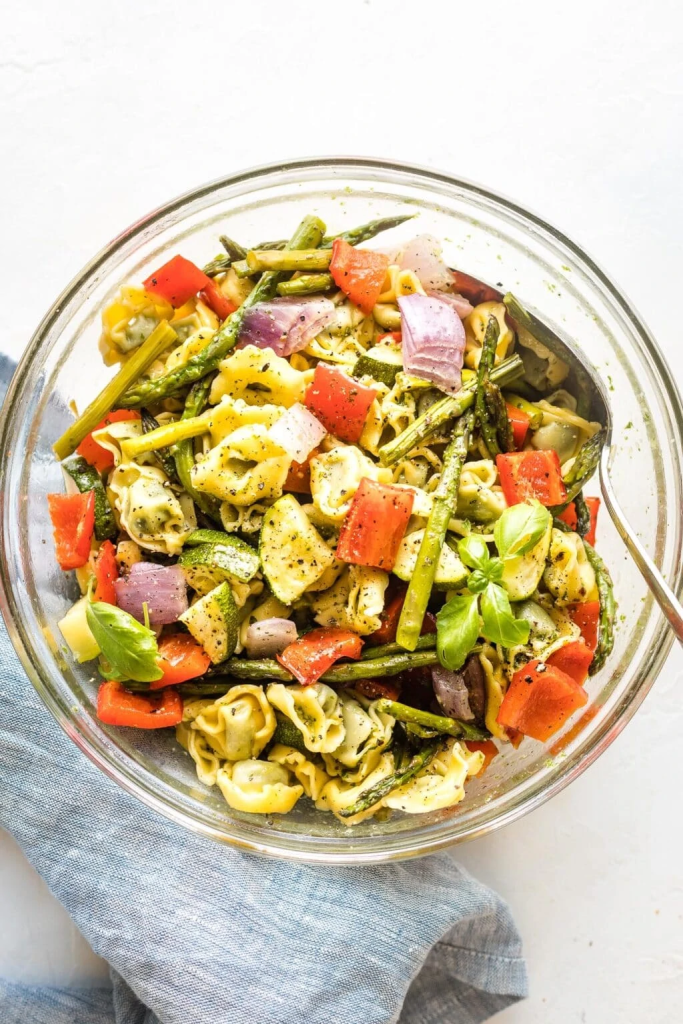
This tortellini with roasted veggies, is my go to “fancy” pasta salad. I call it fancy because there’s no mayo, and it uses tortellini which is arguably the fanciest of all pastas. It’s a great way to mix and match both veggies and flavors. The recipe gives you a great start on what to add to the pasta, but feel free to play around with whateve vaggies are in your fridge.

Summer 2026, Week 10

This week started off just like most weeks. We were weeding our little hearts out. Then all of a sudden, the end of the week appeared, and it was big decision time. Do we harvest garlic, or do we harvest carrots?

Ultimately, we decided to harvest carrots last week. We are way too excited to see those beautiful carrots on grocery store shelves, we couldn’t stand to wait any longer.

This meant breaking out and dusting off our carrot harvester. This hasn’t been used since we harvested our final box of carrots last fall. You might be asking, then how are those delicious carrots in my box being harvested? To that we say, lovingly by hand! Until now, every item in your box has been lovingly harvested by the hands of our hard working crew and volunteers. Each pepper, tomato, broccoli crown, cucumber, snap pea, etc. has been picked by hand. That means a lot of time, attention, and love has gone into ensuring that only the best produce ends up in your box.

The way our carrot harvester works is, a plough loosens the soil around the carrots. Rubber belts grab onto the top of the carrots, and it rides up a pulley system. Once it reaches the top of the pulley, discs work to slice off the tops. The carrot then fall onto a conveyor belt, and the tops get dropped back into the field. Once on the conveyor belt, our crew tests how fast their hands can move. Their job is to sort out any tops, weeds, or bad carrots…as the carrots go wooshing by at a fast speed. Once the carrots reach the end of the conveyor belt, they drop onto a fall breaker (a piece of fabric that helps to soften their landing so they don’t break), and into a pallet box. Once the pallet box is full, it gets taken down to our washing station.

Once at the washing station, the carrots are dumped from the pallet box onto a conveyor belt. This conveyor belt moves slower than the one on the harvester, so the carrots go through their second round of sorting here. Once the carrots reach the end of the conveyor belt, they are dropped into our barrel washer. This is basically a giant washing machine for veggies. The carrots spin around while water shoots down to clean them off. Once the carrots are clean, they drop onto an inspection table. This is a table with a bunch of rollers to rotate the carrots. This stage is when the carrots go through their final stage of sorting. They’re now clean, and the rolling table allows the crew to inspect all sides of the carrot. Once the carrots get the Food Farm stamp of approval, they drop into a new pallet box where they will stay until they get packed for their final destination.

Since carrots were taken care of last week, we get to spend this week harvesting garlic!

In your box this week:

Green Beans – Beets – Carrots – Jalapenos – Green Bell Peppers – Zucchini – Onion – Cucumber – Greens Mix – Tomatoes

This is the time of year where people seem to have too much zucchini. One of my favorite ways to use up extra zucchini is to make this Lemon Zucchini Cake. It’s super moist, and very light. I especially love it because you can make a bunch of these, and pop them in your freezer to save for the winter months when you want a little taste of summer.

This one may seem like an unlikely pairing, but the Summer Beet and Tomato salad is so good. The beets add a little sweetness to balance the acid from the tomatoes. Mix and match your favorite herbs. Then top it all with cheese. A delicious salad that is Summer on the plate.

We gave you big bunches of basil last week. If you still have some leftover, this Black Pepper Jalapeno Chicken Recipe is a great way to use some of it up. This dinner is also a quick and simple way to use up your bell peppers and jalapeno. You can adjust your heat preference by using more or less jalapeno. Our jalapenos are very spicey, so I’d reccomend stating with a little and tasting before you add more.

For the farm crew,

Jennifer
Summer 2026, Week 9

Time really flies when you’re having fun. Somehow we’re already in August, and this week marks the halfway point of our Summer shares. Feels like just yesterday we were filling the first box of the season.

Janaki has been taking some well-deserved time off of the farm. While he’s away, the crew is hard at work trying to beautify the farm for his return. What does this mean? Weeding, weeding, and more weeding! Every time we turn around, new weeds have popped up.

When we aren’t weeding, we are hard at work harvesting. It seems the crops were being shy the last few weeks, but we are about to enter veggie abundance. On the farm, we do what’s called succession planting. This is where you plant a vegetable, then a few weeks later you plant it again. You do this over and over until you have as much of a vegetable planted as you want. Sucession planting allows you to have a continuious stream of one vegetable. We do this with a lot of our crops. Cucumbers get 3 plantings to ensure they last for most of the summer. By the time the first planting of cucumbers is starting to slow down, the third planting is producing sizeable cucumbers. We do this with lettuce and broccoli as well. This is how these vegetables are able to keep showing up in your box week after week.

Sometimes we do a succession planting as a way to slowly bring on a crop, and eventually have it reach abundance at the peak of the season. We mostly do this with zucchini and basil. It slowly brings on the crop which is great for getting it into your CSA boxes, without overwhelming the crew. Then the next succession reaches its peak, and we suddenly have enough to start sending to wholesale or sending as preserving shares. The timing of each seeding and harvest has been carefully planned throughout the years. However, every once in a while, the crops and mother nature have a different plan. This year is one of those times.

The first planting of our zucchini wasn’t getting pollinated properly, so it took a while for it to produce useable fruit. The second planting of zucchini got pollinated well, and started producing useable fruit from the very beginning. Unfortunately, this means that the first and second plantings were producing useable zucchini at the same time. Cue zucchini mayhem! Our basil decided to do a similar thing this year. The first planting matured on schedule. The second planting shot up, and matured very quickly. We suddenly have basil abundance…and two more plantings starting to germinate and grow.

A bee filled with pollen came to visit our zucchini plants

This talk of basil abundance is a great reminder that if you ordered a basil preserving share, keep an eye out for communication from Catherine on scheduling a day to get your basil. We want to make sure everyone gets their preserving share when the plants are looking their best. The plants are so happy, and the basil is beautiful right now.

In your share this week:

Lettuce – Cilantro – Basil – Cucumber – Zucchini – Kale – Carrots – Green Onions – Tomatoes

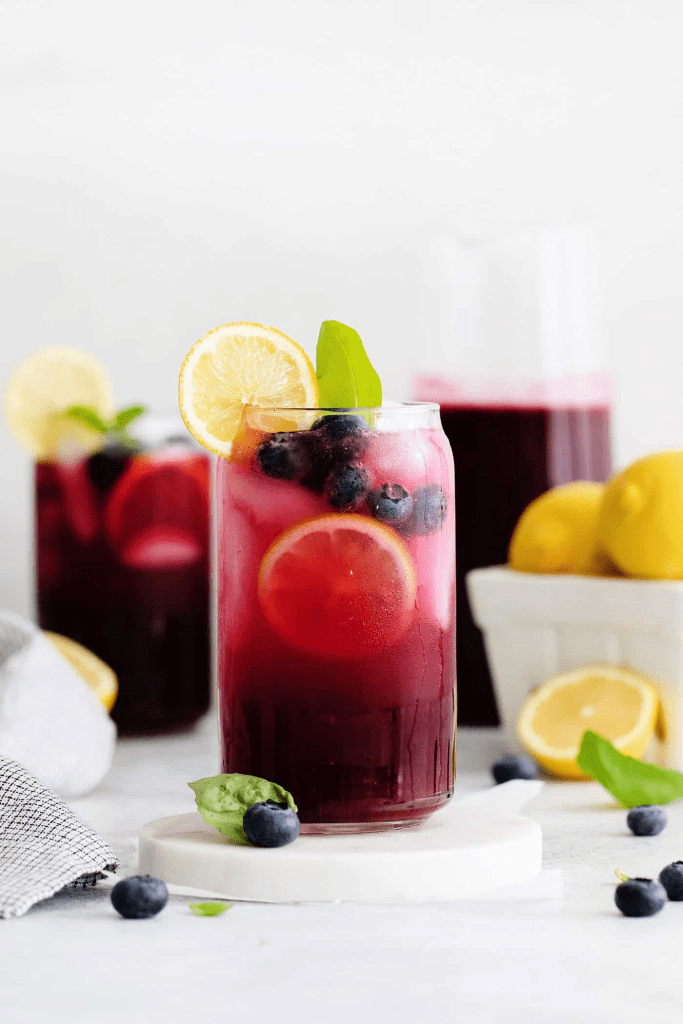
Blueberries are in season right now, and this Blueberry Basil Lemonade is the perfect thing for a hot summer day. It’s not too sweet, but it’s very refreshing. Raspberries are also in season right now, and are excellent in this in place of the blueberries. If you have some strawberries leftover from earlier this summer, you could try that too. Basically any berry mixed with basil, makes an incredible lemonade.

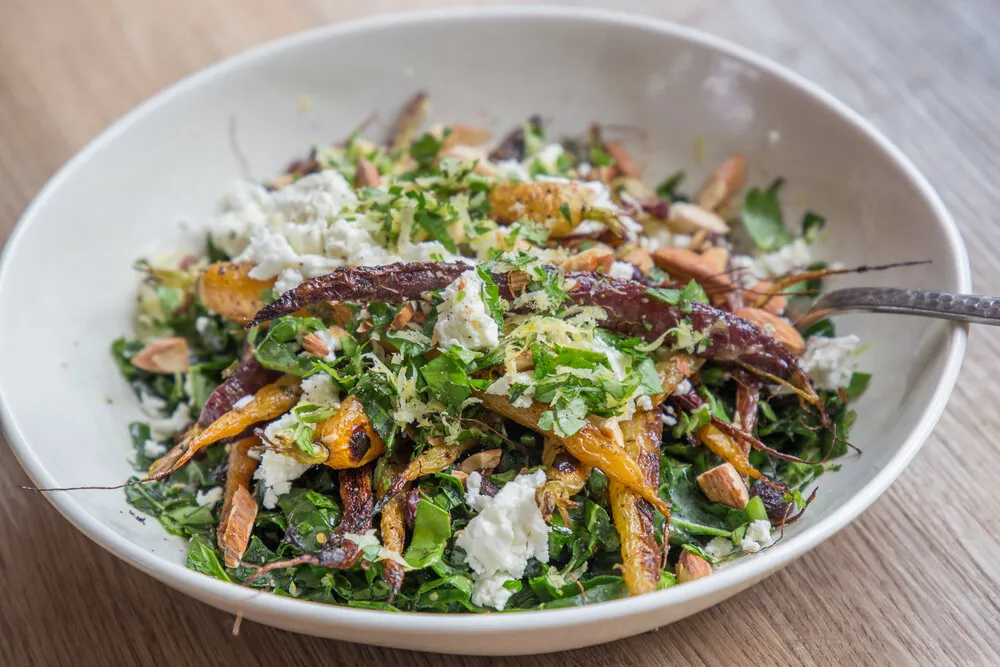
With Summer winding down, I’m eating all the fresh veggie salads I can. If you’re looking for a fun way to use your carrots and kale, try this Lemony Roasted Carrot and Kale Salad. Bonus, it uses parsley! If you still have parsley hanging out from last week, this is a great way to use it up.

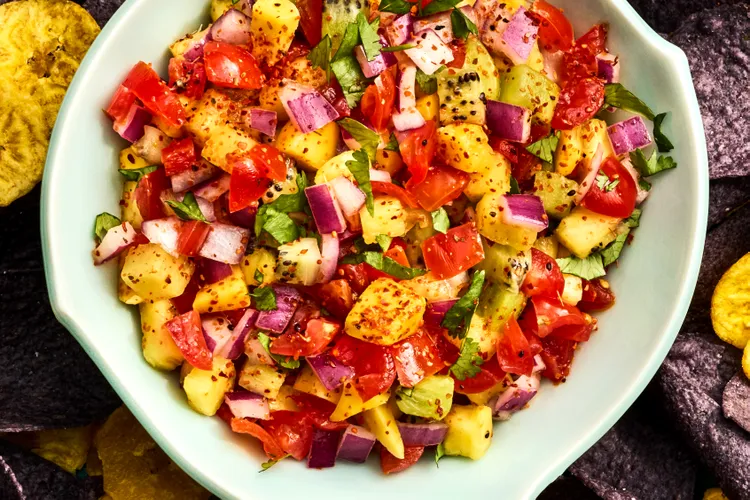
This week’s box is begging for a salsa to be made. I love this Mixed Fruit Pico de Gallo when I want something that isn’t as tomato heavy. The juliets or the slicer tomatoes would work great for this recipe. swap out the fresno chili for the jalapeno that’s in your box. Serve it with chips, on fish tacos, or just eat it by the spoonfull.