April Winter Share

April is here…Spring is sort of here…and just like that, the Winter CSA season is officially over!

April is crunch time here on the farm. Janaki is finalizing our planting map so we know which crops are going in which fields. We are keeping a close eye on the extended forecast to know when it’s safe for us to begin planting out our cool weather crops such as broccoli, cauliflower, and cabbage. As of right now, it’s looking like these might get planted next week! Dave and Catherine have been busy in the greenhouse getting lots of seeds started. We have onions, brassicas, and greenhouse tomatoes all started and growing like crazy. Teri and I have been busy in the pack shed sending out the last remaining vegetables to our retail partners. We’ve also been organizing things, and putting away our winter items in preparation for Spring deep cleaning to start in the next few weeks.
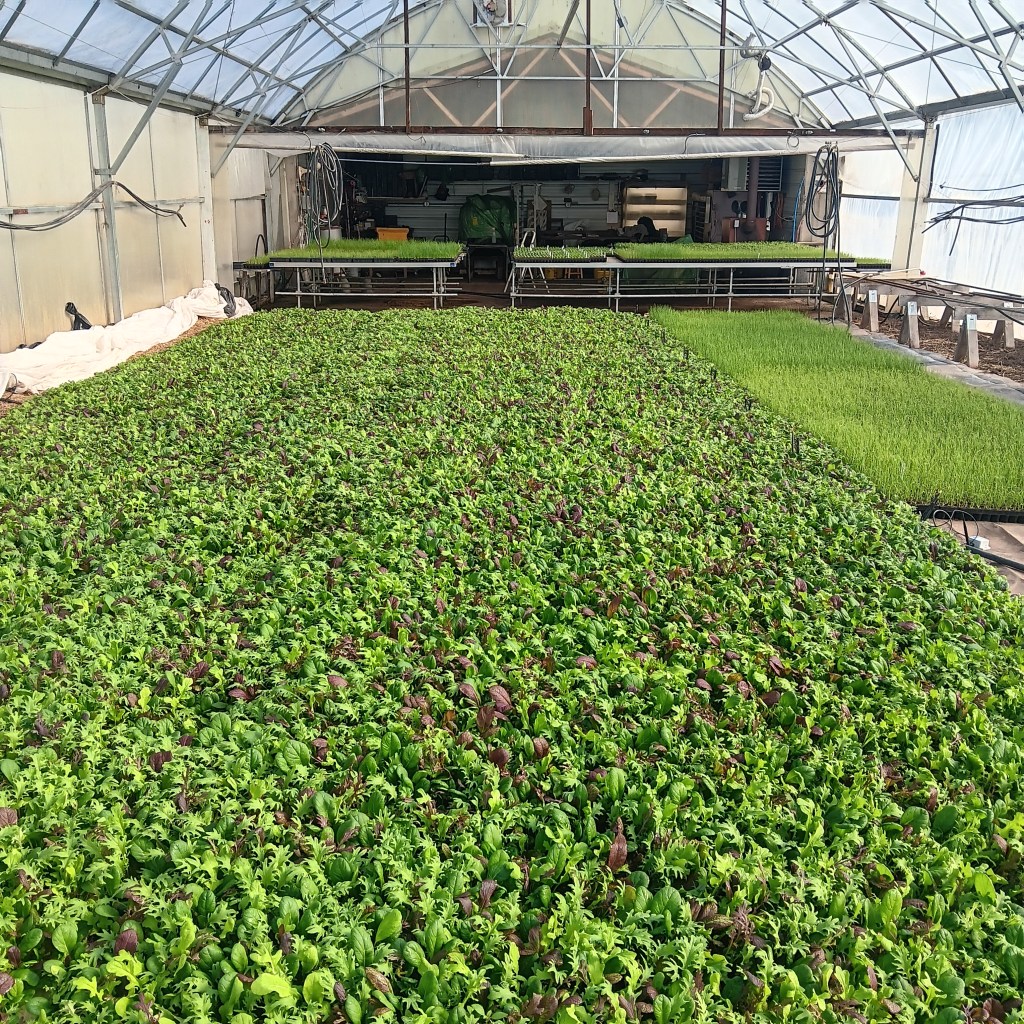
Greens mix ready to harvest

Conversations are happening about when the new chicks will be arriving, we’re testing out new methods to hopefully streamline some of our pack shed processes, and we’re discussing and planning for farm improvements. Things never stop around here!

The next few weeks will be especially busy. We’ll start welcoming back crew members who spent their Winter off the farm, we’ll get to welcome a few new crew members, and the greenhouse will get even more full. We have plans to hopefully get brassicas in the ground next week, and onions by the end of the month. Green onions and carrots for early summer shares will get started in a high tunnel in the next few days. Another round of brassicas and outside tomatoes will get seeded today, and later successions really test the capacity of our germination chamber. Seed potatoes will be arriving the end of next week and will keep the crew busy for a few days as they cut and prep all of the potatoes for planting.

The busyness and excitement are felt all around the farm. We’re all ready to break out our Summer clothes, get our hands back in the dirt, and start soaking up some sunshine again. In order to enjoy all of these things, we must also say goodbye to slow mornings, enjoying our coffee while it’s hot, spending entire days in our pajamas, and saying, “We can deal with that later.” We also have to say goodbye to root vegetables and all the hard work that the 2024 crew put in to ensure we could have a bountiful and successful Winter CSA. I always imagine that this hello-but-goodbye-energy is why we try our best to get fresh greens mix in your last Winter CSA box. It’s the perfect way for us to say, “Thanks for enjoying all of our hard work from last year, now get ready for all the hard work and deliciousness of 2025.”

It’s important for us to always remember that we wouldn’t be able to do any of this without your support. Thank you for believing in us, and supporting us through the Winter. A huge thank you to all of our site hosts who kept the veggies safe and warm through the bitter cold. Thank you to all of our volunteers who bundled up every month to help lovingly pack each share. We’re sad to end the Winter CSA, but we hope to see all of you again next Winter…or in just a few weeks if you were lucky enough to snag a Summer Share before they sold out.
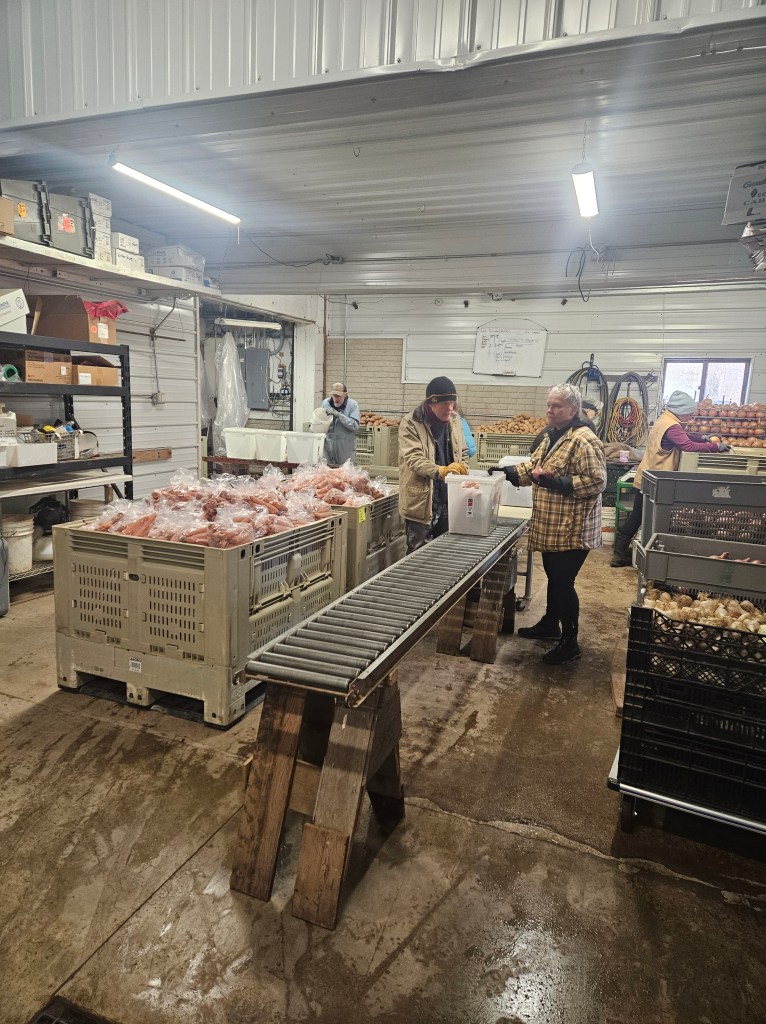
Our amazing packing crew boxing up the final Winter share

In your share this month:

Orange Carrots – Purple Carrots – Greens Mix – Rutabaga – Russet Potatoes

Yellow Potatoes – Baby Red Potatoes – Onions – Shallots – Garlic – Beets
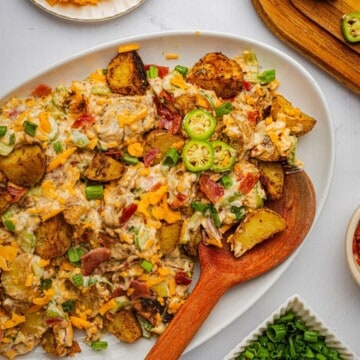
This jalapeno popper potato salad from Happy Honey Kitchen Is a spicy take on a classic potato salad. It’s a great recipe for this month because you can use yellow potatoes, red potatoes, or both.

If you’re looking for a more adventurous way to eat your rutabaga this month, try out these tacos from Bon Appetit. The recipe tells you to top the tacos with a mix of kale and watercress. You could substitute some greens mix to further you use up things from your box this month.

If you aren’t ready for salads but need a creative way to use up your greens mix, try this quiche recipe. Your greens mix is delicious fresh or cooked up, so feel free to swap out the spinach or the chard, for greens mix.

For the farm crew,

Jennifer
January Winter Share

Happy New Year! We hope you all had a wonderful holiday season, and are enjoying all the fresh snow.

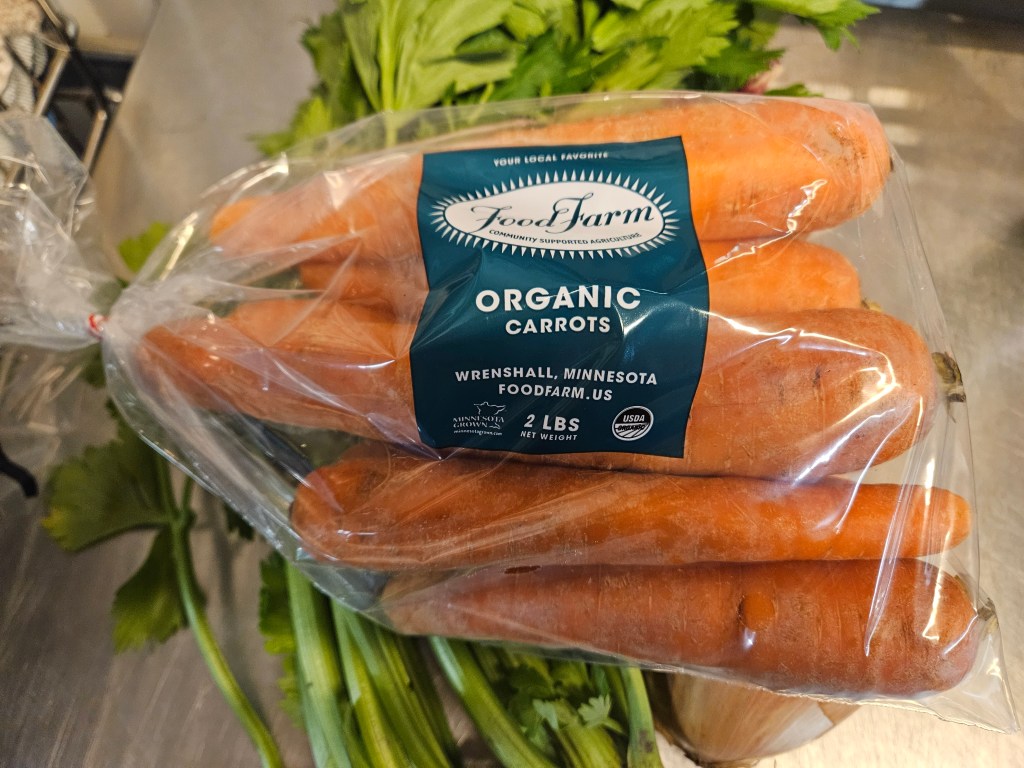
One of the big tasks over the holiday season at the farm is packing vegetables for our grocery store and restaurant partners. If you’ve recently visited one of the grocery stores in the area that stocks our produce, you may have noticed that our carrot bags have gotten an upgrade! We ran out of our old printed bags last spring and have been putting individual stickers on bags while we waited for the new batch of printed bags to arrive. The new bags are slightly wider to make them easier to pack, and we made the size of the label smaller so it’s easier to see the carrots, and we simplified the logo and color scheme to reduce printing costs. They also have ventilation holes throughout the bag so the carrots don’t get too wet inside. It was quite a process, with a lot of back and forth with printers, including a misprinted batch of 50,000 bags (yikes!), but the crew is excited to not have to do so much stickering.

Last month I mentioned we had started ordering seeds already. The next few months will be filled with more crop planning, research, and lots of learning. Last week, Janaki was talking with one of our seed reps to discuss a new variety of zucchini. A seed rep works for a supplier and their main goal is to sell seeds to farmers, but they also provide additional knowledge and support as well. Most large seed companies will also assign reps to only work in certain regions or states that way they can be extra knowledge about a farmer’s specific growing zone and conditions.

The variety of zucchini we have been growing for a while has been discontinued. This meant research to find a suitable replacement. Janaki mentioned to our Johnny’s Seed rep that we struggled with proper pollination last year. Our rep recommended a new variety that has better pollination rates especially early in the season when pollination rates are usually lowest. The rep then went one step further and also sent along information about how to enhance habitat for the specific pollinators that target zucchini.

We were worried that part of the poor pollination last year was due to the fact that all of the bees seemed to visit the melons we had planted in the same field, and skipped right over the zucchini. The information from our rep taught us that the honey bees visiting the melons are secondary pollinators of squash. The primary pollinators of Winter and Summer squash are squash bees, which are specifically attracted to squash. They live in tunnels at the base of the plants, they come out really early in the morning to collect pollen as soon as the flowers open, then they do the cutest thing of all, and take afternoon naps inside the flowers. The article gave us tons of info about the squash bees, how to protect them, and how to keep them coming back year after year. It is likely that the primary cause of poor pollination this season was the cool, wet start to the year, but hopefully the new seed variety and the information about squash bees, will improve our ability to cope with poor weather.

In your share this month:

Delicata Squash – Winter Sweet Squash – Rutabaga – Beets – Onions – Parsnips – Orange Carrots – Purple Carrots – Red Potatoes – Russet Potatoes

Honey Roasted Beets and Carrots

INGREDIENTS
4 medium carrots, diced
1 tbsp balsamic vinegar                                                                                                                    1 tbsp olive oil
2 tbsp clear honey
4 pre-cooked beets, quartered
25g pumpkin seeds (optional)
handful fresh herbs, such as parsley or basil to serve

1 : Heat the oven to 180c/gas 4.In a bowl, toss together the carrots, vinegar, honey and olive oil. Spread on a baking tray, then roast for 30 minutes.
2 : Remove 5 minutes before the end of cooking time, add the beetroot to the tray and return to the oven. Once cooked, remove form the oven and leave to cool a little, then toss with the pumpkin seeds and herbs.

Rutabaga Fries

Preheat the oven to 425°F and line a large baking sheet with parchment paper. Combine rutabaga fries with oil, paprika, garlic powder, salt and pepper on the prepared sheet pan, and toss until evenly coated. Arrange the rutabaga fries on the baking sheet in a single layer leaving space in between them. Bake for 30-35 minutes, flipping the rutabaga fries halfway through; until they are crisped on the outside and cooked through on the inside.

For the farm crew,

Jennifer

Summer CSA Week 17

Last week was all about garlic and squash. 

The end of September marks garlic sorting time. This is when a few lucky crew members get to sort through each of the garlic bulbs to decide if they will be used as seed garlic, or if they will be sent to shares or sold. Last year we planted over 6,700 cloves of garlic. Every clove that you plant gets turned into a bulb that you harvest. That means over 6,700 bulbs of garlic were sorted one by one. We look at each bulb to see how many cloves it contains, the size of the cloves, and the overall appearance of the bulb. When looking for garlic that will be used as seed for this year, we look for bulbs that have 4,5, or 6 cloves in it. Any more or less and the bulb gets sent directly to the shares/sell pile. Once we’ve counted the cloves, we look at the size of each clove. We want the largest cloves that we can find. This is for 3 main reasons: 1) larger cloves have more energy in them to help the plant gets started. We don’t want the plants struggling and stressed from the very beginning. 2) larger cloves produce a stronger root system early in the growing season. This can improve their ability to access water and nutrients from the very beginning. 3) larger cloves are more resistant to frost. This allows them to better withstand our cold Minnesota winters, and it helps them recover more quickly if they do get a little too cold. For those reasons, anything with small cloves will get put in the shares/sell pile. 

As we’re looking at the size of the cloves, it’s also important to make sure that we are choosing bulbs with similarly sized cloves. If they are all different sizes, they have the potential to grow and mature at different rates. Since we are growing such a large amount, making sure everything is growing and maturing at the same rate is very important. 

The final inspection is the overall look of the bulb. We look for any signs of disease, internal mold, improper drying, and any other abnormalities. These all get pulled out and set aside for further inspection. planting bulbs with any of these “imperfections” could result in the cloves not germinating, or in them spreading disease to the soil and/or other garlic plants. We always prefer to be cautious and not chance it. 

Once we have all our garlic separated into the two piles, we then do the math to figure out how many cloves we will need for planting. We figure out the length of the fields, how many beds we plan to plant, how far apart each clove will get planted, and possible increase or decrease in crop yield. I say we as if all of us are doing this math, but in actuality, Janaki does all of this math for us so only one person has to hurt their brain crunching all the numbers. Thanks to all of your interest in our garlic preserving shares this year, and the fact that we are planning to plant on a longer field than last year, we increased our seed number by 15%. This means at the end of October, the crew will hand plant over 7,700 cloves of garlic. Anything not deemed seed quality, got set aside to be sent as preserving shares or will be saved for winter share deliveries. In past years we’ve also sold a fair amount to restaurants and other local outlets, but this year that’s not possible because we’re saving extra seed. 

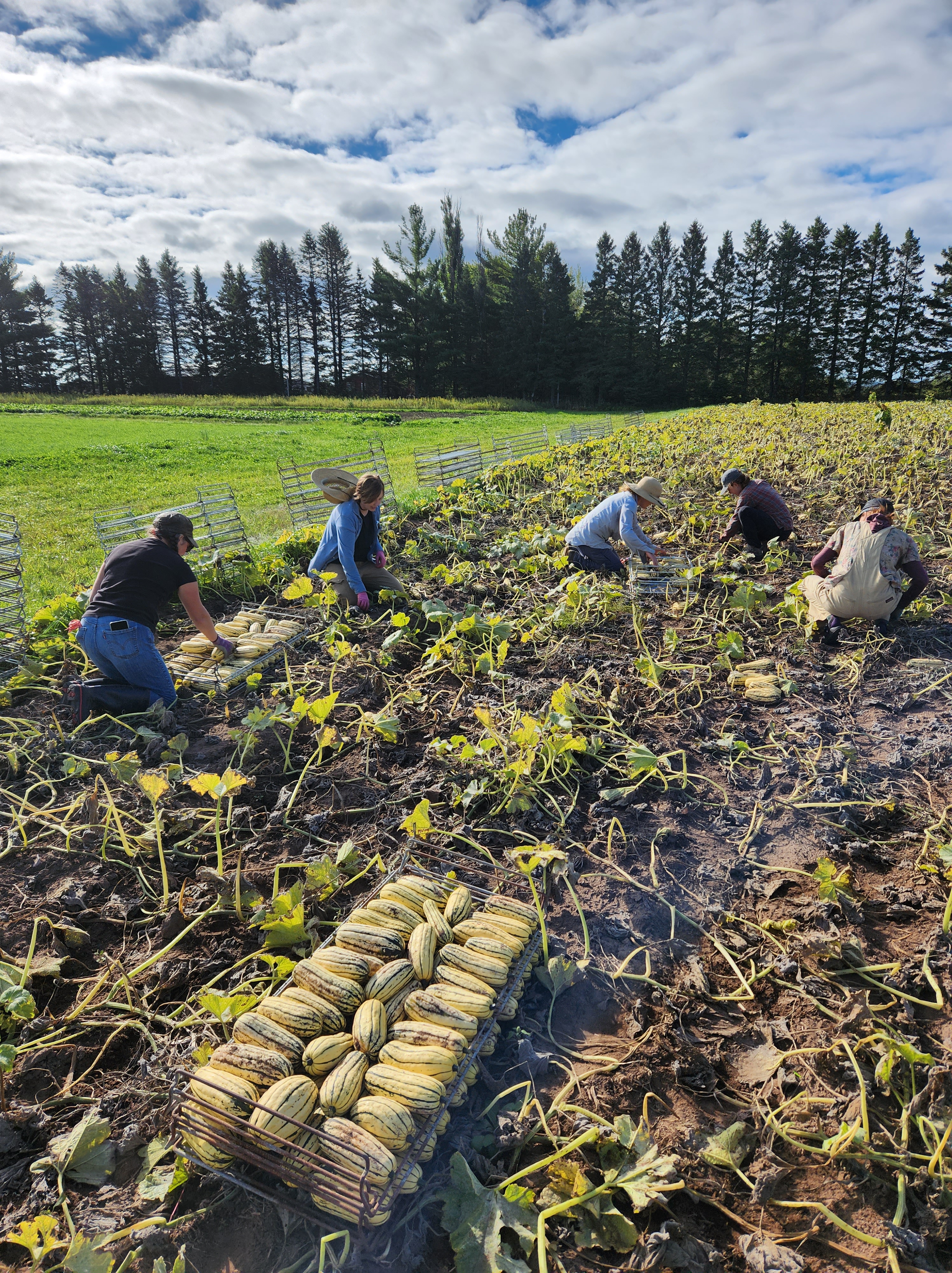
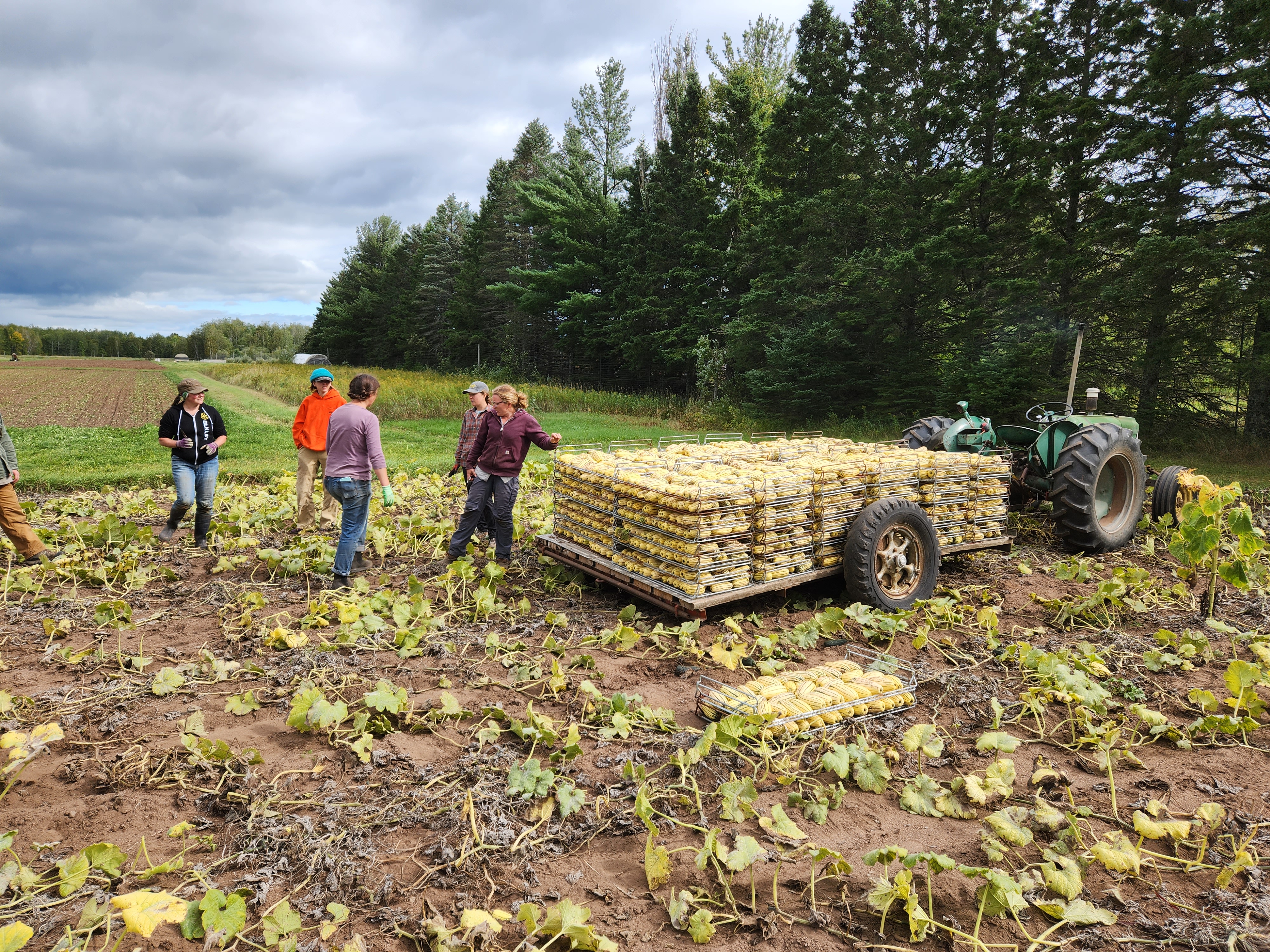
As the same time garlic sorting was happening, the rest of the crew was out getting all the winter squash from the fields. This meant clipping, throwing, stacking, loading, unloading, counting, and organizing thousands of squash. This is a long process because 1) it’s a lot of squash! 2) the Squash are split into different fields. One is on the main part of the farm, and the other is across the road. We had all the delicata, acorn, and some sunshine squash on the main part of the farm. The delicata made up the majority of this field since it’s the squash we will send with every winter share until we run out. This is also the popular seller to local businesses, and a favorite for most of the farm crew, so we plant quite a bit. Across the road was the rest of the sunshine, the kabocha, and all of the pumpkins. 

It was a lot of work, but we got all the Squash and pumpkins out of the field by the end of the work day on Friday. Now we begin the curing process for most of the squash so they will stay fresh through the winter months. As for the pumpkins, those get to go home with all of you this week! As you’re carving your pumpkins, feel free to share these fun facts:

-the first vegetable to be carved into a Jack o’lantern was actually a turnip

– Pumpkins need honey bees to pollinate their flowers. The more honey bee visits a flower gets, the more perfect the pumpkin will be

– pumpkins are grown on every continent except Antarctica

In your share this week:

Hot Peppers – Red Peppers – Northeaster Pole Beans – Basil – Carrots – Celery

Onion – Potatoes – Rutabaga – Spinach – Winter Squash – Tomatoes

Salade Nicoise 

3-5 medium potatoes

1 cup your favorite vinaigrette (mustard vinaigrette is delicious for this!)

3 cups fresh green beans (cut the Nor’easters on the diagonal)

1 head butter lettuce or spinach

3 ripe tomatoes, quartered

1 cap of canned tuna (optional)

3 hard boiled eggs, halved

1/2 cup Mediterranean style olives

Fresh herbs

Boil potatoes until just tender.  Drain and rinse in cold water and slip off the skins.  While still warm, cut into 1/8″ slices and gently toss with about 1/3 cup of the dressing.  Just before serving, toss greens with vinaigrette and arrange on a platter.  Arrange all the other ingredients in clusters around the platter, drizzling on the remaining vinaigrette.  Dress the salad with the fresh herbs and serve.

NOTE:  you can add any veggie to this salad– carrots, celery, and peppers add depth and color

Rutabaga Hash

  • 22 ounces rutabaga, peeled and diced (about 1 large rutabaga)
  • 6 ounces green cabbage, chopped (about half a head of green cabbage)
  • 1 leek, cut into strips (white parts only, green stems removed)
  • 3 tablespoons avocado oil (or any cooking oil or butter)
  • 1 teaspoon salt 
  • ½ teaspoon black pepper 
  • 1 teaspoon Italian seasoning 
  • 8 ounces bacon, cut into pieces
  • basil for garnish

  • Preheat your oven to 425°F. Add avocado oil, followed by rutabaga, cabbage, leeks, and bacon to the cast iron skillet.
  • Season with salt, pepper and Italian seasoning. Mix until well combined.
  • Roast in the oven for 25 minutes, then take the veggies out, and mix around before returning to oven for another 20-30 minutes, because you want all the vegetables to get a little crisp on them.
  • Finally, garnish with basil if you want, then eat!

For the farm crew, 

Jennifer 
March Winter Share

It’s the second to last winter CSA delivery and the farm season is just around the corner!

🌱 Greenhouse Delights: There’s an unmistakable magic in the revival of the greenhouse scents, which is where the crew has gotten to hang out more and more recently 🙂 Our first planting of onions are just starting to poke out of the potting soil, with subsequent plantings not far behind.

🥕 Carrot Countdown: I am not 100% sure how many pounds of carrots we bagged up this winter, but I do know it was a lot! When the winter began, the root cellar was packed to the ceiling with pallet boxes of them… I mean packed, you could barely move around in there. Now there is but a few pallet boxes remaining and most of them will be reserved for the final CSA delivery in April. This means that this is the last week you will find our carrots in local restaurants and stores!


In Your Share This Month:

Beets – Green Cabbage – Purple and Orange Carrots – Onions – Shallots

Parsnips – Fingerling, Baby Yellow, & Red Potatoes – Rutabagas


For the recipes this month, it’s back to basics… One of my favorite ways to eat root vegetables is to roast them in the oven with nothing but a little olive oil, salt & pepper. They can then be enjoyed as a side dish, thrown on salads for fiber & flavor, or paired with a tasty sauce… like the caramelized shallot & herb aioli recipe below.

When roasting, I’m typically a fan of potato skins, but the French fingerlings in this month’s share have a slightly rough texture. They remain delicious, but I do suggest peeling them this time round.


Roasted Root Vegetables

Ingredients:

Assorted root vegetables (such as carrots, potatoes, parsnips, Rutabaga, etc.)
Olive oil
Salt and pepper to taste

Directions:

  1. Preheat your oven to 425°F
  2. Wash and peel the root vegetables, then chop them into similar-sized pieces to ensure even cooking.
  3. Place the chopped vegetables in a large mixing bowl.
  4. Drizzle olive oil over the vegetables, using enough to coat them evenly. Toss the vegetables with your hands or a spoon to ensure they are all well coated with the oil.
  5. Season the vegetables generously with salt and pepper, adjusting the amount to taste.
  6. Spread the seasoned vegetables out in a single layer on a large baking sheet. Make sure they are not overcrowded to allow for even roasting.
  7. Place the baking sheet in the preheated oven and roast the vegetables for about 25-35 minutes, or until they are tender and golden brown, stirring halfway through the cooking time for even browning.
  8. Once the vegetables are roasted to your desired level of doneness, remove them from the oven and transfer them to a serving dish.

Feel free to customize this recipe by adding other seasonings or herbs such as garlic powder, rosemary, thyme, or paprika for extra flavor!


Caramelized Shallot & Herb Aioli by newinthekitchen.wordpress.com

Ingredients:

3/4 cup light mayonnaise
2 tablespoons freshly squeezed lemon juice, plus a pinch of zest
3 tablespoons fresh parsley, chopped finely
2 tablespoons fresh dill, chopped finely
1 tablespoon dijon mustard
1 teaspoon hot sauce (your choice of brand, we enjoy Cholula)
3 shallots, minced
Olive Oil
Salt and pepper, to taste

Directions:

1. Heat a saute pan with one tablespoon of olive oil over medium heat.
2. Add shallots and cooked until browned and caramelized, about 10 minutes.
3. Allow shallots to cool.
4. Meanwhile, combine mayonnaise, herbs, lemon juice and zest, dijon mustard, hot sauce, and salt and pepper to taste.
5. When shallots are cooled, add them to mixture. Stir to combine.
6. Allow Aioli to chill in the refrigerator for about an hour prior to serving to allow flavors to combine.


For the farm crew,

Charlie

January Winter Share

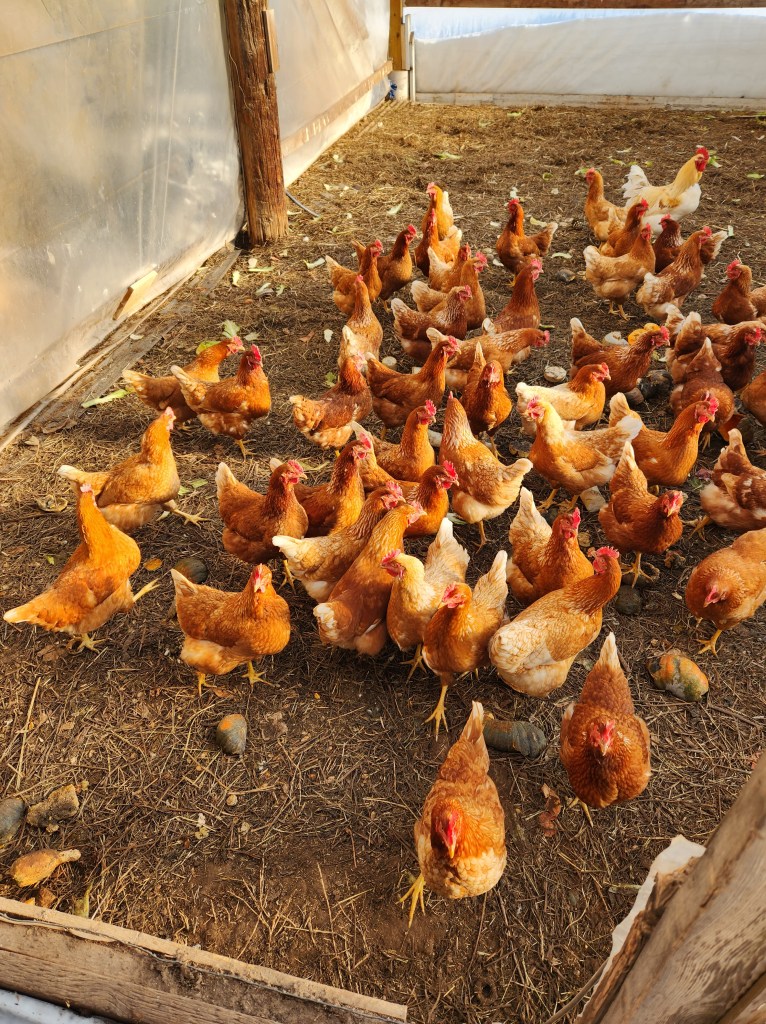
The chickens love feasting on reject squash and cabbage leaves!

Happy New Year!

After weeks of anticipation, the first real snowfall has finally graced the fields! While the gentle start to winter offered a break from the unrelenting snow removal that defined last year’s snowy season, there was an unanimous sentiment—it’s about time!

It’s been a whirlwind of activity here in the pack shed, and we can’t express enough gratitude for the support we’ve received from both our valued members and our partners in grocery stores and restaurants. Knowing that our vegetables are making their way onto the plates of our community brings us immense joy. It’s heartwarming to imagine our produce being shared among friends and families, becoming a part of the meals and moments that bring people together. We take pride in cultivating these vegetables and seeing them find their rightful place in the homes and gatherings of our community members.

Janaki is currently working on the budget and Catherine is prepping the signup software for next season, so we’re hoping to begin 2024 signups in about two weeks!


In Your Share This Month:

Chioggia Beets – Carrots – Onions – Parsnips – Yellow Potatoes

Baby Yellow & Baby Russet Potatoes – Rutabagas – Delicata & Winter Sweet Squash


This month, a trio of newcomers make their debut from storage in the root cellar: Chioggia beets, rutabagas and parsnips. I love to roast these all together with olive oil, salt, pepper and thyme. It makes a great side dish when fresh from the oven and leftovers are delicious when thrown into a salad. In my opinion, Choigga beets are the star of the show.

Chioggia beets, often referred to as candy cane beets, originated in the historic fishing town of Chioggia, Italy, just across the lagoon from Venice. These heirloom beets have a mild, sweet taste and slightly less earthy flavor compared to traditional beets. Whether enjoyed raw (thinly sliced, dipped in olive oil, salt, and pepper) for their visual appeal or cooked to showcase their flavor, Chioggia beets impress both the eyes and the taste buds.


Rutabaga Latkes (by Lisa Richards, CNC)

Latkes, or potato pancakes fried in oil, need not necessarily be made from potatoes. This recipe uses rutabaga with hemp seeds for added protein.

Yield: 10 latkes

1 lb. peeled, grated rutabaga (approx. 3 cups)
1 scallion, minced
1 egg, lightly beaten
1 Tbsp. coconut flour
3-4 Tbsp. raw, shelled hemp seeds
1 tsp. salt
Pepper to taste
A few gratings of fresh nutmeg
Olive oil for frying

  1. In a large bowl, add grated rutabaga, minced scallion, beaten egg, coconut flour, hemp seeds, salt, pepper and nutmeg. Mix well.
  2. In a large skillet, heat a good tablespoon of olive oil between medium low and medium heat. Working in batches of 3 latkes, spoon about 2 tablespoons of mixture per latke into skillet, spreading into 3 to 4 inch rounds and frying until the edges begin to brown. Flip and fry until other side is golden brown. Repeat with remaining latke mixture, adding another good tablespoon of olive oil to the skillet for each batch.
  3. When latkes are done frying, place in warm oven on wire racks on a rimmed baking sheet. This keeps latkes crispy until ready to serve.

Baby Russet Hash Browns

It wouldn’t feel right to send out baby russets without sharing our recipe for baby russet hash browns. Small russet potatoes have a low moisture content and a high ratio of skin to flesh, so no draining or precooking is required.

Baby russet potatoes (grated, as many as desired)
Oil or butter or both
Season to taste with salt and pepper

  1. Grate baby russet potatoes
  2. Heat a skillet or pan to medium heat and add a generous amount of oil
  3. Spread grated potatoes in a layer no thicker than one inch in the pan. Do not stir or agitate. Cover with a lid until the bottom appears toasted and crispy, then flip the hash browns. (This will likely need to be done in sections around the pan unless you’re just doing a small amount.)
  4. Add a little more oil / butter after flipping
  5. Once the 2nd side is toasted as well, season and serve!

Janaki’s favorite is to add some grated beets to the mix, but you could also try rutabagas, parsnips, or carrots, too. Feel free to get experimental with this one!


For the farm crew,

Charlie

Summer CSA Week 18, 2023

This is the last Summer Share of the season! Please remember to bring any empty boxes back to your pickup site by next Thursday, the 19th. Winter Shares begin on November 13th.

As the chill of autumn sets in, we find ourselves on the threshold of our last CSA distribution of the summer season. As with most endings, it’s a bittersweet feeling.

The CSA boxes are one of our most straightforward connections to the community. The weekly bounties we harvest, wash, package, and deliver give us an opportunity to share the farm with all of you – something we miss during the longer stretches of the winter.

This time of year also signals the ramping up of end-of-season chores! There’s lots to do on the farm to get ready for winter. A big part of our business is caring for and delivering storage crops throughout the non-growing months. The short break between summer and winter CSA gives us just enough time to pull the cabbage, beets, potatoes, daikon radish, rutabaga, parsnips, & carrots from the fields before they freeze!

A big thanks is also in order to all of the volunteers who helped us in countless ways throughout the season. With so much work still to go, I don’t want to start reflecting too early, but I think it is safe to say “Thank you so so much Patricia, Sandy, Betsy, Rollie, Deb, Diane, Pat & any other names I may be forgetting while typing this.” Your work is really appreciated!


In your share this week:

Beets – Brussel Sprouts – Green Cabbage – Carrots – Garlic – Lacinato Kale – Onions

Parsley – Red Peppers – Potatoes – Rutabaga – Winter Squash


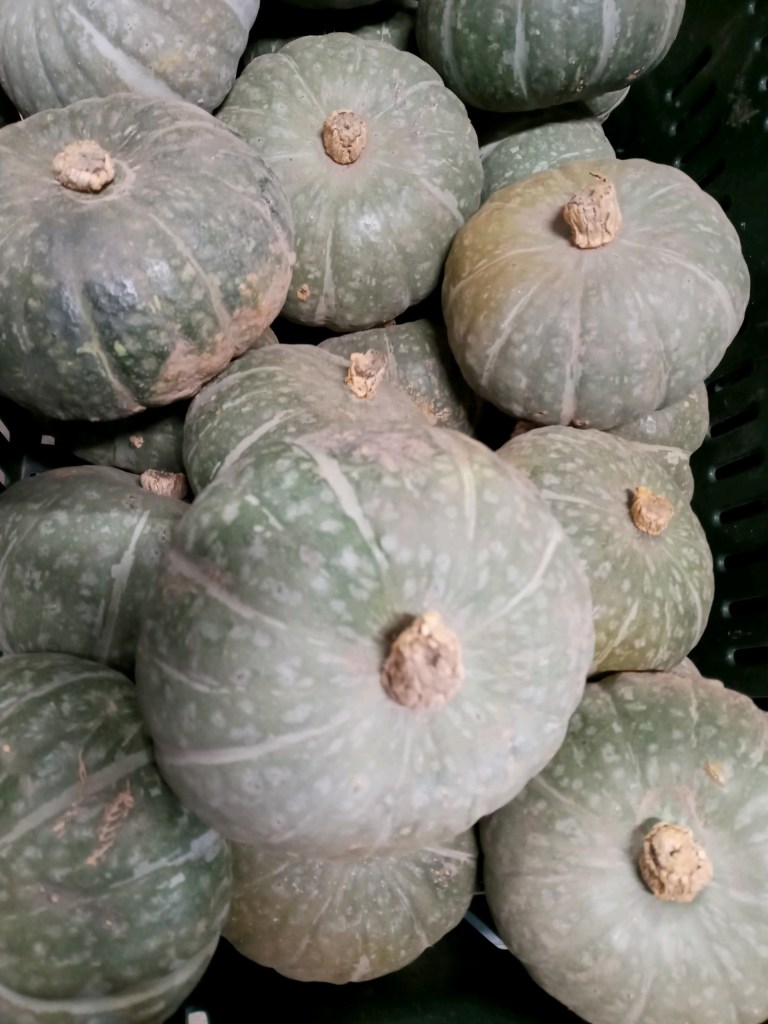
Now you’ve had some winter squash in your share this year, but this week will be your first time seeing green kabocha. You can think of it as a cross between a pumpkin and sweet potato. Its flesh has a sweet, earthy flavor that is denser and drier than the other varieties you’ve tasted this year. This makes it an excellent candidate for soups, stews & curries. It is quite dry right now, but should gain moisture as it cures over the next couple of weeks.

Also joining the lineup are tender brussel sprouts, small but mighty in flavor, and rutabagas!

Usually I am a strong endorser of leaving the skin on vegetables when eating. I do this in part for flavor, in part for valuable nutrients and fiber, but mostly out of laziness. Peeling can feel like an unnecessary chore… the worst kind. This year’s rutabaga is not quite as nice and smooth as usual, due in part to stress from our hot dry summer, and may benefit from being peeled.


Roasted Kabocha Squash Soup, from Simply Recipes

Yield: 4-6 Servings

1/2 large kabocha squash, seeded (about 3 to 4 pounds for the 1/2 squash)
2 1/2 tablespoons extra virgin olive oil, divided
Salt
2 cups chopped or sliced onions
2 ribs celery, sliced
3 cloves garlic (about 1 tablespoon)
1 (2-inch) piece fresh ginger, peeled and grated
1/2 teaspoon ground cumin
1 teaspoon ground coriander
4 cups chicken stock
2 teaspoons kosher salt
1/4 teaspoon black pepper
Lime juice, for serving
Chopped fresh cilantro, optional for serving

  1. Set the oven to 400°F.
  2. Roast The Squash: Use a heavy chef’s knife or cleaver (it helps if you have a rubber mallet as well) to cut the kabocha squash half into a few large pieces. (Kabocha squash is thick and meaty and can be a challenge to cut. So take care! Make sure the squash is stable on your cutting board before you start to cut it. You can create a flat side by shaving off a bit of the outside in one spot.)

    Scoop out the seeds (you can toast them like pumpkin seeds!) and stringy insides. Place the squash pieces on a foil, baking parchment, or Silpat-lined roasting pan. Rub 1 tablespoon olive oil over all sides, and sprinkle with salt.

    Put the squash pieces skin side up on the pan. Roast for 45 to 60 minutes until completely cooked through. The pieces should be soft and caramelized at the edges. Remove from oven and let sit.
  3. Sauté the onions, celery, garlic, ginger, and spices: While the squash is cooling, heat the remaining 1 1/2 tablespoons of olive oil on medium-high heat in a large (4- to 6-quart) thick-bottomed pan. Add the onions and celery. Lower the heat to medium and cook until softened, 8 to 10 minutes.

    Add the garlic, ginger, cumin, and coriander and cook 2 minutes more.
  4. Add the squash, stock, salt, and pepper, then simmer: Once the squash is cool enough to handle, remove and discard the skin. Place the roasted kabocha squash flesh into the pot with the onions and celery mixture. Add the stock, salt, and pepper. Increase the heat to high to bring the soup to a simmer. Then, lower the heat to low. Partially cover and cook 8 to 10 minutes.
  5. Purée the soup: Remove from the heat. Use an immersion blender (or work in batches with a standing blender, only filling the blender bowl 1/3 of the way each time) to purée the soup.

    Add more salt to taste. Sprinkle with lime juice and chopped cilantro to serve.

Maple-Roasted Brussel Sprouts and Rutabaga with Hazelnuts, from Martha Stewart

Yield: 5 Servings

½ cup pure maple syrup
2 ½ tablespoons extra-virgin olive oil
1 tablespoon fresh lemon juice
Coarse salt and freshly ground black pepper
2 pounds rutabaga, skin removed and cut into 1 ½-inch pieces (5 cups)
¾ pound brussels sprouts, trimmed and halved lengthwise
1 ounce toasted hazelnuts, chopped (⅓ cup)

  1. Preheat oven to 400 degrees. Whisk together maple syrup, oil, lemon juice, and 1/4 teaspoon salt in a large bowl. Add rutabaga, and toss.
  2. Transfer rutabaga and all but 2 tablespoons glaze to a rimmed baking sheet (leave remaining glaze in bowl). Spread rutabaga in a single layer, sprinkle with 1/4 teaspoon salt, and roast for 35 minutes, tossing halfway through and making sure rutabaga is spread toward the edges of pan.
  3. Raise oven temperature to 450 degrees. Toss brussels sprouts with remaining glaze in bowl and 1/4 teaspoon salt. Remove sheet from oven, and add sprouts. Toss, and spread in a single layer. Roast vegetables, tossing every 5 minutes, until glaze is very thick and vegetables are deep golden brown, about 20 minutes. Season with pepper and sprinkle with hazelnuts.

For the farm crew,

Charlie

March Winter Share

Whew, what a winter! Onion seeds are already up, and the greenhouse is tucked in a cozy blanket of snow, but we’re definitely ready to see the banks recede. The first broccoli plants are scheduled to go in the field in just six weeks so we’re getting a little bit antsy! Ellis pretty much summed up our feelings right here: https://photos.app.goo.gl/bhbWAt1VpbyWUFyq8

We are still hiring, so please have folks reach out if they’re looking for some good work this summer.

For the farm crew,

Janaki

In your share today:  

Beets — Green Cabbage — Orange and Purple Carrots — Onions — Parsnips Baby Red, Fingerling, and Yellow Potatoes – Rutabagas

Indian spiced pasties

Dough

  • 1 cup boiling water
  • 1 cup shortening
  • 3 cups flour
  • 1 tsp salt

Stir shortening and water in a large bowl until the shortening is melted.  Slowly add flour and salt while stirring.  When the dough is soft, cover and refrigerate for 1.5 hours.  

Filling

  • 2 lbs potatoes, peeled
  • 1 lb rutabaga, peeled
  • 1/2 lb carrot, peeled
  • 2  cups cabbage, finely chopped
  • 1 finely minced onion
  • 2 medium cloves garlic, minced
  • 1.5 cups frozen peas
  • 1 tablespoon freshly grated ginger
  • 1 tsp mustard seeds
  • 1 tsp ground coriander
  • 1 tsp ground roasted cumin seeds
  • 1/4 tsp cayenne pepper
  • 1 tsp salt
  • 2 tablespoons lemon juice

Cube potatoes, rutabagas, and carrots (1/4″ cubes- all veggies to similar size to ensure even cooking).  Mix all filling ingredients in a large bowl and stir.  

Assembly

On a floured surface, cut the dough into 10 equal portions.  Roll one portion into a 8-10″ (appx) circle.  Heap 1-1.5 cups of filling onto one half the dough.  Fold the dough over (to make a half-moon shape) and crimp edges with fingers or a fork.  

Arrange samosa/pasty on ungreased baking sheets.  Freeze or bake.

Bake appx 1 hour at 350degrees

Winter CSA Box 3, January 2023

Janaki and Ellis are spending a lot of time moving snow these days!
We have lots more snow on the farm a than there is in town.

Welcome to the New Year!

As soon as the last few roofs are clear of snow we’ll be turning our energy to signups for the 2023 season! We hope to be ready for folks to sign up beginning around January 20th.

Mark your calendars for our annual Farmers Come to Town/Rutabaga Giveaway (and curling) event on February 15th at Wild State Cider. We will be there from 4pm to 7pm introducing one and all to the exciting sport of rutabaga curling, and enjoying the company of farm members.


In your share this month:

Red Beets – Carrots – Onions – Parsnips – Baby Red & Baby Russet Potatoes – Yellow Potatoes – Rutabagas – Delicata & Winter Sweet Squash


Happy animals on the farm. Our baby polar bear, Chester, is in his element with winter in full swing. He’s a white dog and in white world and we’ve never seen him so clean! Our laying chickens are warm in their greenhouse home and enjoying reject produce so nothing goes to waste. We even have song birds on our bird feeders!


Baby Russet Hash Browns!

Our simplest recipe yet! Tested and approved by numerous Food Farm staff and volunteers. Small russet potatoes make delicious easy hash browns because they have a low moisture content and a high ratio of skin to flesh, so no draining or precooking is required.

Ingredients

  • Baby russet potatoes (grated, as many as desired)
  • Oil
  • Season to taste with salt and pepper

Instructions

  1. Grate baby russet potatoes
  2. Heat a skillet or pan to medium heat and add a generous amount of oil
  3. Spread grated potatoes in a layer no thicker than one inch in the pan. Do not stir or agitate. Cover with a lid until the bottom appears toasted and crispy, then flip the hash browns. (This will likely need to be done in sections around the pan unless you’re just doing a small amount.)
  4. Add a little more oil after flipping (I usually use canola oil at first when the pan is hot and olive oil after flipping)
  5. Once the 2nd side is toasted as well, season and serve!

Want to get experimental? Janaki’s favorite is to add some grated beets to the mix–even kids who normally don’t like beets don’t argue! Or you could try rutabagas, parsnips, or onions, too.


Some folks are unsure what to do with rutabagas and parsnips, but we’re here to help! If the ideas below don’t get you interested, try emailing our Veggie Hotline–fellow farm members who love to help people figure out what to do with produce: veggiehotline@foodfarm.us

How do I use parsnips???

Parsnip is a root vegetable related to carrots and parsley. It looks like a white carrot. The flavor is starchy like potatoes, sweet like carrots and bitter like turnips.

Browse all previously posted parsnip recipes here.

Try something unique like Parsnip Flan or something classic like Simple Roasted Parsnips.


How do I use rutabaga???

Rutabaga is also known as “Swede” and is part of the same plant family as cabbage and turnip. Try substituting rutabaga for potato for a slightly sweeter, lower carb option. We recently added some rutabagas to air-fried french fries and they turned out great!

Browse all previously posted rutabaga recipes here.

Try making some Easy Mashed Rutabaga or Swede Nutmeg Cake.


For the farm crew,

Starr

Summer CSA Week 16, 2022

Leaves are starting to change color on the farm.

Sixteen weeks! Can you believe it? After this week, we have two more distributions in our summer CSA. Autumn is truly harvest season. Shares this week are overflowing and the farm crew is building muscle bringing in heavy squash, pumpkins and carrots. Temperatures are brisk and refreshing and we are making preparations for the fast approaching first frost.

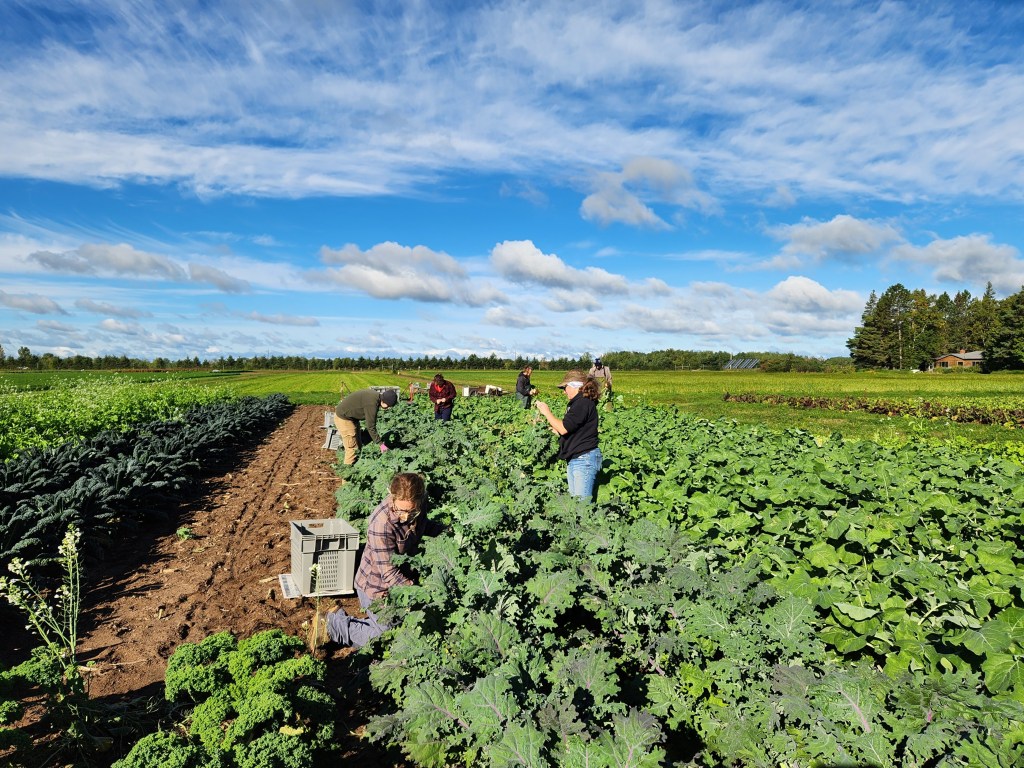
Crew harvesting kale and rutabagas

In your share this week:

Green Beans – Carrots – Cilantro – Cucumber – Kale – Onion – Sweet Red Peppers (not hot) – Green Bell Peppers – Hot Wax Pepper – Potatoes – Rutabaga – Squash – Spinach – Tomatoes


Harvesting Squash

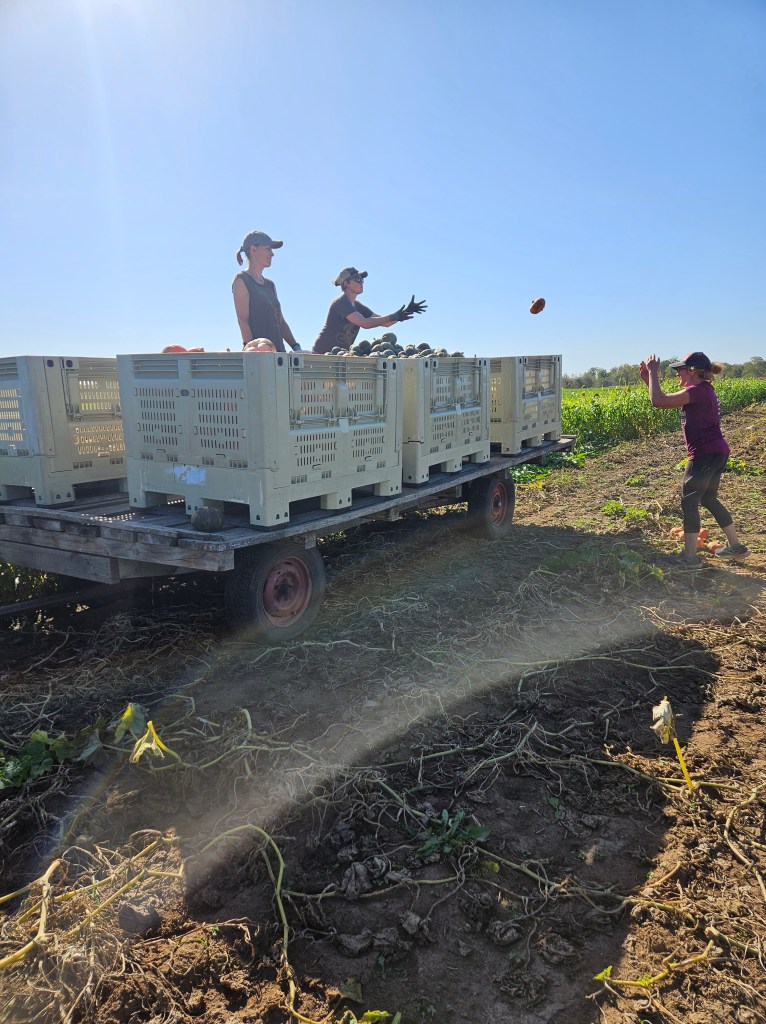
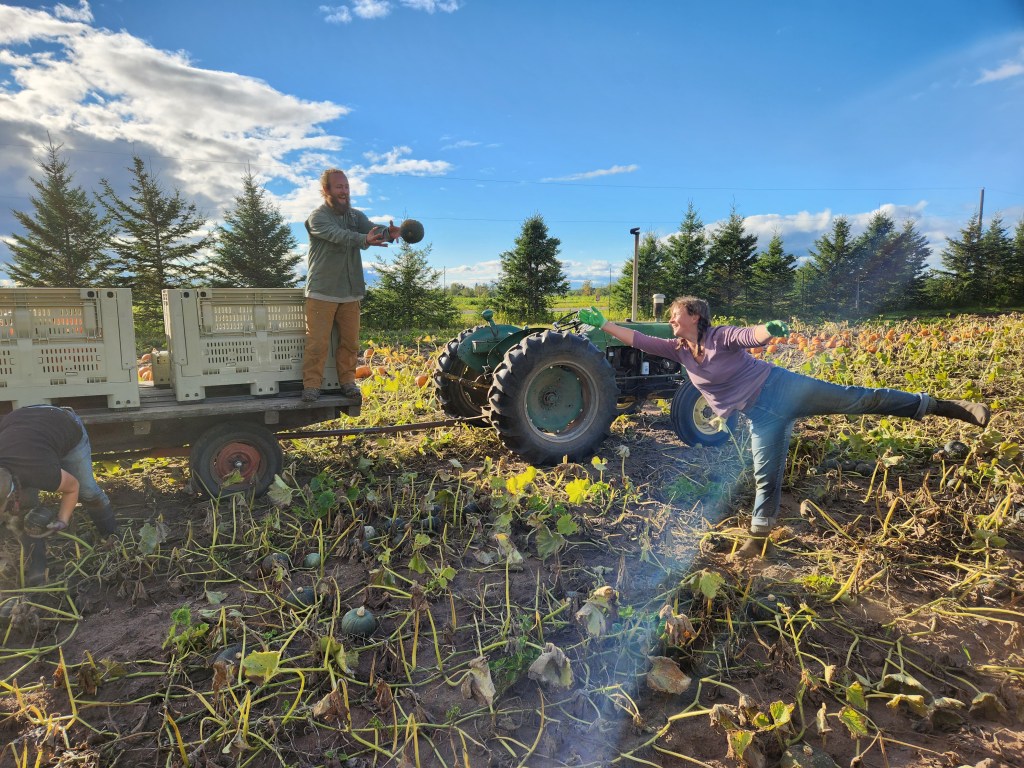
It’s always fun when throwing food is encouraged! The squash plants spreads out across the whole field, so when we harvest, squash are spread everywhere. To get squash consolidated we toss squash to each other across the field. You will find delicata and kabocha squash in your shares this week


Onions curing

Minnesota Pasties

This week’s box has all the vegetable ingredients you need for tasty pasties!

Ingredients

Crust

  • 1 stick butter, cubed
  • 1/2 cup shortening (Crisco)
  • 1 cup boiling water
  • 1 tsp salt
  • 3 1/2 to 4 cups flour

Filling

  • 1 1/2 lb meat, 70% ground beef, 30% ground pork (make vegetarian by excluding meat and adding a vegetarian gravy to the veggie filling)
  • 2 diced onions
  • 1 cup carrots, diced
  • 1 1/2 cups rutabaga, peeled and diced
  • 4 cups potatoes diced
  • 2 tsp salt
  • 1 tsp pepper
  • dash of garlic salt (or use a minced fresh garlic clove)
  • butter
  • milk

Instructions

  1. Melt butter and Crisco in microwave. Stir in rest of crust ingredients. Do not over mix. Let cool to room temperature.
  2. Preheat oven to 400°F.
  3. In a very large bowl, add ground beef and pork together, squishing together with a clean hand to combine. Roughly break apart into dime sized pieces. Add in all veggies and seasoning and mix ingredients well.
  4. For jumbo sized pasties, roll dough into 10 inch circles. Add 1 cup filling on one side of each circle. With water, wet the edges of the dough around the filling. Add 1/2 tsp butter on top of filling. Fold dough over the side with the filling making a pouch. Press and seal all edges tightly. Trim any uneven edges and make a 1 inch slit on top of the pasty. Brush top with milk. Repeat until all ingredients are gone. For smaller pasties use 5 inch circles of dough and 1/2 cup of filling.
  5. Bake for 1 hour at 400° F. Let cool slightly before serving, or let cool completely before storing.

Recipe from Just a Pinch Recipes.

Check out some other great rutabaga recipes in our “April Winter CSA” post.


A sneak peak of what’s to come!

For the farm crew,

Starr

April Winter CSA

Happy Spring, food lovers!
The time has come for our final Winter Share of the season. Whether you’re new to us or a day-one member, we thank you for letting Food Farm feed your family this winter. Our root cellar is almost empty but our hearts are full. It is so rewarding to see the fruits of last year’s labor still providing nourishment at the dawn of a new season. I would also like to give a special shoutout to our wonderful soil and local honey bees for helping us make it all possible.

As I mentioned last month, this growing season is already in the works. Our onions and leeks are doing well. We have also started the first batches of tomatoes, peppers, and brassicas. As usual, there are some slight changes we’ve made to each of these crop plantings this year. We often experiment with new varieties in addition to other improvisations and adaptations and it is exciting to watch these changes unfold. The crew is eagerly waiting for the last of the snow to melt so we can get to work full time by the end of the month.

See you in the summertime!

Emily

In your shares this month:
Beets, Carrots, Garlic, Onions, Yellow and Red Potatoes, Shallots, Rutabagas

Your recipes this month would make great sides for Easter dinner!

Carrot Puree
1 lb carrots peeled and cut into coins
Add water to cover generously and bring to a boil. Cook until the carrots are completely tender
(25 or so minutes). Drain and mash carrots with following:
1/2 cup milk or cream
1-1/2 tablespoon butter
1/2 tsp salt
1/2 tsp ground cumin

Rutabaga and Potato Gratin
1-1/2 lbs rutabaga and potatoes (total), peeled and sliced thinly
1/2 clove of grated garlic
1/4 cup finely chopped onion
salt and pepper
1/2 tsp thyme
3/4 cup grated sharp cheddar or Gruyere cheese
1-1/2 cup milk
Heat oven to 400 degrees. Season sliced veggies with salt, pepper, and thyme. Arrange the
veggies in a gratin dish (or 9″x13” pan). Add milk. Bake for 45 minutes, pressing veggies down
into the milk one or two times during baking. After 45 minutes, add the cheese. Stir it into the
veggie mix and return to oven for 20-30 minutes (until veggies are completely soft and easily
pierced with a fork).

Cajun Rutabaga Chips
CHIPS
Rutabaga (peeled)
1.5 lbs
Extra Virgin Olive Oil
0.7 fl oz.
CAJUN SEASONING
Oregano 1 tsp
Thyme 1 tsp
Paprika 0.5 tsp
Cayenne Pepper 0.5 tsp
Garlic Powder 0.5 tsp
Black Pepper 1 pinch
Salt
STEP 1
Peel the rutabaga and then use a mandolin slicer or sharp knife to slice the swede into very thin
chips.
Ensure the chips are 1 to 2 mm thick, or they won’t crisp up as nicely.
STEP 2
Combine the Cajun seasoning ingredients in a small bowl. In another bowl, toss the rutabaga
chips with the olive oil.
Then, tip in the cajun spice mix and rub the chips thoroughly until they’re well coated
STEP 3
Now, arrange the seasoned chips flat on a baking tray lined with parchment paper.
You can keep them close to one another as they will shrink a lot while cooking. As they might
not fit all into one tray, we recommend baking them on multiple trays.
Bake the chips for 25 minutes at 250 °F in fan mode or at 285 °F in static mode.
Once they look smaller and curled up, flip them upside down and swap the trays top to bottom
and front to back.

These chips are best when consumed on the same day as they will lose some of their crispiness when stored longer.