Summer CSA Week 17

Last week was all about garlic and squash. 

The end of September marks garlic sorting time. This is when a few lucky crew members get to sort through each of the garlic bulbs to decide if they will be used as seed garlic, or if they will be sent to shares or sold. Last year we planted over 6,700 cloves of garlic. Every clove that you plant gets turned into a bulb that you harvest. That means over 6,700 bulbs of garlic were sorted one by one. We look at each bulb to see how many cloves it contains, the size of the cloves, and the overall appearance of the bulb. When looking for garlic that will be used as seed for this year, we look for bulbs that have 4,5, or 6 cloves in it. Any more or less and the bulb gets sent directly to the shares/sell pile. Once we’ve counted the cloves, we look at the size of each clove. We want the largest cloves that we can find. This is for 3 main reasons: 1) larger cloves have more energy in them to help the plant gets started. We don’t want the plants struggling and stressed from the very beginning. 2) larger cloves produce a stronger root system early in the growing season. This can improve their ability to access water and nutrients from the very beginning. 3) larger cloves are more resistant to frost. This allows them to better withstand our cold Minnesota winters, and it helps them recover more quickly if they do get a little too cold. For those reasons, anything with small cloves will get put in the shares/sell pile. 

As we’re looking at the size of the cloves, it’s also important to make sure that we are choosing bulbs with similarly sized cloves. If they are all different sizes, they have the potential to grow and mature at different rates. Since we are growing such a large amount, making sure everything is growing and maturing at the same rate is very important. 

The final inspection is the overall look of the bulb. We look for any signs of disease, internal mold, improper drying, and any other abnormalities. These all get pulled out and set aside for further inspection. planting bulbs with any of these “imperfections” could result in the cloves not germinating, or in them spreading disease to the soil and/or other garlic plants. We always prefer to be cautious and not chance it. 

Once we have all our garlic separated into the two piles, we then do the math to figure out how many cloves we will need for planting. We figure out the length of the fields, how many beds we plan to plant, how far apart each clove will get planted, and possible increase or decrease in crop yield. I say we as if all of us are doing this math, but in actuality, Janaki does all of this math for us so only one person has to hurt their brain crunching all the numbers. Thanks to all of your interest in our garlic preserving shares this year, and the fact that we are planning to plant on a longer field than last year, we increased our seed number by 15%. This means at the end of October, the crew will hand plant over 7,700 cloves of garlic. Anything not deemed seed quality, got set aside to be sent as preserving shares or will be saved for winter share deliveries. In past years we’ve also sold a fair amount to restaurants and other local outlets, but this year that’s not possible because we’re saving extra seed. 

As the same time garlic sorting was happening, the rest of the crew was out getting all the winter squash from the fields. This meant clipping, throwing, stacking, loading, unloading, counting, and organizing thousands of squash. This is a long process because 1) it’s a lot of squash! 2) the Squash are split into different fields. One is on the main part of the farm, and the other is across the road. We had all the delicata, acorn, and some sunshine squash on the main part of the farm. The delicata made up the majority of this field since it’s the squash we will send with every winter share until we run out. This is also the popular seller to local businesses, and a favorite for most of the farm crew, so we plant quite a bit. Across the road was the rest of the sunshine, the kabocha, and all of the pumpkins. 
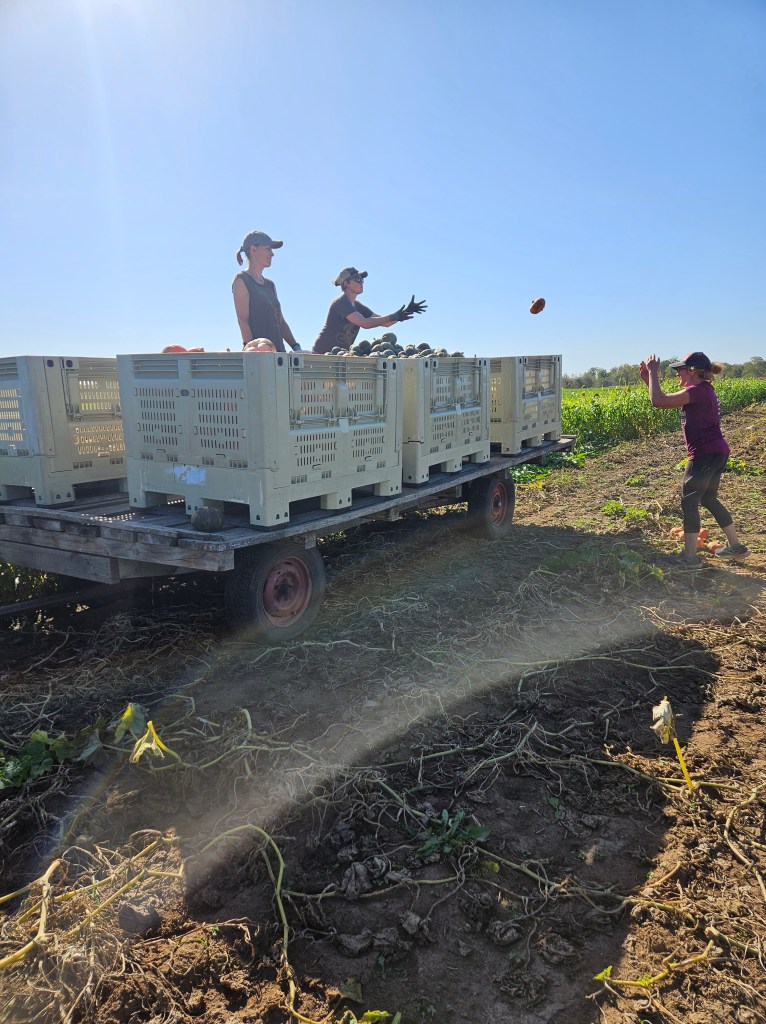
It was a lot of work, but we got all the Squash and pumpkins out of the field by the end of the work day on Friday. Now we begin the curing process for most of the squash so they will stay fresh through the winter months. As for the pumpkins, those get to go home with all of you this week! As you’re carving your pumpkins, feel free to share these fun facts:

-the first vegetable to be carved into a Jack o’lantern was actually a turnip

– Pumpkins need honey bees to pollinate their flowers. The more honey bee visits a flower gets, the more perfect the pumpkin will be

– pumpkins are grown on every continent except Antarctica

In your share this week:

Hot Peppers – Red Peppers – Northeaster Pole Beans – Basil – Carrots – Celery

Onion – Potatoes – Rutabaga – Spinach – Winter Squash – Tomatoes

Salade Nicoise 

3-5 medium potatoes

1 cup your favorite vinaigrette (mustard vinaigrette is delicious for this!)

3 cups fresh green beans (cut the Nor’easters on the diagonal)

1 head butter lettuce or spinach

3 ripe tomatoes, quartered

1 cap of canned tuna (optional)

3 hard boiled eggs, halved

1/2 cup Mediterranean style olives

Fresh herbs

Boil potatoes until just tender.  Drain and rinse in cold water and slip off the skins.  While still warm, cut into 1/8″ slices and gently toss with about 1/3 cup of the dressing.  Just before serving, toss greens with vinaigrette and arrange on a platter.  Arrange all the other ingredients in clusters around the platter, drizzling on the remaining vinaigrette.  Dress the salad with the fresh herbs and serve.

NOTE:  you can add any veggie to this salad– carrots, celery, and peppers add depth and color

Rutabaga Hash

  • 22 ounces rutabaga, peeled and diced (about 1 large rutabaga)
  • 6 ounces green cabbage, chopped (about half a head of green cabbage)
  • 1 leek, cut into strips (white parts only, green stems removed)
  • 3 tablespoons avocado oil (or any cooking oil or butter)
  • 1 teaspoon salt 
  • ½ teaspoon black pepper 
  • 1 teaspoon Italian seasoning 
  • 8 ounces bacon, cut into pieces
  • basil for garnish

  • Preheat your oven to 425°F. Add avocado oil, followed by rutabaga, cabbage, leeks, and bacon to the cast iron skillet.
  • Season with salt, pepper and Italian seasoning. Mix until well combined.
  • Roast in the oven for 25 minutes, then take the veggies out, and mix around before returning to oven for another 20-30 minutes, because you want all the vegetables to get a little crisp on them.
  • Finally, garnish with basil if you want, then eat!

For the farm crew, 

Jennifer 

Summer CSA Week 4

For all of us who put in a plea to Mother Nature, it worked…sort of. Last week felt like a normal week on the farm (if such a thing even exists in agriculture). This time of year, as the seasons shift from Spring to Summer, the farm crew’s agenda changes from spontaneous to more routine. It usually means weeding, row cover, weeding, bug hunting, and more weeding. Janaki and the crew were finally able to get out into the fields to do some much needed field work.

The drier weather gave us the opportunity to roll up all of our row cover. If you aren’t familiar with it, row cover is a permeable fabric that we lay over the top of our plants, specifically the brassicas. The row cover has multiple benefits, but the main ones we use it for on the farm are for deterring pests, and adding some extra early season heat. Broccoli is generally a cool season crop, but “cool season” generally refers to our normal weather in early June, while our first planting goes in the ground in mid-April. This is one of the reasons we are able to provide all of you with broccoli so early in the summer. It’s a large task to lay out the 30’x400′ sheets of row cover after each Spring planting of brassicas, but it’s an even larger task to roll all of it back up. 

We also made it across the road to weed through the first two plantings of outdoor carrots, and do some bug hunting while we were over by the potatoes. Each year we find ourselves fully experiencing what it means to work for an organic farm. It means that instead of the farm crew going out to spray insecticides on the plants, we take the organic approach. Think Ghostbusters, but instead of proton packs and cool jumpsuits, we get 5 gallon buckets and overalls. We go row by row, plant by plant, searching for the various life stages of the Colorado Potato Beetle. The eggs are by far the easiest to spot since they are bright orange against the deep green foliage of the plants. The larvae are a little more difficult, but get easier to spot as they go through the 4 larval stages. They start out really tiny with a black head and brown body, and slowly grow to almost being the size of an adult beetle. Once they’ve reached the adult stage, they get wings and stripes on their back which help them to be more noticeable against the plant. The worst thing about the Colorado Potato Beetle is how adaptable it is. These bugs overwinter in different life stages, don’t have to mate in the spring before they lay eggs, and aren’t even solely attracted to potato plants! Their favorites are potatoes and eggplant, they will also survive on other members of the nightshade family. This unfortunately meant we found quite a few on our outdoor tomatoes. Nothing the Beetlebusters (aka the farm crew) couldn’t handle. 

In case that wasn’t enough bug fun, we also noticed cucumber beetles on our greenhouse cucumbers, and squash beetles on our squash. We did identify a ‘new’ pest on the potatoes called a blister beetle. Mother nature is always keeping us on our toes. This summer is going to have a lot of bug pressure. We are coming off of a mild winter which didn’t get cold enough to kill most of the populations, then following that up with warm wet weather in the Spring/Summer, it’s the perfect recipe for a lot of bugs! This is all to remind you that if you ever find a little critter, or see some holes on your veggies, we promise it’s okay. It’s just nature’s way of reminding all of you that the veggies you receive each week are grown with love instead of harsh chemicals!

This week in your share: 

Arugula – Broccoli – Turnips – Radishes – Spinach – Green Onions

Garlic Scapes – Cucumbers – Green-top Carrots

This week we are giving you garlic scapes. If you’ve never used these before, they have the same flavor you get from fresh garlic, only a little milder and a lot less work since no peeling is involved. You can substitute scapes for fresh garlic in almost any recipe using 4-6 scapes = 1 clove of garlic.

One- Pan Orzo With Spinach and Feta

Ingredients

Yield:4 servings

  • 2tablespoons unsalted butter
  • 4large green onions, trimmed and thinly sliced
  • 2large garlic cloves, minced
  • 8ounces baby spinach leaves (8 cups), coarsely chopped
  • 1teaspoon kosher salt
  • 1¾cups low-sodium chicken or vegetable stock
  • 1cup orzo
  • 1teaspoon finely grated lemon zest (from 1 lemon)
  • ¾cup crumbled feta (3 ounces), plus more for garnish
  • ½cup frozen peas, thawed (optional)
  • 1cup chopped fresh dill, or use parsley or cilantro

PREPARATION

  1. Heat a 10-inch skillet over medium, then melt butter, 30 seconds to 1 minute. Stir in about three-quarters of the green onions (saving some of the green parts for garnish) and garlic, and cook until softened, stirring frequently, about 3 minutes.
  2. Stir in spinach, adding in batches if it doesn’t all fit in the pan at once, and ½ teaspoon salt. Continue to cook, stirring occasionally, until spinach is wilted, about 5 minutes.
  3. Stir in stock and bring to a simmer. Stir in orzo, lemon zest and remaining ½ teaspoon salt. Cover and simmer over medium-low heat until orzo is nearly cooked through and most of the liquid is absorbed, 10 to 14 minutes, stirring once or twice.
  4. Stir in cheese, peas (if you like) and dill, cover the pan, and cook for another 1 minute, to finish cooking and warm the peas. To serve, sprinkle with more cheese and the reserved green onions

Salmon Cakes With Arugula Salad

Ingredients

  • 1 pound salmon, skinned (canned will also work)
  • 2 tablespoons lemon juice, divided
  • 2 teaspoons Dijon mustard, divided
  • ½ cup finely chopped yellow bell pepper
  • 1 tablespoon finely chopped shallot
  • ½ teaspoon ground pepper, divided
  • ½ cup panko breadcrumbs
  • ½ cup crème fraîche or sour cream
  • ¼ cup buttermilk
  • 3 tablespoons chopped fresh dill
  • ½ teaspoon salt, divided
  • 2 tablespoons extra-virgin olive oil
  • 5 ounces arugula
  • 1 cup sliced radishes

Directions

  • Coarsely chop salmon and place half in a food processor. Add 1 tablespoon lemon juice and 1 teaspoon mustard. Process, scraping down the sides as necessary, until smooth. Add the remaining salmon, bell pepper, shallot and 1/4 teaspoon pepper and pulse until the mixture is combined but still chunky.
  • Transfer the salmon mixture to a medium bowl. Add breadcrumbs and stir until combined. Form the salmon into 4 patties, about 4 inches wide each, and place on a plate. Freeze for 5 minutes.
  • Meanwhile, whisk crème fraîche (or sour cream), buttermilk, dill and 1/4 teaspoon salt with the remaining 1 tablespoon lemon juice, 1 teaspoon mustard and 1/4 teaspoon pepper in a large bowl. Set aside 1/4 cup of the dressing for drizzling.
  • Heat oil in a large cast-iron or nonstick skillet over medium-high heat. Add the salmon cakes and cook, flipping once, until well browned and cooked through, 2 to 3 minutes per side. Transfer to a clean plate and sprinkle with the remaining 1/4 teaspoon salt.
  • Add arugula and radishes to the dressing in the large bowl. Toss to coat. Serve the salmon cakes on top of the salad, drizzled with the reserved 1/4 cup dressing

Carrot Top Salsa (The CSA Cookbook by Linda Ly)

2 cups minced carrot greens leaves and tender, stems only

3 tablespoons minced garlic

3 tablespoons minced fresh oregano

2 tablespoons minced jalapeño

One to one and a quarter cups olive oil

1/4 of a cup red wine vinegar

Zest and juice of lemon

Add all the ingredients to a medium bowl and stir to combine (use more or less oil to make a chunkier or thinner sauce).  Cover and let stand at room temperature overnight so the flavors intermingle.  This salsa gets better with age – so the carrot have turned to deep muted shade of army green is still good!!  Decant into a jar and refrigerate.  The oil will congeal in the cold temperature, but it does not affect the flavor. Bring the salsa to room temperature before serving.

For the farm crew,

Jennifer
Summer CSA Week 3

This week was filled with more rain. If any of you know Mother Nature personally, will you please let her know that we are good on rain, and could really use some sunshine. We would especially like to see some sun now that we’ve reached the official start of Summer! I’ve always been told that the Summer Solstice is the longest day of the year to allow us more time to find joy in the constant change that is happening around us.  

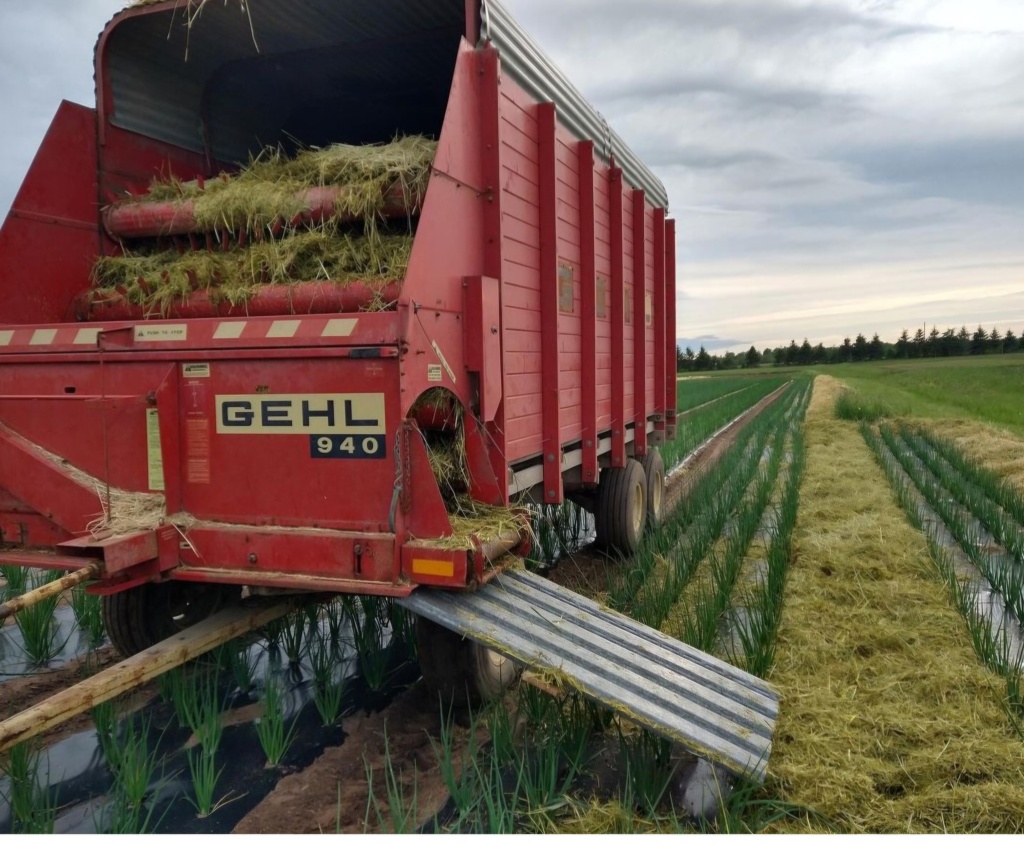
One of the big, and exciting changes that happened on the farm last week was the debut of the new chopper box (also known as a forage wagon). Thanks to all of your support, the farm was able to purchase a new to us, chopper box earlier this Spring. 

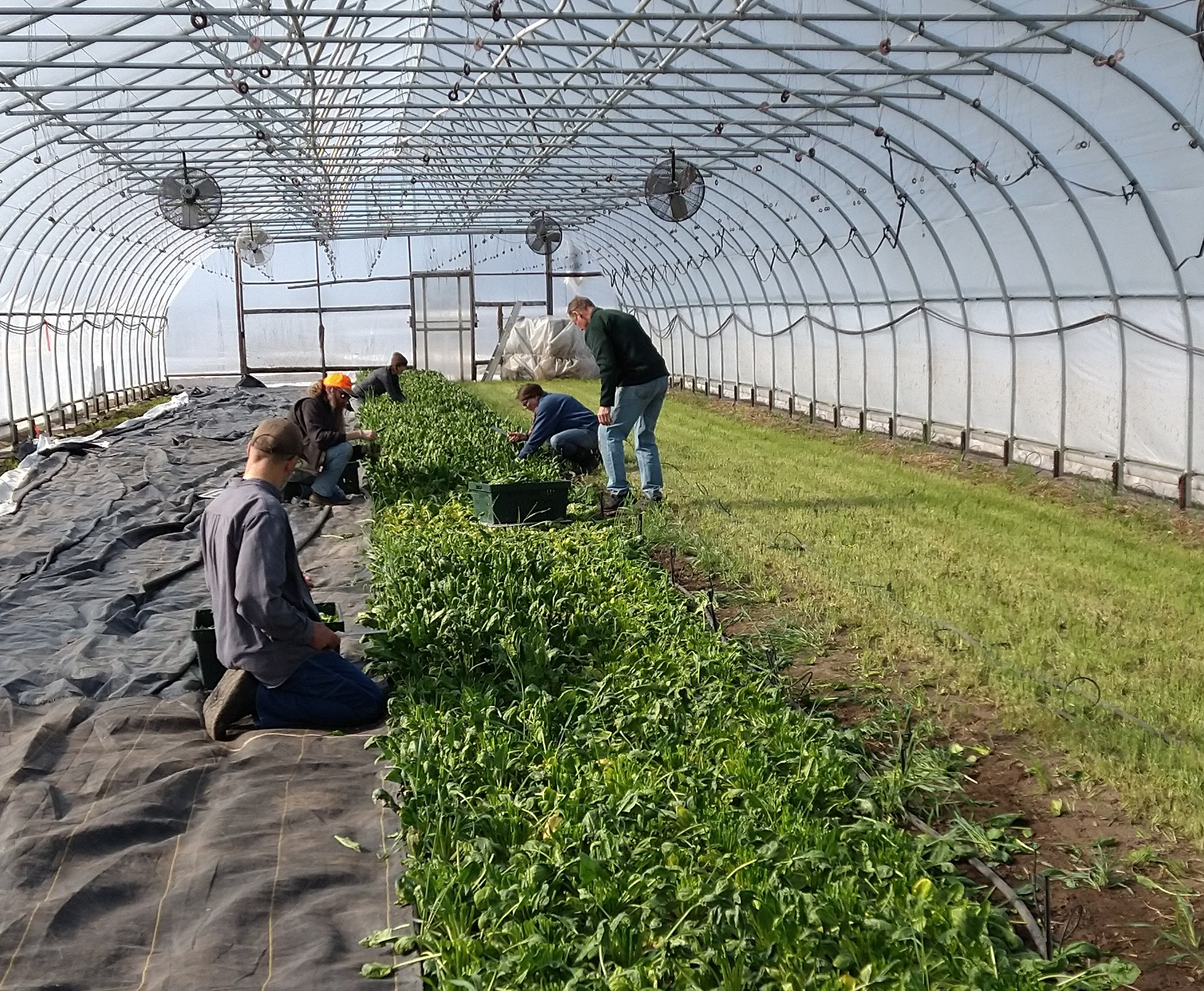
Every fall, after harvest, we plant a cover crop of rye. The rye goes dormant over the winter, and starts to grow again in the Spring. While it’s growing, it’s adding fertility to the soil, supporting soil life, suppressing weeds, and preventing soil erosion from happening (something we are really thankful for this year). Right before the rye goes to seed, we cut the rye, and it’s blown through a chute into the chopper box. An auger inside the box then pushes it out onto Janaki’s handmade ramp, and drops it in the aisleways between the onion beds. The crew then smooths it out to make sure it will be effective. This is what we spent most of last week doing. In the coming weeks, we will spread mulch around the outdoor tomatoes once they’ve dried off a bit. 

The rye mulch serves multiple purposes for different crops. For the onions, we mainly use it to suppress weeds. Less weeds means less use of the tractors for cultivation, and less labor needed to weed by hand in the places the tractor can’t access. It also creates earthworm habitat and food, leaving the field healthier than before the season. For the tomatoes, we use the mulch as a weed suppression, disease prevention, and as a way to retain moisture. Tomatoes appreciate a warm environment which leads to faster water evaporation. The mulch slows that evaporation which lessens the frequency at which we need to water, and prevents soil from splashing onto leaves.

To me, one of the coolest parts of the mulch is that we don’t remove it once the vegetables are harvested. We leave all of the mulch exactly where it is, and Farmer Janaki tills it into the soil before he plants another cover crop in that field. This adds organic matter which improves the health of the soil, and provides a habitat for organisms. Some of those organisms will prevent diseases, and help to control the levels of pests.  

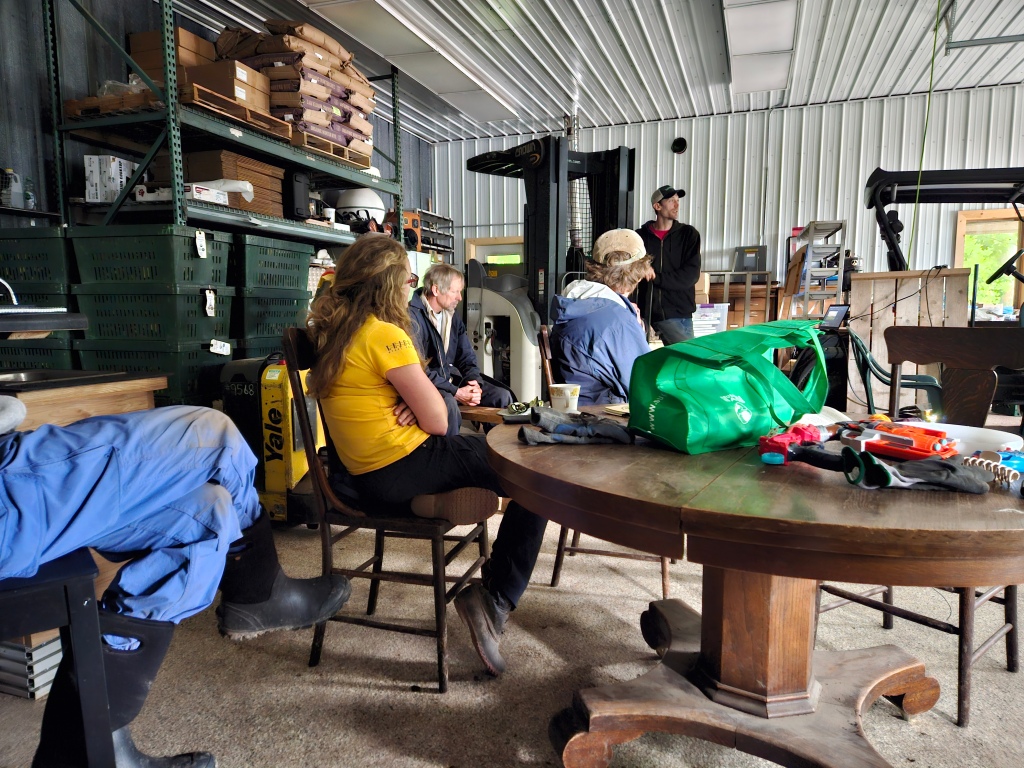
The farm crew was able to learn all this information about cover crops during what we called “classroom time”, a few weeks ago. This was an unusual occurrence considering we are normally too busy with field work to all come together for an educational session, but when the fields are too wet to work, we finally have time to talk about the behind the scenes of farming. This is just another one of the many ways the farm crew is embracing the changes being thrown at us thanks to mother nature and her abundance of rain. Fingers (and toes and arms and legs) crossed this week stays a little drier, so our outdoor vegetables can get some much needed love and attention.

In your share this week:

Broccoli – Lettuce – Spinach – Green Onions – Pac Choi

If you’re looking for some non-salad ways to use up greens, Deb has a few more ideas for you!

Cannellini Beans and Wilted Greens 

2 cans cannellini beans

1 large bunch spinach, pac choi, or mixed greens (appx 1/2 lb)

1-2 cloves garlic

1/4 cup olive oil

1.5 tsp rosemary, chopped

Wash and prepare greens.  Drain beans and reserve liquid.  Finely chop garlic and sauté in olive oil with the rosemary for 1 minute.  Add the beans and 3/4 cup bean liquid and simmer for 5 minutes, until some of the beans have fallen apart.  Add the greens to the beans and stew until they are wilted and tender.  Add more liquid if needed.  Salt and pepper to taste.  

Serve as a side-dish with olive oil drizzled over the surface

Lentils with Greens and Ginger 

1 cup green lentils, rinsed

2 1/2 cups water

1-2 hot green chilies, finely sliced (optional!!)

1 tsp finely grated ginger

1/2 cup chopped cilantro

1-1/4 lbs spinach 

1 tsp salt

Black pepper to taste 

2 tbsp lemon juice

Cook lentils in water until soft.  Put oil in large sauté pan (large enough to hold spinach) over medium heat.  When hot, add chilis and ginger- stir and fry for 10 seconds.  Add cilantro and spinach.  Continuously stir and cook until spinach has wilted.  Add cooked lentils (with any remaining cooking water)and salt.  Stir to mix and bring to simmer.  Cover and cook gently for 10 minutes- add pepper and lemon juice.  Cook for 5 minutes. Serve with rice

For the farm crew,

Jennifer
Summer CSA Week 17, 2023

It appears that we’ll be experiencing a couple of unexpectedly warm days following the rainy spell that persisted throughout last week. It sure would have been nice to have received some of this rain a little more spaced out and during the summer months, but the plants seem to be hanging on nonetheless. After a bout of rain, it’s essential for plants to have an opportunity to dry off to prevent the onset of disease. Rain can leave leaves and stems damp, creating an ideal environment for fungal and bacterial pathogens to thrive. If moisture lingers on plant surfaces for extended periods, it can weaken the plant’s defenses, making it more vulnerable to infections. Adequate air circulation and sunlight play crucial roles in allowing plants to dry naturally, effectively reducing the risk of diseases.

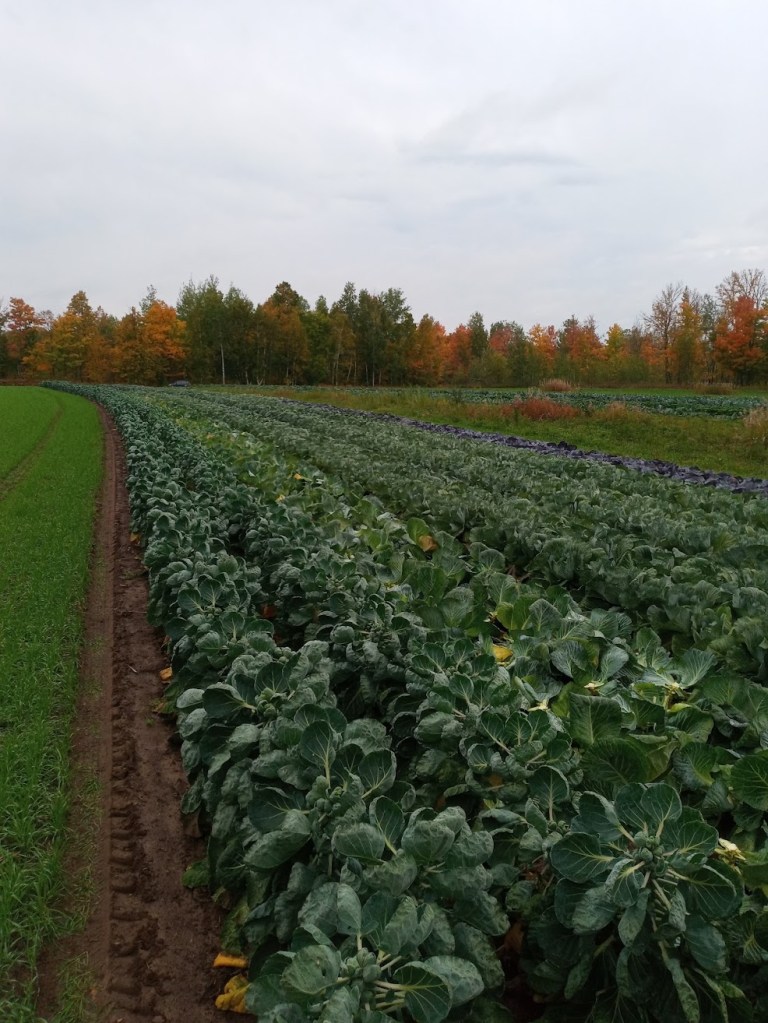
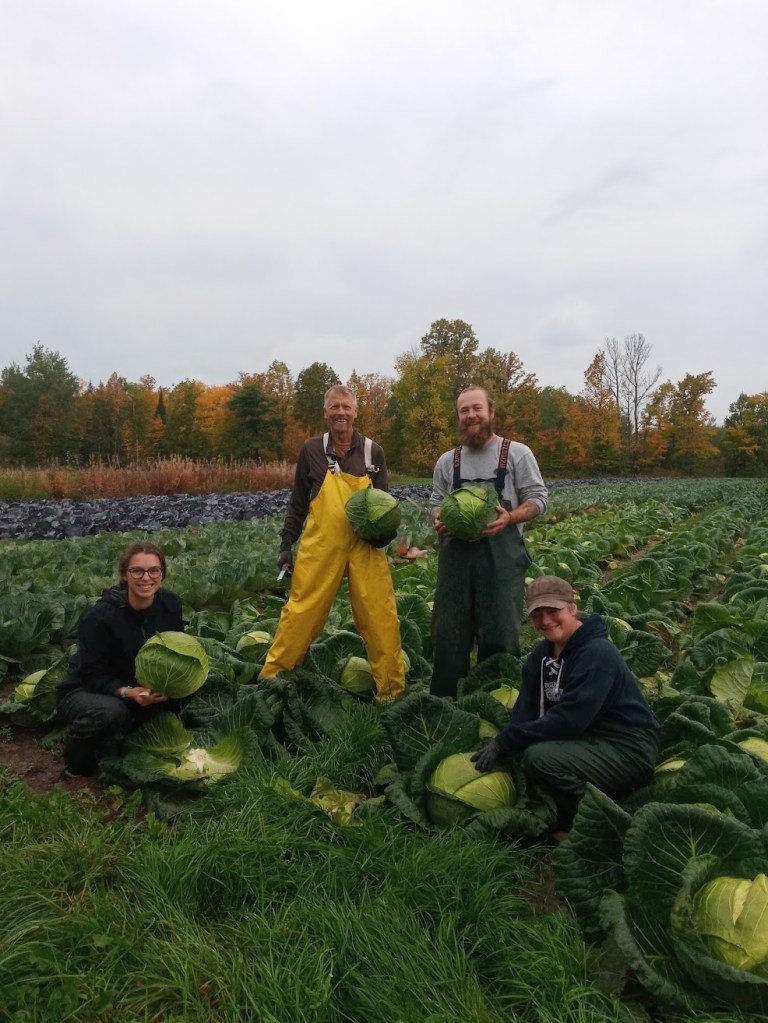
We spent the day Friday harvesting storage cabbage, the biggest one we got was 14 1/2 pounds! Fortunately we sell about 6000 pounds per year for our friends over at Spirit Creek Farm for their delicious kraut and kim chi, and a few restaurants also use it for their cole slaw and kraut as well. So don’t worry, you won’t be getting any cabbages that big in your share!


In your share this week:

Broccoli – Carrots – Cilantro – Cukes – Leeks – Onions Red Peppers

Hot Peppers – Potatoes – Spinach – Delicata Squash – Tomatoes Pumpkins!


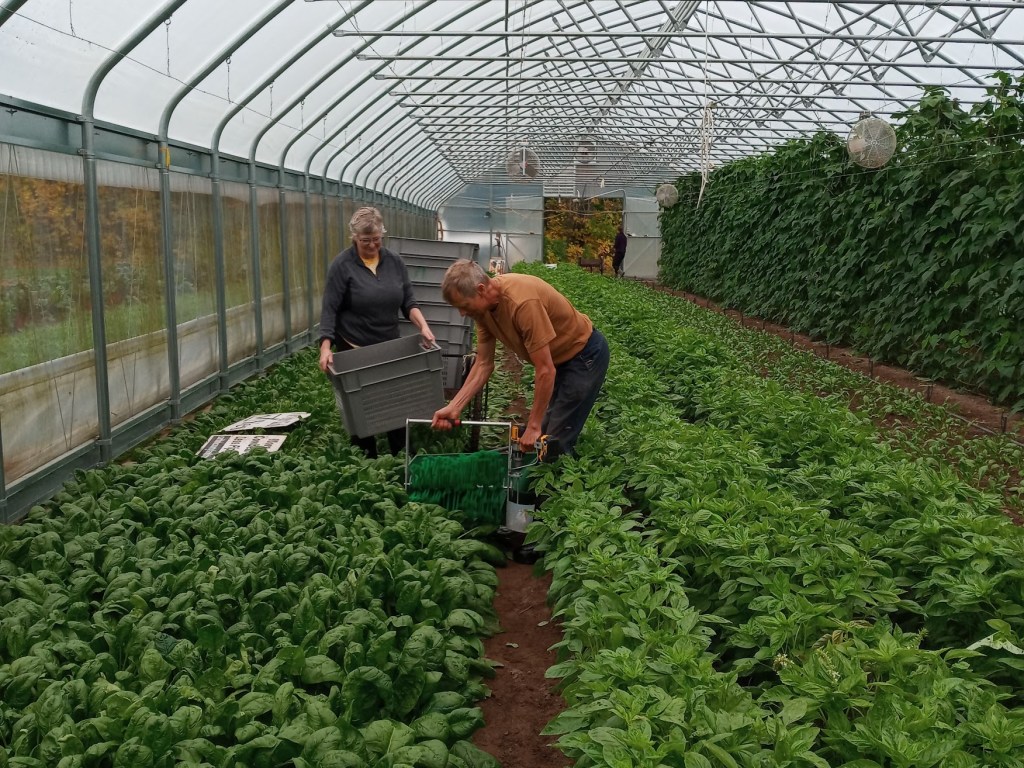
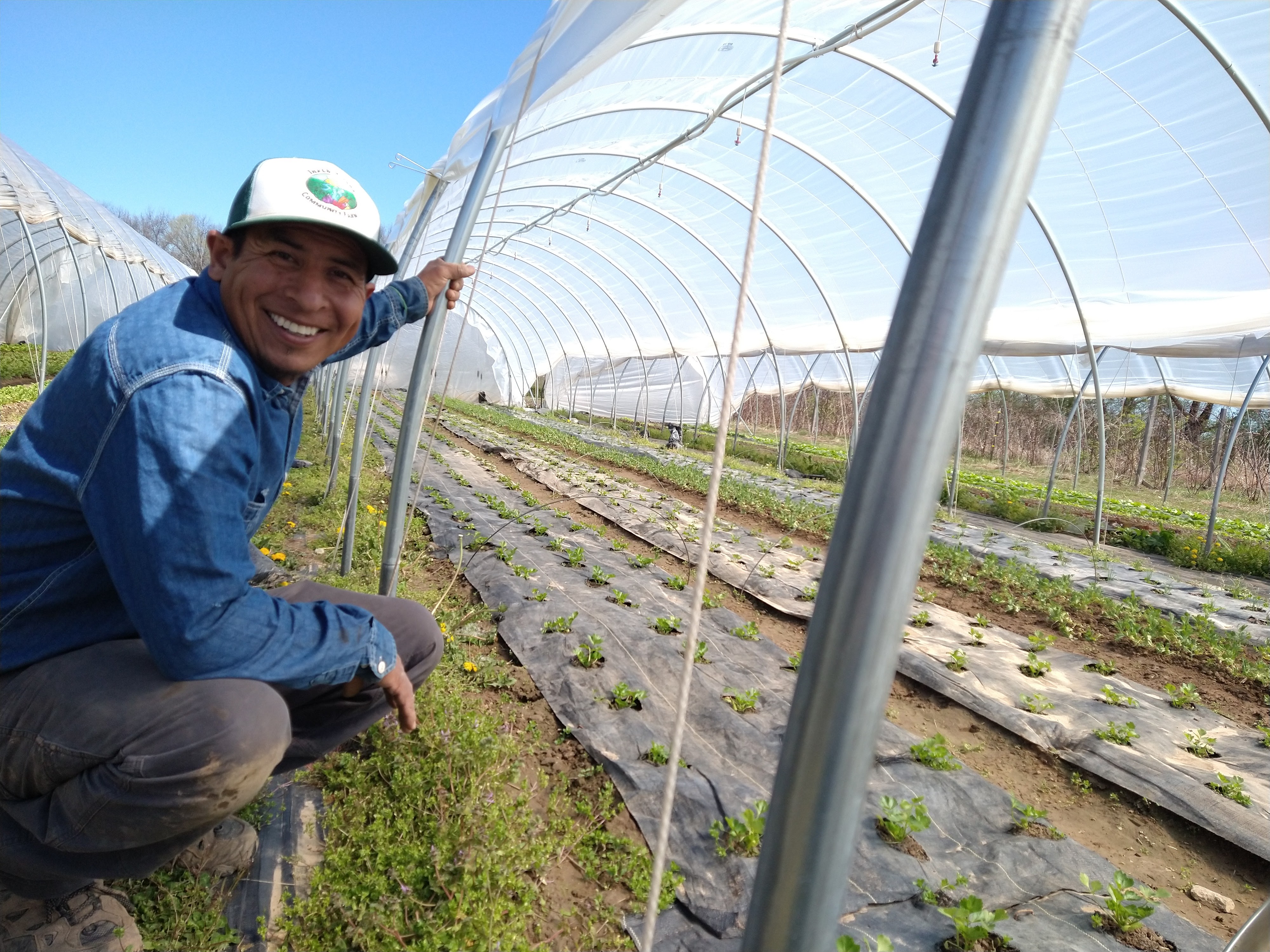
A note regarding this week’s spinach: There has been a recent congregation of cut worms gathering in the greenhouse that our current planting of spinach calls home. While it may be disheartening to discover cutworms feasting on our spinach plants, there’s no need to despair. Cutworms are a common garden pest known for their big appetite, but their presence doesn’t render your spinach inedible. With proper care, you can still enjoy the greens. Simply pick out any affected leaves that we may have missed in the commotion of harvesting, give the remaining spinach a good wash to remove any potential residue, and it will be perfectly safe to include in your meals.


Apple Spinach Salad, from Gimme Some Oven

Salad Ingredients:

5 ounces fresh spinach
2 small apples, cored and thinly sliced
half of a small onion, thinly sliced
1/2 cup chopped walnuts, toasted
1/3 cup dried cranberries
3 ounces crumbled goat cheese

Apple Cider Vinaigrette Ingredients:

1/4 cup extra virgin olive oil
2 tablespoons apple cider vinegar
2 teaspoons honey
1 teaspoon Dijon mustard
1 small garlic clove, peeled and minced
a generous pinch of salt and black pepper

  1. Make the vinaigrette. Combine all of the vinaigrette ingredients together in a bowl and whisk vigorously (or shake them together in a mason jar) to combine.
  2. Toss the salad. Add spinach, apples, onion, walnuts, dried cranberries, and half of the goat cheese to a large bowl.  Drizzle with the vinaigrette, and toss to combine.
  3. Serve. Serve immediately, garnished with the remaining goat cheese, and enjoy!

Delicata Squash Gratin, from Feasting At Home

Yield: 8 servings

2lb delicata squash
2 tablespoons olive oil or butter
2 medium leeks, thinly sliced
4 garlic cloves, rough chopped

15 sage leaves, chopped (8 more for crispy sage leaf garnish – optional)
1 cup heavy cream (or sub coconut milk)
1/2 teaspoon salt and peppers
1/2 teaspoon nutmeg
1/2 teaspoon onion powder, optional

1/4 cup water
3 ounces gruyere cheese (or sub parmesan)
1/2 cup walnuts, chopped

  1. Preheat oven to 375°
  2. Prep Delicata: Thinly slice the squash into 1/8 -inch thick rounds. When you get to the seeds, scoop them out and continue slicing.
  3. Cook the Leeks: Slice and rinse the leeks- the moisture here will help them soften. Heat oil or butter in a large skillet over medium heat. Sauté the leeks, for 8-10 minutes, covering part way through so they soften. Add the garlic, sage and a pinch of salt, cook 2-3 more minutes. Turn heat off.
  4. Whisk: the cream with the salt, pepper, nutmeg and onion powder in a medium bowl.
  5. Layer: Grease a large 9 x 13-inch baking dish or 11-12 inch round baking dish. A big shallow pan is best to ensure even cooking. Grease the pan, add 1/4 cup of water to the bottom of the pan. Layer with squash overlapping slightly. Sprinkle with half of the sautéed leeks. Drizzle with 1/3 cup cream mixture. Sprinkle with one ounce of Gruyere (about 3-4 tablespoons grated). Add the 2nd layer of squash- using up any misshapen pieces here. Scatter with the remaining leeks. Drizzle with 1/3 cup cream mixture and sprinkle with grated gruyere cheese. Add the final layer of squash, overlapping and pressing down so not domed in the middle. Drizzle the remaining cream mixture over top, lightly sprinkle with cheese and the walnuts. Give the pan a little shake, press down in the center again so gratin is level, not domed. Cover, using parchment first as a barrier, under the foil if the foil touches the top of the gratin.
  6. Bake 45 minutes covered. Uncover, confirming the delicata is tender using the tip of a knife, then bake at 400 F uncovered, 15 minutes until beautifully golden
  7. To make the crispy sage leaf garnish, heat 1-2 tablespoons oil or butter in a pan over medium heat, add 8 whole sage leaves, saute each side 30 seconds or so until crisp (try a tester first) and place on a paper towel to cool for a couple of minutes. Arrange over the gratin.

For the farm crew,

Charlie

Summer CSA Week 16, 2023

Greetings, fellow Food Farm enthusiasts! As we bid adieu to the vibrant greens of summer and warmly embrace the gold & red arrival of autumn, we find ourselves hard at work in the changing landscape of the farm. With Saturday’s equinox marking the official start of fall, we ready ourselves for the snow to fly. Hopefully not too soon though, as there is a lot left to harvest! With only two more summer CSA shares remaining (after this week), the harvesting has shifted more and more to winter storage items. Last week, the big to-do was clipping and bringing all the squash varieties in from the field. This year we grew six different varieties: Delicata, Kabocha (green, winter sweet & sunshine), Acorn & pumpkins!

Apart from our usual CSA packing and retail orders, the squash took just about the entire week to complete. It is one of the more physically demanding tasks we do here and that is much in part to the sheer weight that needs to be moved to and fro – over 20,000 pounds of squash! Many hands do not make light work in this case, although it is always fun when the whole crew gets to work together on a singular task.


In your share this week:

Northeaster Beans – Broccoli – Carrots – Celery – Cucumbers – Lettuce – Onions

Red Peppers – Red Potatoes – Spinach – Winter Squash


New to the shares last week and featured again this week are the northeaster beans. Upon being greeted by them in the greenhouse, it is easy to imagine someone dreaming up the fairytale of Jack and the Beanstalk. The vigorous pole beans enthusiastically scale the framing of the greenhouse, almost as if they would keep climbing and climbing until out of sight if not for the layer of plastic containing them to safe picking heights.

This week’s share also includes what will likely be the last of the broccoli for the year. To celebrate I have included a recipe for broccoli cheddar soup that will help us feel extra cozy through all this dreary weather.


Ina Garten’s Butternut Squash Salad Recipe, from fool proof living

Yield: 4 servings

1 1/2 pounds winter squash, ¾ inch slices
1 tablespoon maple syrup
2 tablespoons + 1/4 cup olive oil, divided
2 teaspoons Kosher salt, divided
1 teaspoon coarsely ground black pepper, divided
3 tablespoons dried cranberries or raisins
3/4 cup apple juice or apple cider
2 tablespoons apple cider vinegar
2 tablespoons onion minced + dash of garlic powder
2 teaspoons Dijon Mustard
6-8 cups lettuce & spinach
1/2 cup walnut halves, toasted
1/4 cup shaved Parmesan cheese

  1. Prep the oven and squash seasoning: Preheat the oven to 400°F.
  2. Toss the squash: Place the squash on a baking sheet. Drizzle it with maple syrup and 2 tablespoons of olive oil. Sprinkle it with 1 teaspoon kosher salt, and ½ teaspoon black pepper. Toss to ensure that all of the squash is coated.
  3. Roast and turn: Place it in the oven and roast for 20-25 minutes until tender, turning once halfway through. In the last 5 minutes, add the cranberries.
  4. Make the vinaigrette: Place apple juice, cider vinegar, and minced onion + dash of garlic powder in a small saucepan and bring to a boil over medium-high heat. Cook for 6-8 minutes, or until reduced to 1/4 cup. Remove from heat.
  5. Finish the dressing: Off the heat, whisk in the Dijon mustard, 1/4 cup of olive oil, 1 teaspoon salt, and 1/2 teaspoon pepper. Whisk until emulsfied.
  6. Assemble the salad: Place the lettuce & spinach in a large salad bowl. Pour over the dressing and give it a big toss. Add the roasted butternut squash and cranberries.
  7. Finish and serve: Top it off with toasted walnuts and shaved Parmesan cheese. Taste and season with salt and pepper, if necessary. Enjoy!

Broccoli Cheddar Soup, from Gimme Delicious

Yield: 4 servings

4 tablespoons butter
1/2 medium onion, chopped
2-3 cloves garlic, minced
4 tablespoon AP flour
2 cups low sodium chicken or vegetable stock
1 teaspoon kosher salt
1/2 teaspoon black pepper
1/2 teaspoon paprika (or ground nutmeg), optional
3 cups broccoli florets (1 large head), cut into small pieces
1 large carrot, grated
2 cups half & half, heavy cream or milk
8 oz block grated cheddar cheese

  1. Melt butter in a large dutch oven or pot over medium-high heat. Add the onion and cook 3-4 minutes or until softened and light gold. Add the garlic and saute for another minute.
  2. Add flour and whisk for 1-2 minutes or until the flour begins to turn golden in color. Pour in the chicken stock, broccoli florets, carrots, and seasoning. Bring to a boil then reduce heat to medium-low and simmer for 15 minutes or until the broccoli and carrots are cooked through.
  3. Stir in half & half and cheddar cheese and simmer for another minute. Taste and adjust seasoning if needed.
  4. Serve with toasted crusty bread or in a bread bowl if desired.

For the farm crew,

Charlie

April Winter Share

Greetings! The outside world has temporarily regressed into winter, but things are moving quickly at the farm. We have a full crew lined up for this season, the root cellar is nearly empty, and the greenhouse is filling up with onions, tomatoes, peppers, broccoli, cabbage, and cauliflower transplants. Even with as late of a spring as this, there’s still a good chance that we’ll be able to start the Summer Share season on time. We’re fortunate to have invested a lot in greenhouse space for early crops, and the combination of drainage tile and little to no frost over winter means that we could be ready to get in the field fairly quickly with another stretch of sun and heat.

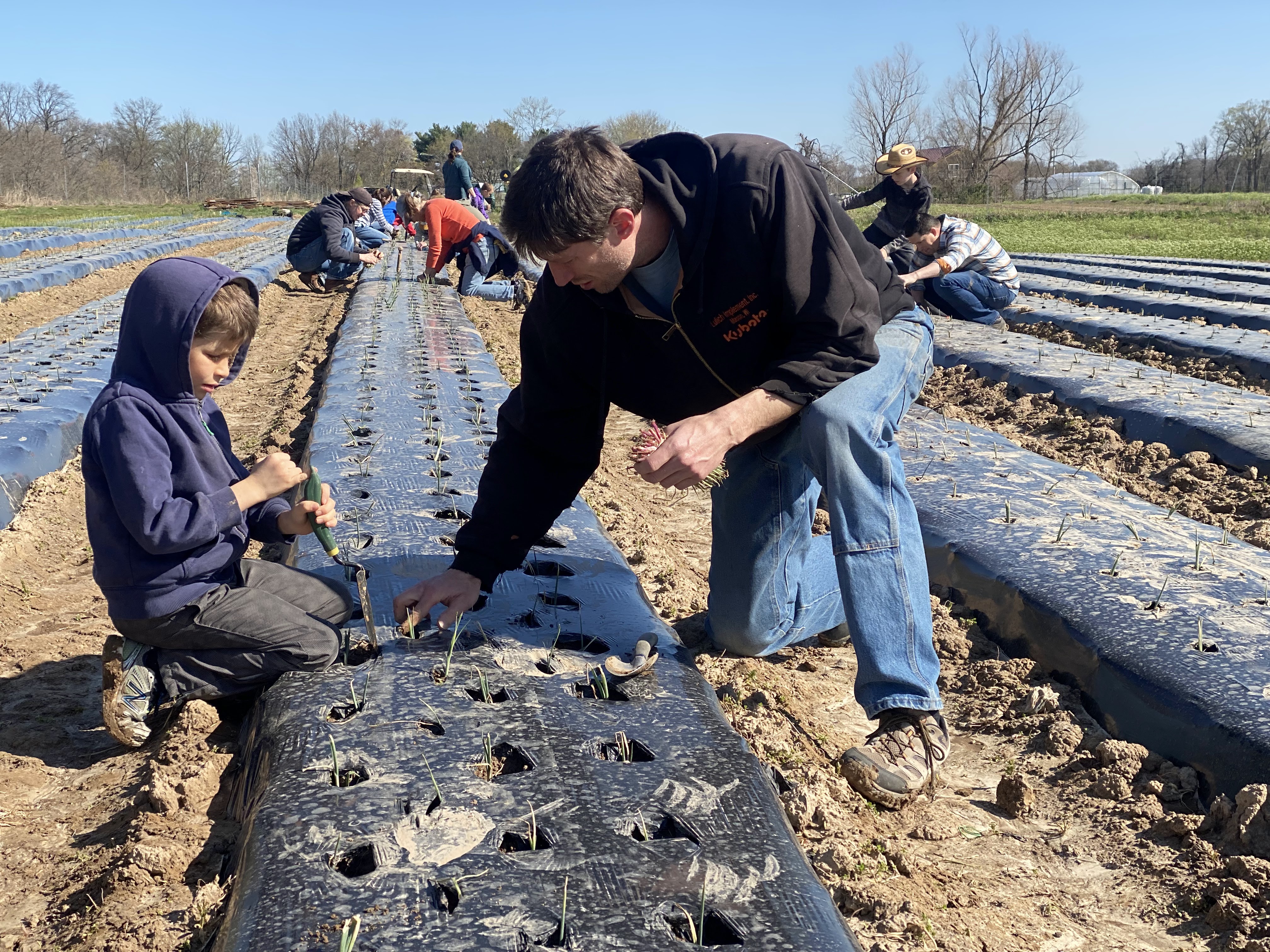
Speaking of sun and heat, we were able to sneak in a quick getaway to southern Illinois while the kids were on spring break last week. It was delightful to enjoy some sunshine and warm weather, and what do farmers do when they’re on vacation? Farm work, of course! Our friends Segue and Amy of Three Rivers Farm had a work party over the weekend, so we got to help plant onions with them and had a good time talking with their CSA members as we worked.

It may seem like that scene is a long way off for us, but things can turn around quickly and we’re hopeful for a great start to the season. Ultimately, we’re at the mercy of mother nature but we feel pretty well prepared for whatever the season brings. Think sun!

For the farm crew,

Janaki

In your share today:  

Beets — Orange and Purple Carrots — Garlic — Onions — Red and Russet Potatoes Rutabagas — Shallots — Spinach

Allo Palak (Spinach and Potatoes)
modified from NYT

  • 1/4 cup neutral oil
  • 1 large yellow onion, finely chopped
  • 1.5 tsp grated ginger
  • 1 clove garlic, finely grated
  • 1 tsp cumin seeds
  • 3 Thai green chilis, sliced
  • 1 tsp red pepper flakes (or to taste!!)
  • 1/4 tsp turmeric powder
  • 1 cup crushed tomatoes
  • 1/5 tsp salt
  • 3 medium potatoes cut into 1-inch cubes
  • 1 lb fresh spinach, chopped
  • 1/2 tsp garam masala

1.  In a large pot, heat oil and onion, ginger, and garlic.  Stir for 30 seconds.  Add cumin, green chilis, pepper flakes, and turmeric.

2.  Add tomatoes and salt.  Stir and continue cooking until the tomatoes are jammy and the oil has separated (3-5 minutes).

3.  Stir in potatoes.  Add 1/2 cup water, bring to a boil and lower heat to medium.  Cover and cook for 12 minutes or until potatoes are almost done.

4.  Add spinach and turn the heat to high.  Once the mix begins to bubble, lower the heat to medium, cover and simmer until potatoes are cooked through, stirring occasionally, 7-10 minutes.  Top with garam masala and serve with rice.  

Summer CSA Week 13

Every day was super eventful on the farm this past week. The crew adjusted the solar panels along the driveway to match the sun’s fall position in the sky. We are also gearing up for the fall harvesting that will be happening soon, especially for the storage crops. On Wednesday we harvested about 13 tons of carrots – all before lunch. It’s days like those that really make us realize the impact we have on the local food system. Also, not to scare anybody but there are at least 30 more tons (hopefully) that still need to be harvested before late October. And those are just the carrots. Our list of things to do seems like it should be getting smaller but let’s be honest – it’s definitely going to get bigger.

Early this week we said a heartfelt goodbye to Karin who has been the backbone of the farm crew for 7 seasons. She will be deeply missed, but we all wish her the best of luck with this transition in her life. In her honor we built a huge shrine with some parts we found laying around in the barn and it’s just outside the pack shed so she is never forgotten. It doubles as a second bucket-drying rack. Just kidding – that’d be weird. But truthfully, she deserves the recognition for being so cool.

As many of you probably experienced this week, the air quality was very poor from the wildfires burning north of us. As a farmer, I never realized how much I had been taking good air quality for granted. Luckily, wearing a mask helps a lot. There was some rain at the end of the week (yay!) that helped improve the air quality. As a bonus we got to finally experience some autumn-ish weather that the storms brought with them – cool breezes and chilly mornings. Rain also gives us all some excitement knowing that our veggies will be that much happier.

Our newer hens have been adjusting nicely to their new home in the last month. They live on the far side of the farm in a mobile coop that gets moved every few days. This ensures the field they are in is getting an equal distribution of fertilization from the chickens. Earlier this season Farmer Janaki taught us that the fields that have had chickens rotated around in them are significantly more fertile than their non-chicken bearing neighbors. This is just another way the Food Farm builds soil and improves soil quality. What that means for our share members is more nutrient dense veggies.

Thanks for reading my first newsletter, I am excited to carry on this task.

Emily

In your shares this week:

Cucumber – Zucchini – Potatoes – Carrots – Hot Peppers – Red and Green Peppers – Onion – Dill – Tomatoes – Greens Mix – Beans – Beets

Zucchini Lasagna from PBS

  • For the Tomato Sauce:
  • 1 – 28 oz can of crushed tomatoes (or about 4 pounds of fresh tomatoes)
  • 1 large garlic clove, minced
  • 1 Tbsp. fennel seed, crushed slightly to release the flavor
  • 1 tsp. ground oregano
  • 1/4 cup finely chopped basil
  • 1 tsp. cane sugar
  • 2 Tbsp. olive oil
  • For the Cheese Filling:
  • 1 pound of ricotta cheese (or cottage cheese)
  • 1 cup grated parmesan cheese
  • 1 egg
  • Salt and Pepper to taste
  • For the Vegetables:
  • 2 to 3 medium-sized zucchinis, no bigger than 4 inches diameter (or 4 to 5 small zucchinis)
  • 2 tsp. salt
  • 3 Tbsp olive oil
  • 1 pound of mushrooms, sliced
  • 1 bunch of swiss chard or spinach (about 4 cups, chopped)
  • 1 large onion, minced
  • 2 Tbsp. flour (can be gluten-free flour)
  • A dozen or so fresh basil leaves (optional)
  • 4 cups shredded mozzarella (about 1 pound)
  1. Slice the zucchinis lengthwise to between 1/8 to 1/4 inch thick. Use a mandolin if you have one, it will help you slice the zucchini faster and in perfect consistent slices. Otherwise, slicing with a knife is fine too. Place the slices on a clean towel and pat the zucchini very dry. Rub 1 Tbsp of olive oil onto an extra-large baking sheet (or 2 smaller ones) and place the zucchini slices in a single layer. Roast in a 375F oven for about 10 minutes. Allow to cool.
  2. If using fresh tomatoes, deseed the tomatoes (if you wish remove the skins). Bring the tomatoes to a boil and add the minced garlic, chopped basil, crushed fennel seeds, ground oregano, olive oil, sugar, and salt to taste. Simmer until thick and reduced. It’s important to use a thick lasagna sauce in this recipe because the lasagna can otherwise be on the soupy side without the pasta to soak up the extra liquid as it bakes.
  3. In a large skillet or wok, heat 2 Tbsp olive oil and sauté the onions for 3 to 4 minutes. Add the mushrooms and continue cooking. Once the mushrooms are soft, add the chopped swiss chard. When the chard is cooked, remove from heat and drain any juices (save these for great soup stock). Add 2 Tbsp flour to the mixture and mix well to incorporate.
  4. Oil a 9 x 13 inch lasagna dish and spread about one third of your sauce on the bottom. Add a layer of roasted zucchini to cover the tomato sauce. Add the ricotta and parmesan cheese mixture and spread evenly. Add another layer of zucchini slices. Add a second round of tomato sauce and spread evenly, followed by the vegetable mixture and half of the shredded mozzarella cheese. Add a last layer of zucchini slices followed by the third and last round of tomato sauce. Place the twelve basil leaves on top of the sauce and sprinkle the rest of the shredded mozzarella on top. Pro tip: place a baking tray on the rack beneath the lasagna pan to catch any bubbling juices from falling to the bottom of your oven. Bake for about 40 minutes at 350F until the cheese is melted.

Cucumber Tomato Salad from Spend With Pennies

  • 2 cucumbers (sliced)
  • 2 large tomatoes (diced)
  • 1/2 onion (sliced)
  • 1 tablespoon of dill
  • 2 tablespoons of olive oil
  • 1 tablespoon of red wine vinegar
  • salt and pepper to taste

Combine all ingredients in a boil and toss well.

Summer CSA Week 11

I am sure I have said in newsletters of yore that recipes aren’t really my thing. Finding them for the newsletter – I just do the laziest thing which, depending on what I’m looking for, is either just googling “spinach recipes” or whatever, or going to a couple of my go-to sites for ideas and seeing what they say. Recipes aren’t really my thing, but I do like pretty pictures of food, and being forced to look up new ideas for the newsletter does help me snap out of a rut (re: last week’s zucchini fritters comment).

A lot of the way I cook (when I’m not “cooking” eggs and toast) feels like just throwing what I have lying around together, often in one or two pots and then eating all of whatever it is in a bowl. Sometimes I don’t feel like it counts as a “meal”- the Midwest concept of what a meal is has imbedded itself in my brain. Sometimes I don’t feel like it counts unless there’s meat (duh) and two sides (one being potatoes) and dessert. I’ll skip the glass of skim milk at dinner… but thanks for offering.

With shares like this week’s especially, I feel like all the food is just waiting to be chopped up and eaten together. I do recommend cooking the potatoes first. All these veggies would be great in a grain bowl for example. Is that so 2017? 2017 BCE? I just made a salad that is not unlike the quinoa chickpea salad below, but instead of a mustardy dressing, I used a huge scoop of fresh basil-pesto in the dressing. So good.

You also don’t have to chop all the veggies and mix them all together this very night. So much chopping! So much time! No matter what I do, I don’t feel like I get any faster at processing whole veggies and working with any whole food takes time. You’re allowed to cut a zucchini in half, cover it in cheese and store bought sauce and roast the living daylights out of it. You can even call that dinner. No milk and no meat, no problem!

All of this is partially a pep talk to myself to get me to do something with the cauliflower in my fridge before another one ends up there!

For the farm crew,

Karin


In your share this week:
Basil – Beans – Cabbage (Monday), or Cauliflower (Thursday) – Carrots – Cilantro – Lettuce Mix – Melon – Onions – Sweet and Hot Peppers – Red Potatoes – Tomatoes – Zucchini


Zucchini Turkey Meatballs with Zoodles

  • 1 pound ground turkey
  • 2 teaspoons garlic powder
  • 1 cup shredded zucchini
  • ¾ cup unseasoned breadcrumbs, or you could use seasoned
  • 1 large egg
  • 1 teaspoon kosher salt
  • ¼ teaspoon ground black pepper

FOR THE NOODLES
2 medium zucchinis, zoodled with a spiralizer (or…https://topwithcinnamon.com/lazy-girls-zucchini-spaghetti-no-fancy-tools-required-with-peas-creme-fraiche-and-pesto/)

Your favorite pasta sauce


Line a large baking sheet with wax paper.
Place all the ingredients for the meatballs in a large bowl. Using your hands, gently work all the ingredients together, careful to not overwork the meat.


Using a two tablespoons, scoop meat into individual balls and place on the prepared baking sheet. Once all is scooped, form the meat into balls. Freeze 20 of them in a freezer-safe plastic bag or container and place 10 of them onto a plate to set aside to cook.
In a large skillet over medium-high heat, add olive oil.


Once the oil is hot, carefully place the meatballs into the skillet and let brown on one side then turn with tongs. Continue cooking until meatballs are all cooked through, about 7-10 minutes.
For the zoodles, you can either just blanch them in hot water and add sauce on top along with the meatballs or you can throw them into the same skillet and cook them until softened and pour sauce on top along with the meatballs.
Serve warm!

The meatball mixture makes roughly 30 meatballs. They freeze really well and I love having the ability to pull them out of the freezer during busy work weeks! 🙂

Quinoa Chickpea Salad with Summer Veggies!

From the Crowded Kitchen

  • 1 cup dry quinoa, cooked according to package directions
  • 1 tablespoon olive oil
  • 1 cup yellow onion, diced (1 small onion)
  • 2 teaspoon fresh garlic, minced (2 cloves)
  • 1 cup finely chopped spinach (or any leafy green)
  • 1 cup cherry tomatoes, halved
  • 1 cup cucumber, finely diced
  • ¾ cup grated carrot
  • ¾ cup finely diced yellow bell pepper (1 small pepper)
  • 3 tablespoon finely chopped fresh parsley
  • 1 14.5 oz can chickpeas (garbanzo beans), drained and rinsed well
  • ¼ cup grated vegan parmesan (or regular)

VINAIGRETTE:

  • ¼ cup extra virgin olive oil
  • 2 tablespoon balsamic vinegar
  • 1 tablespoon whole grain dijon mustard
  • 1 ½ teaspoon maple syrup (or agave)
  • 1 teaspoon fine grain kosher salt
  • ½ teaspoon ground black pepper

INSTRUCTIONS

  1. Cook quinoa according to package directions and add ½ teaspoon of salt to the water.
  2. While quinoa is cooking, add olive oil to a small skillet over medium heat. Add onions and sauté for 4-5 minutes. Add garlic and continue cooking for 2-3 minutes, until softened and slightly browned. Remove from heat and set aside to cool. 
  3. Once the quinoa is done cooking, transfer to a bowl to cool slightly (you can place in the fridge or freezer to speed this up). 
  4. Add all vinaigrette ingredients to a small mixing bowl and whisk until well combined.
  5. Prep the spinach, tomatoes, cucumber, carrots, pepper and parsley.
  6. Add all ingredients (cooked quinoa, onions/garlic, vegetables, parmesan) to a large mixing bowl and toss well with the vinaigrette.
  7. Optional: refrigerate for 30 minutes-1 hour before serving (or enjoy right away!).

Last Summer CSA, Week 18

As I look back over this farm season, I am reminded of how challenging it has been. There was not enough rain, then too much at once, then hail, then not enough rain again. It hasn’t been an easy year on the vegetables = not an easy year on the farmers.

Obviously, out there in the world there has been a huge amount of difficulty and unpredictability that has affected all of us. So much rubber seems to be meeting the road at once and it stinks. I practically have to hold my nose while listening to the news.

I think a lot of us have been thinking about food, how we get it, and how much of it we keep on hand at any one time during these past several months. Or any shopping and consuming really; I’ve learned about myself that I ran way more petty errands than I needed to in the “before times”.

For me, preparing food has been a nice diversion from other parts of life that feel more unsure, and more stressful. It’s been nice to sometimes, not always, have a meditative approach to cooking and baking to go along with the sometimes meditative aspects of farming. I’ve been lucky to be on both sides for a while now.

I hope that for you, getting your CSA share each week has been a positive point of structure and rhythm, even as normal rhythms get canceled, changed or postponed. We are glad you chose our CSA, and want to hear what you thought about it on the end of season survey! We’re always fine-tuning things to most closely match what has been working best for our members.

If you are also a member of our Winter Share, then we’ll “see” you in a few weeks. (A few weeks that is a blur of harvest activity around the farm!). If you just get our Summer Shares, we hope you have a good fall and winter, and look forward to connecting again in the spring.
Either way, we hope your dinner table continues to be a center for you in these un-centering times.

Thank you for participating with us in this crazy, messy, tasty thing we call life.

For the farm crew,

Karin


In your share this week:
Brussels Sprouts – Carrots – Celery – Cilantro – Cucumber – Garlic – Greens Mix – Kale – Lettuce – Onions – Sweet and Hot Peppers – French Fingerling Potatoes – Delicata Squash – Tomatoes

Roasted & Stuffed Squash

From No Crumbs Left

For the Squash:
Delicata squash
1 tsp salt
½ tsp pepper
1 Tbsp olive oil

For the Ground Sirloin Filling:
2 Tbsp olive oil
2/3 cup chopped onion
2 garlic cloves, finely chopped
2 ½ – 3 cups sliced brown mushrooms
1 ½ pounds ground sirloin
1 tsp salt
1/2 tsp pepper
¼ tsp cayenne
2 generous handfuls spinach, chopped (could use greens mix!)

Preheat oven to 400. Peel and cut the squash into 1” thick rounds.  
Brush with olive oil, sprinkle with salt and pepper. Place on a large sheet pan, lined with parchment paper.  Cook until soft but not mushy, about 55 minutes, flipping halfway through.
While the squash is cooking, make the filling:
Heat 2 Tbsp olive oil in a large sauté pan over medium heat. Sauté the onions for 3 minutes then add the garlic and cook for 30 more seconds, stirring. Add the mushrooms and cook, covered for 3 minutes. Uncover and cook for 3 more minutes. Add the ground sirloin and cook over high heat, about 6 minutes (or until meat is no longer pink), breaking up clumps with a wooden spoon.  

Add the salt, pepper and cayenne. Then add the spinach and cook for about 2 minutes.
Remove the squash from the oven and place on plates. Top with the meat mixture and serve.

Dijon-Braised Brussels Sprouts

1 pound brussels sprouts
1 tablespoon unsalted butter
1 tablespoon olive oil
Salt
Freshly ground black pepper
1/2 cup dry white wine
1 cup broth (chicken or vegetable)
2 to 3 shallots, peeled and thinly sliced
2 tablespoons heavy cream
1 tablespoon smooth dijon mustard (or more to taste)
2 tablespoons chopped flat-leaf parsley (optional)

Trim sprouts and halve lengthwise. In a large, heavy 12-inch skillet heat butter and oil over moderate heat. Arrange halved sprouts in skillet, cut sides down, in one layer. Sprinkle with salt and pepper, to taste. Cook sprouts, without turning until undersides are golden brown, about 5 minutes. [Updated to note: If your sprouts don’t fit in one layer, don’t fret! Brown them in batches, then add them all back to the pan, spreading them as flat as possible, before continuing with the shallots, wine, etc.]

Add the shallots, wine and stock and bring to a simmer. Once simmering, reduce the heat to medium-low (for a gentle simmer), cover the pot with a lid (foil works too, if your skillet lacks a lid) and cook the sprouts until they are tender can be pierced easily with the tip of a paring knife, about 15 to 20 minutes.

Remove the lid, and scoop out brussels (leaving the sauce behind). Add cream and simmer for two to three minutes, until slightly thickened. Whisk in mustard. Taste for seasoning, and adjust as necessary with more salt, pepper or Dijon. Pour sauce over brussels, sprinkle with parsley, if using, and serve immediately.

Summer CSA, Week 2

Summer Solstice is days away and the sunlight feels infinite.

This time of year everything looks so vividly green. The woods are thick with lush leaves and grass seems to grows back over night after its been mowed. The farm is fast paced here on out till after fall harvest. So it’s easy to get caught up in the work and forget to take a moment and breathe it all in.

I’ve seen three different mama ducks on the pond in the back with little babies. I always update the farm crew after I’ve seen them. I saw a great horned owl this past weekend fly in front of me and perch in a tree around dusk.

We’ve had a handful of sweltering day in June so far. But for the most part it’s been a mild end to spring. I keep saying I’m waiting for those hot days, those sleep with the windows open and run around in a tank top and shorts kind of days. But of course when those hot days do come a knocking I’ll be ill prepared without a hat or sunscreen. Inevitably getting oddly placed tan lines all across my body. So this is my public service announcement to be prepared, summer is coming.

Karin will be taking a baby sabbatical this summer starting hopefully on the solstice (then I win the pool) while the rest of us on the farm crew attempt to fill her shoes. I’m confident we will make her proud.

This week the farm crew began the season of weeding, the first planting of carrots got weeded along with many other rows, beds and aisle ways. The fields across the road have irrigation now and a mountain of seed potatoes was conquered.

Food is starting to leave the ground and enter your homes! I’m constantly amazed at just how much food we harvest in a season and how many people get to eat these wonderful veggies.

So thank you for being the consumer and thank you for putting up with me writing the newsletter in Karin’s absence. I’ll try to be as witty and well spoken as she is.

With fists fulls of greens,

Tiffany


In your share this week:

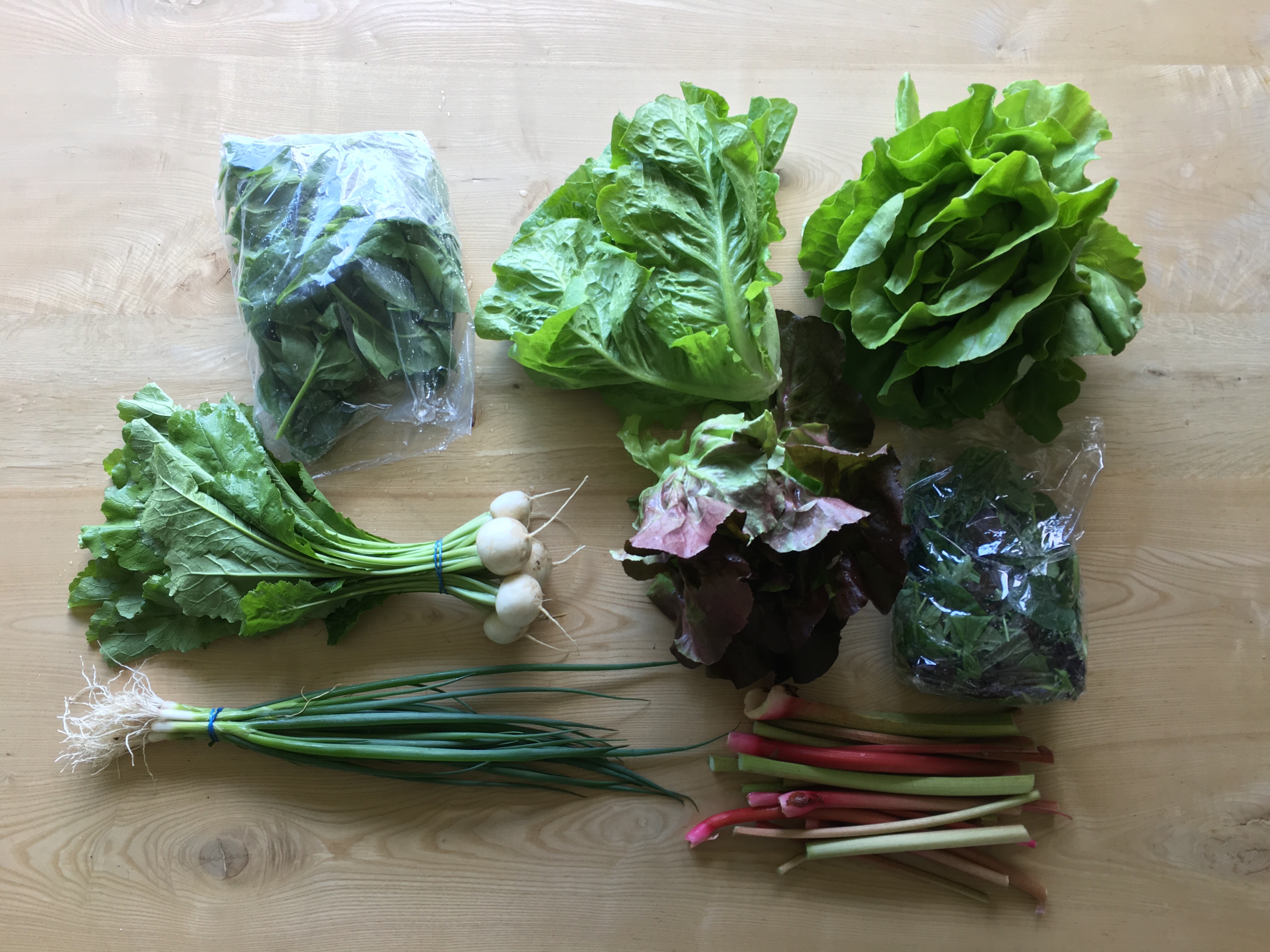
Green Onions – Greens mix – Rhubarb – Lettuce – Radishes – Spinach – Turnips


Spinach and Quinoa Patties

1 cup – uncooked quinoa OR 2 ½ cups pre-cooked quinoa, (black, white or red)
¾ cup – rolled oats
4 eggs
7 oz – feta cheese
4 cups – fresh spinach, chopped
sea salt & pepper
coconut oil, butter, olive oil or ghee for frying

Cook quinoa: Place 2 cups water, rinsed uncooked quinoa and a pinch of salt in a medium-size saucepan. Bring to a boil, lower the heat to a bare simmer and gently cook for about 15 minutes, or until you see small tails on the quinoa seeds. Set aside to cool.

In a large mixing bowl, place cooked quinoa, oats, eggs, feta cheese, chopped spinach, salt and pepper and combine until all is mixed. Place in the fridge to set for 30 minutes.
Take out the mixture and form 10 to 12 patties with your hands. Heat the oil in a frying pan on medium heat. Add the patties and fry for about 2-3 minutes on each side or until golden brown. Serve with lettuce, tomatoes, soft boiled eggs, beans and sprouts or micro greens. The patties keep for 3-5 days in the fridge and freezes well.

Garlic Roasted Turnips (also works with radishes)

Turnips from CSA box! 2 Tablespoons olive oil or butter (melted) 1 teaspoon garlic power 1 teaspoon Oregano Salt and pepper to taste

Preheat oven to 350 degrees. Remove greens and ends of turnips. Quarter turnips. In a mixing bowl mix ingredients together. Place turnips on baking sleet cut sides down. Roast 30-35 minutes or until fork tender and golden brown.