Summer CSA Week 7, 2022

Sugar snap peas below solar panels in the front of the farm.

Can you believe we’re already at the end of July?! We can’t! We are approaching harvest time for our preserving shares, one-time bulk produce boxes made specially for canning and freezing. We have shares of canning tomatoes, basil, garlic, green beans, juice carrots, and leafy greens. Get your preserving share order in now at foodfarm.csaware.com! These preserving shares are distributed via our CSA pick-up sites, so you can pick up with your regular summer share. The one exception is our green bean share, which you pick yourself; a fun excuse to come see the farm and get into the field. If you already have a preserving share, we will contact you in the coming weeks via email to schedule pick up.

New in the box this week is zucchini and snap peas. Snap peas are a favorite for fresh snacking.

Peas on the vine

In your share this week:

Napa Cabbage – Zucchini – Lettuce – Cucumber – Green Onions – Carrots with Tops – Snap Peas – Cauliflower – Broccoli


Zoodles – Zucchini Noodles

Here are some tips for making great zoodles or zucchini noodles. Zoodles are a healthy gluten-free alternative to pasta!

Ingredients

Zucchini

Salt

Olive oil (about a tablespoon)

Pasta sauce of your choice

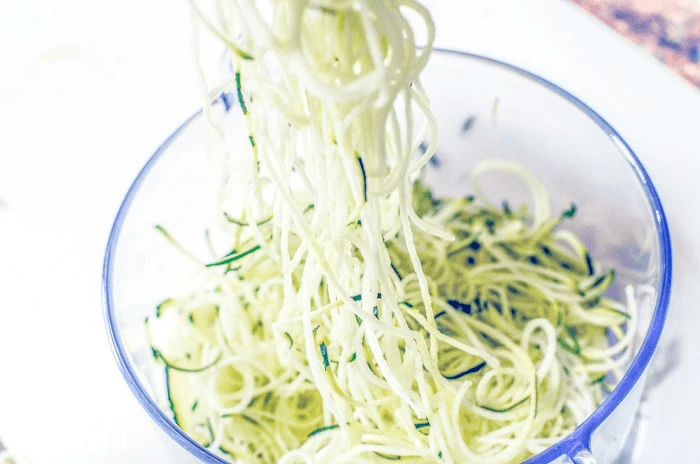
Finished spiralized zoodles

Instructions

  1. Cut the zoodles: Wash your zucchini, but don’t bother peeling. You may have seen or tried long curly zoodles before (image below). These are made with a spiralizer. If you have this tool, follow the manufactures instructions to slice up your zuc. If you don’t have a spiralizer, have no fear! A basic kitchen peeler will work just as well. Just keep peeling past the skin and peel the whole zucchini into long strips. Watch out for your fingers at the end.
  2. Remove excess moisture: Pat your zoodles between paper towels. Sprinkle with salt and allow to rest for 10-20 minutes. This will draw out excess moisture. Press into the paper towels one more time then you’re ready to cook your zoodles.
  3. Cook the zoodles: Saute your zoodles in a pan with a little olive oil over medium heat. Cook for 4-6 minutes or until the zoodles become tender. For the best non-watery results. Do not cover with a lid. Do not overcook. Season with salt and pepper if desired.
  4. Serve with your favorite pasta sauce.

Try zoodles with Carrot Top Pesto, from the week 4 newsletter!


Two members of our farm crew harvesting green onions in the greenhouse.

For the farm crew,

Starr

Summer CSA Week 6, 2022

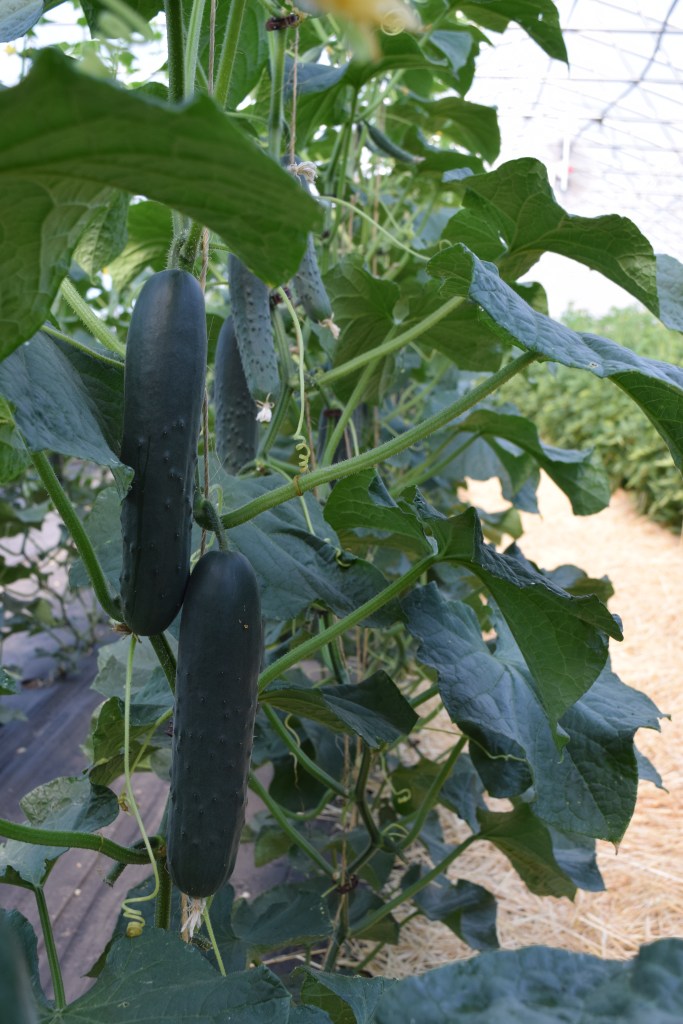
Cucumbers ripening in the greenhouse

It’s hot and the CSA boxes are bursting! New in the box this week is Swiss chard and napa cabbage. We hope you’re staying hydrated and wearing plenty of sunblock and enjoying the heat!


In your share this week:

Swiss Chard – Napa Cabbage – Lettuce – Cucumbers – Green Onions – Broccoli – Carrots with Tops – Beets – Parsley – Garlic Scapes


Vegan Borscht

Serves 4

Ingredients

2 medium beets

3 small carrots (~1 1/4 medium carrots)

2 medium red-skinned potatoes

2/3 medium onion diced (approximately 2/3 cups, try substitution with the green onions in your box!)

2 stalks celery, diced

1 tablespoon and 1 teaspoon extra virgin olive oil

5 cups vegetable stock

1 1/4 cups shredded red cabbage

1 1/4 cups chopped beet greens or chard

1 tablespoon and 1 teaspoon chopped fresh dill

1 tablespoon and 1 teaspoon white vinegar

1 tablespoon and 1 teaspoon fine sea salt or to taste

freshly ground black pepper or to taste

1/4 cup sour cream vegan or regular (optional)

Instructions

  1. Begin by prepping your vegetables. Peel the beets. Scrub the carrots and potatoes. Dice everything up. It’s best if the beets are a slightly smaller dice than the rest as they take a little longer to cook (you could also shred them in a food processor).
  2. Heat the olive oil in a large pot over medium heat. Add the diced onion and celery and sauté for 5 minutes or until slightly softened. Add the diced carrots and cook for an additional minute or two.
  3. Tumble in the beets and the potatoes. Pour in the vegetable stock and bring to a boil. Reduce heat and simmer until root vegetables are al dente.
  4. Tip in the cabbage and beet greens. Bring soup back up to a boil, then reduce heat and simmer for 10-12 minutes. Vegetables should be tender.
  5. Sprinkle in the dill and the vinegar. Season the borscht to taste with salt and pepper.
  6. Ladle borscht into bowls and serve with a dollop of vegan or regular sour cream.

Notes

Cool completely before refrigerating the leftovers in airtight containers. Borscht will keep for up to five days in the fridge and up to six months in the freezer.

Based off a recipe from Simple Bites.


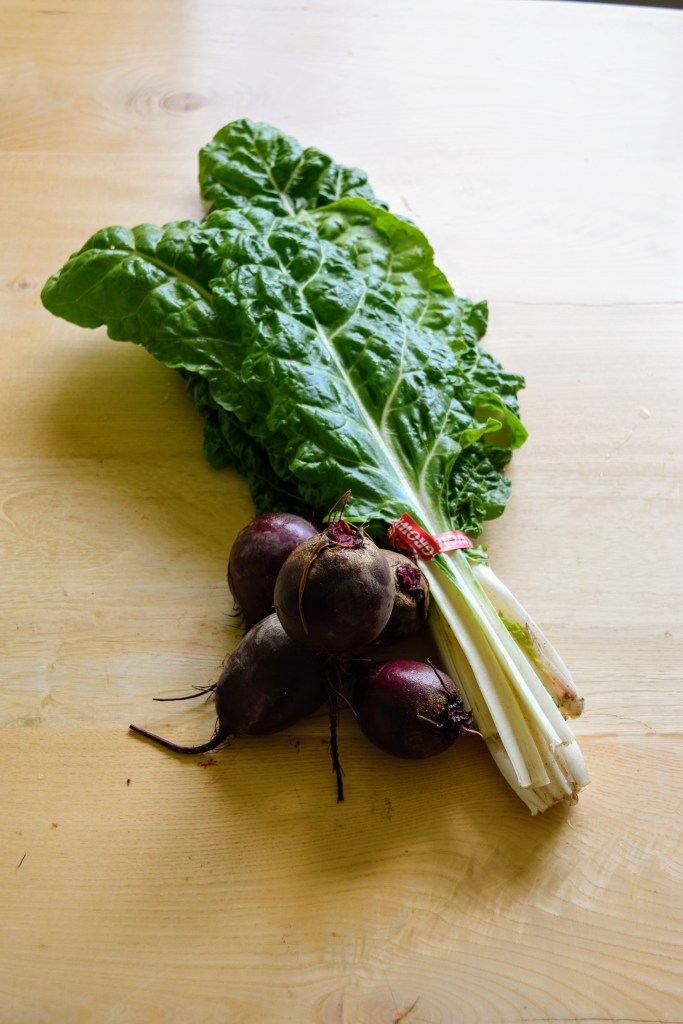
Beets and Chard

Did you know beets and chard are actually the same plant, Beta vulgaris? If you’ve grown both in your home garden, you may have noticed the similarities between the seeds and the leaves. The difference is that Swiss chard has been bred to favor leaf production, while beets have been bred to favor sweet fleshy roots.

The vegetables we eat didn’t just appear in the wild one day. Desirable traits have been “selected” for thousands of years to develop the tasty crops we enjoy today. Seeds are saved from plants that show the genetic variations we enjoy (more leaves versus fleshier roots) and then crossed through pollination with other plants with desirable traits so the offspring are better and better for human production and consumption. Please note, this is different from genetically modified which is done in a laboratory versus going through the generations of plants crossing for desirable traits already present in the species.

Rows of chard in the field

Resources for Veg Care and Use!

Remember to use the Vegetable Guide! Click the link below to see a pdf that describes most of the Food Farms crops and how to best care for the produce:

For the farm crew,

Starr

Summer CSA Week 5, 2022

We love fresh produce any time of the year, but early summer is particularly special. There’s something magical about the first time in a season we’re able to share a vegetable. We have several firsts this week: cauliflower, kale, cucumber, AND garlic scapes. We’re watching our harvests diversify and we love it!

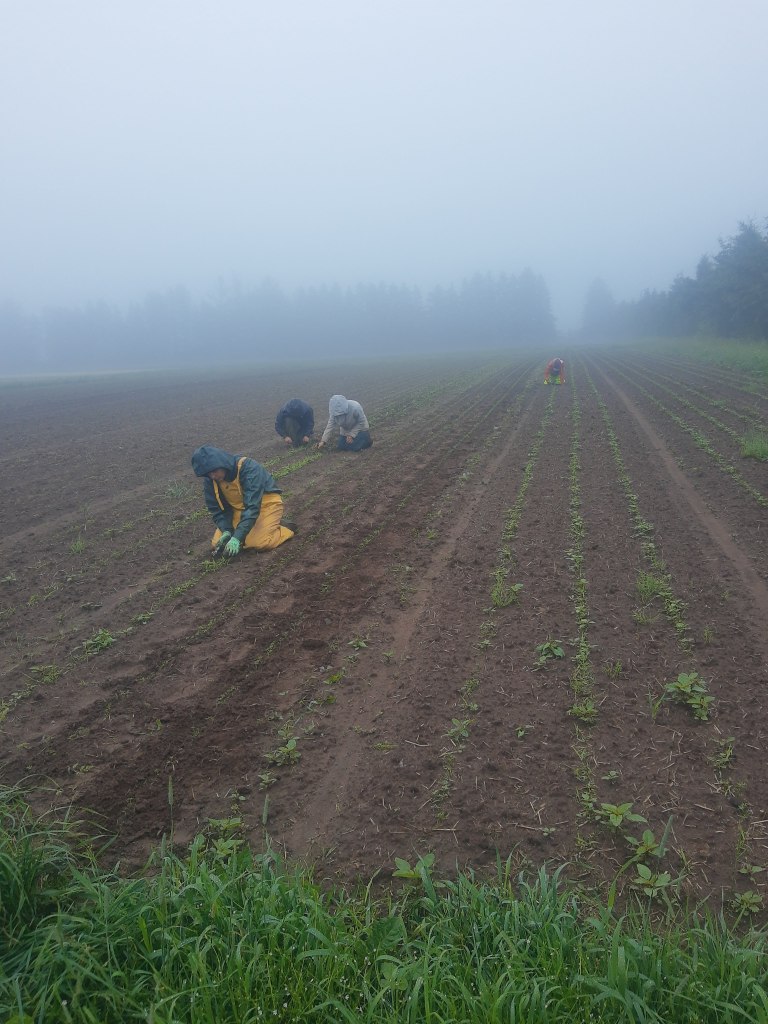
Pictured to the right: the crew weeding carrots in a wet fog on the 4th of July.

We’ve had some more storms and wet weather this past week, but fortunately nothing severe, and the moisture levels aren’t excessive. A word of advice to home gardeners: stay out of your gardens as much as possible in wet weather. Stepping in wet mud will cause compaction and be detrimental to your soil’s health. Plant diseases spread more readily in wet weather and your hands and tools could make that worse. On the Farm, have to keep working, even when it’s rainy, but we’re very selective about the tasks we do and how we harvest. Keep dry!


In your share this week:

Broccoli – Cauliflower – Lettuce – Green Onions – Carrots with Tops – Kale – Garlic Scapes – Cucumber


Forager’s Soup

Serves 6-8

Ingredients

4 tablespoons butter (use olive oil for a vegan alternative)

1 cup diced onion

1 medium potato, peeled and diced

salt and freshly ground black pepper

2 cups chicken or vegetable stock or hot water

1 1/2 cups whole milk (optional)

1/4 cup heavy cream (optional)

~4 cups (8 oz) mixed chopped spring greens, include scapes, kale, green onions, carrot tops, and/or broccoli (use whatever is on hand!)

3 tablespoons olive oil (to cook meat)

3 oz chorizo or bacon, finely diced (optional)

Preparation

  1. Melt butter in a large pot over medium-high heat. Once the butter foams add onion and potato and stir to coat butter. Add salt and pepper. Turn down heat and sweat the onions and potato on with a tight fitting lid for 10 minutes. Vegetables should not brown.
  2. Heat the stock (or water) in a saucepan until simmering. Add hot liquid to potatoes and onions and simmer 5-10 minutes more until vegetables are completely cooked. Add greens and simmer uncovered for 2-3 minutes more. (Don’t over cook the greens!)
  3. Blend with a blender or hand blender. Puree until smooth. Salt and pepper to taste. Stir or blend in milk and cream.
  4. If adding meat, heat olive oil in a small skillet. Add chorizo or bacon and cook until fat is rendered and meat is crisp, 5-10 minutes. Remove and drain on paper towels. Reserve the oil for a garnish or other cooking projects.
  5. Serve soup hot with the above meat and a few drops of the cooking oil to garnish.

This soup can be made a day in advance and kept in the refrigerator! Just gently reheat on the stove top, uncovered. To make this recipe vegetarian, use vegetable broth and skip step 4. To make vegan, also exclude the milk and cream, or substitute with vegan milk option.

*The above recipe is adapted from “Forgotten Skills of Cooking” by Darina Allen and has revisions from volunteer Deb Rausch to better suit our boxes this week. *(Source of recipe previously listed incorrectly.)


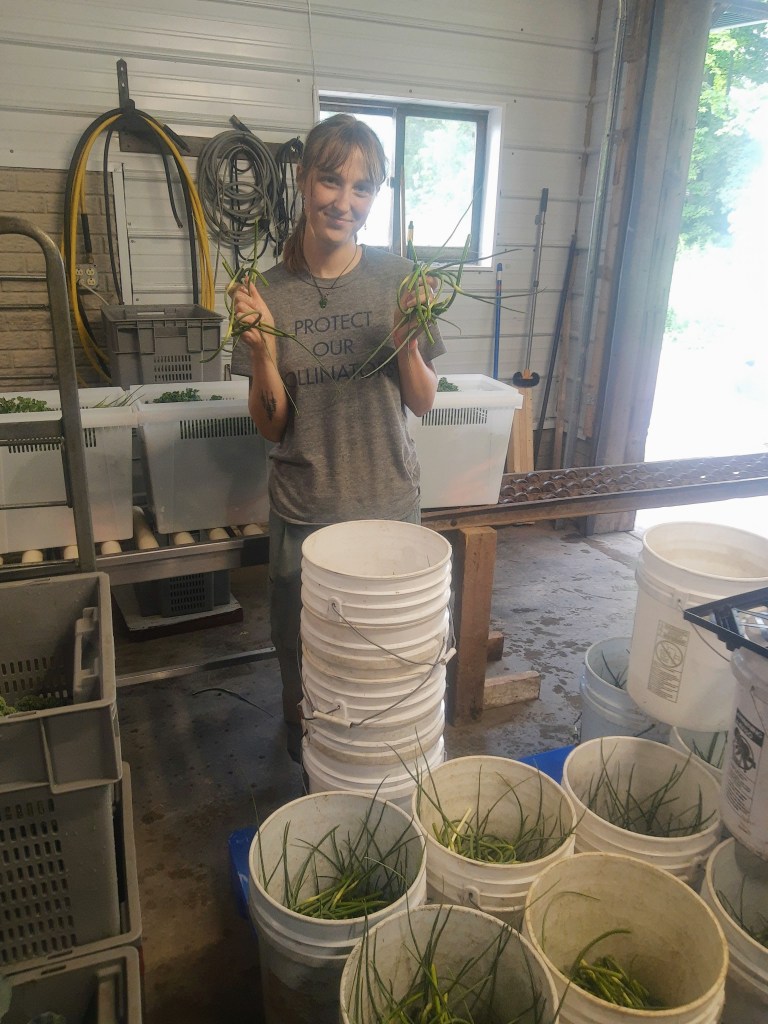
garlic scapes ready to go into share boxes

What are garlic scapes?

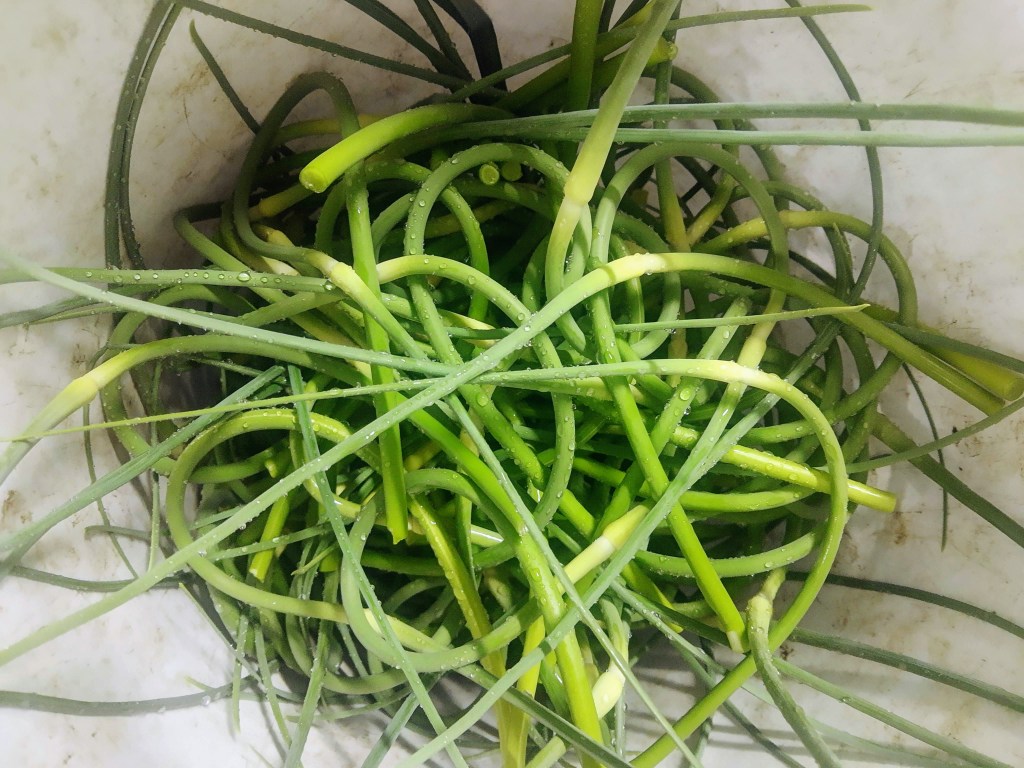
Scapes are the curly stems produced by hardneck varieties of garlic. We prune off these scapes so the garlic plant puts more energy into producing the garlic heads we all enjoy. If left on the plant these scapes would produce bulbils, which are like seeds that produce a clone of the parent plant.

Lucky for us, scapes are super tasty and get us through the early summer before the garlic crop is ready! Scapes are have a hot garlic flavor when eaten fresh and are a great garlic replacement in pesto. When cooked, the flavor mellows out. Try grilling garlic scapes or adding them to soups.


Still looking for recipes?

Use the Tag Cloud below to find archived recipes from past years. Just click an ingredient below and you’ll be taken to a list of all posted newsletters with a recipe that includes that vegetable. The larger the text below, the more posts there are including that vegetable.

Arugula Basil Beet Bell Pepper Broccoli Brussels Sprout Brussels Sprouts Cabbage Carrot Cauliflower Celery Cilantro Cucumber Delicata Squash Dill Dressing/Sauce Egg Garlic Garlic Scape Green Bean Green Onion Jalapeno Kale Leek Lettuce Mint Napa Cabbage Onion Parsley Parsnip Pepper Potato Radish Red Onion Rutabaga Scallion Shallot Spinach Squash Thyme Tomato Turnip Winter Squash Yellow Onion Zucchini

The farm crew admiring dramatic cloud formations on 7/11 just before being pelted with rain.

For the farm crew,

Starr

Summer CSA Week 4, 2022

We have fun, even when mulching tomatoes on a hot day.

Happy Fourth of July! I hope you enjoy some family time, great food, and protect your dogs from the scary firework noises.

On the farm we’re celebrating with our first harvest of carrots! The carrots in the share this week are coming with their tops ON because carrots greens are edible and TASTY. See below for a carrot top pesto recipe.


In your share this week:

Green Onions – Broccoli – Lettuce – Carrots with tops – Radishes


Carrot Top Pesto

Ingredients

1/3 cup pine nuts (try substituting cashews, walnuts or sunflower seeds)

2 small cloves garlic, peeled

4 cups lightly packed, well washed and dried carrot top greens (from 1 1-pound bunch of carrots)

1 cup lightly packed fresh basil leaves, plus more as needed (NOTE: If your bunch of carrots yields less than 4 cups of greens, add as much basil as you need to get a total of 5 cups of greens.)

1/3 cup (1 ounce) freshly grated Parmesan cheese

2 tablespoons fresh lemon juice

1 tablespoon water

1/2 teaspoon fine salt

1/4 teaspoon freshly ground black pepper

1/2 cup extra-virgin olive oil

Preparation

  1. In a small, dry skillet over medium heat, toast the pine nuts, shaking the pan frequently, until fragrant and golden brown, about 3 minutes. Transfer to a plate and let cool slightly.
  2. In a food processor, process the pine nuts with garlic until minced. Add the carrot tops, basil, cheese, lemon juice, water, salt and pepper and process until finely minced. With the machine running, slowly pour the oil in a steady stream through the feed tube and process until well blended.

Radish Salad

1 serving

Ingredients

6 radishes

1/2 tablespoon salt, plus more to season

vinaigrette or orange juice

olive oil

pepper

red pepper flakes (optional)

mint or parsley (garnish)

Preparation

  1. Cut about radishes into matchsticks or sliced very thinly and placed in a bowl of cold water with a tablespoon of salt. Let the radishes soak for about 15 minutes, drain them, and rinse them well.
  2. Dress the radishes with a vinaigrette or orange juice and a bit of olive oil. Salt and pepper to taste. Add a pinch of hot pepper flakes if you like them and garnish with mint or parsley.


Last week we mulched the field tomatoes (pictured above). These tomatoes are paste type tomatoes for sauces and will go towards the canning tomato preserving share. Food Farm preserving shares are one-time boxes made specially for the canning crowd. Whether you want to stock up on freezer pesto, make all your family dilly beans for Christmas, or perfect your marinara recipe, the preserving shares are ideal for community members who want bulk orders of the freshest local produce. Canning tomatoes will be ready for pick-up between the beginning of August and the first frost, but you can (and should!) get your preserving share order in now at foodfarm.csaware.com .

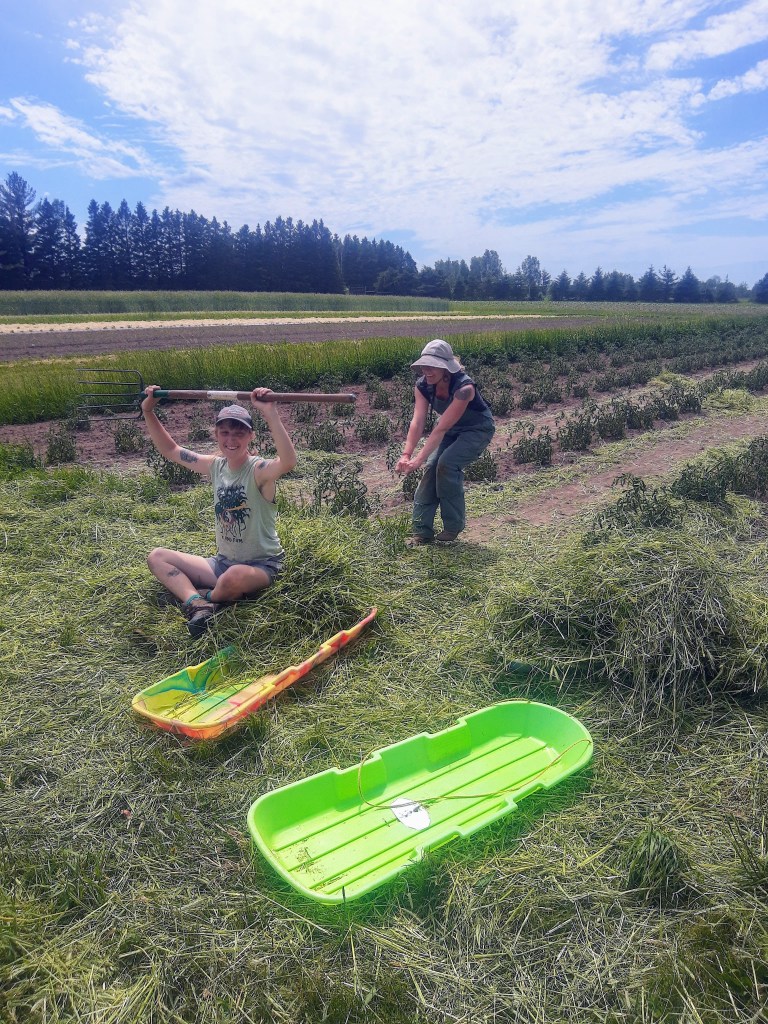
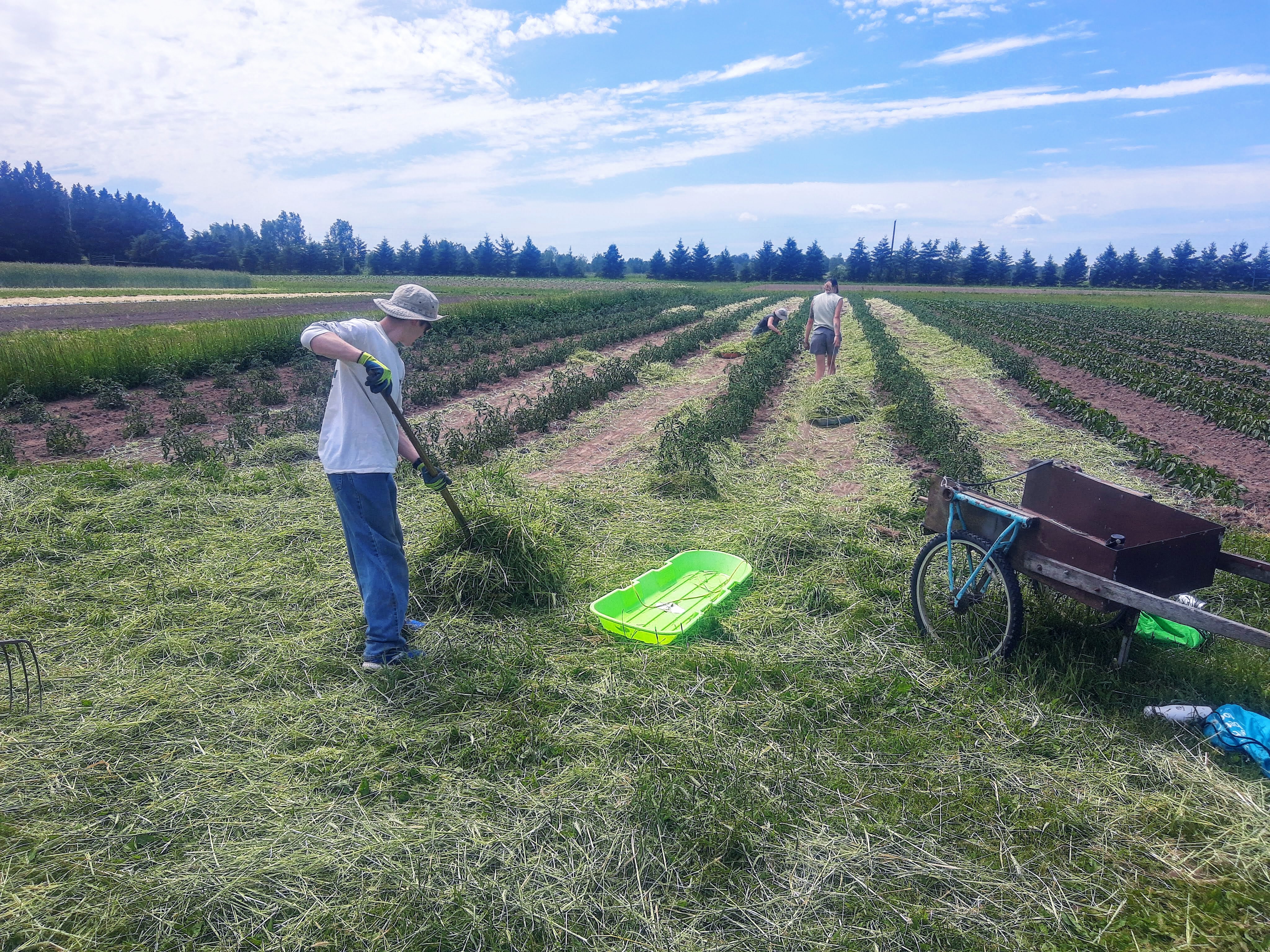
We are fortunate at the Food Farm to have enough space and appropriate equipment to grow our own mulch. Other farms have to buy in straw. Janaki cuts fields of tall rye cover crop and then the crew tucks in the tomatoes using sleds and pitchforks. It’s like sledding, but all uphill and a lot more itchy! The mulch will suppress the weeds and keep in soil moisture so our tomatoes grow big and strong.

Golden hour on the farm.

For the farm crew,

Starr

Summer CSA Week 3, 2022

Ellis with turnips

Welcome to summer! June 21st was the Summer Solstice, the longest day and shortest night of the year. We received 15 hours 52 minutes on the farm!


In your share this week:

Green Top Beets – Lettuce – Green Onions – Pac Choi – Radishes – Spinach – Salad Turnips


A note on this week’s spinach: our previous batches of spinach have come from our greenhouses which means they have been protected from the elements. This week’s spinach is from the field, so you may find it a little dusty from splash back from the rain and wind. We don’t wash the spinach on farm, because we find it lasts longer if we don’t get it wet before we get it to you. When you’re ready to use your spinach give it a wash, and either wash and dry the bag or transfer it to a clean bag. See how to wash greens in the video we posted last week!


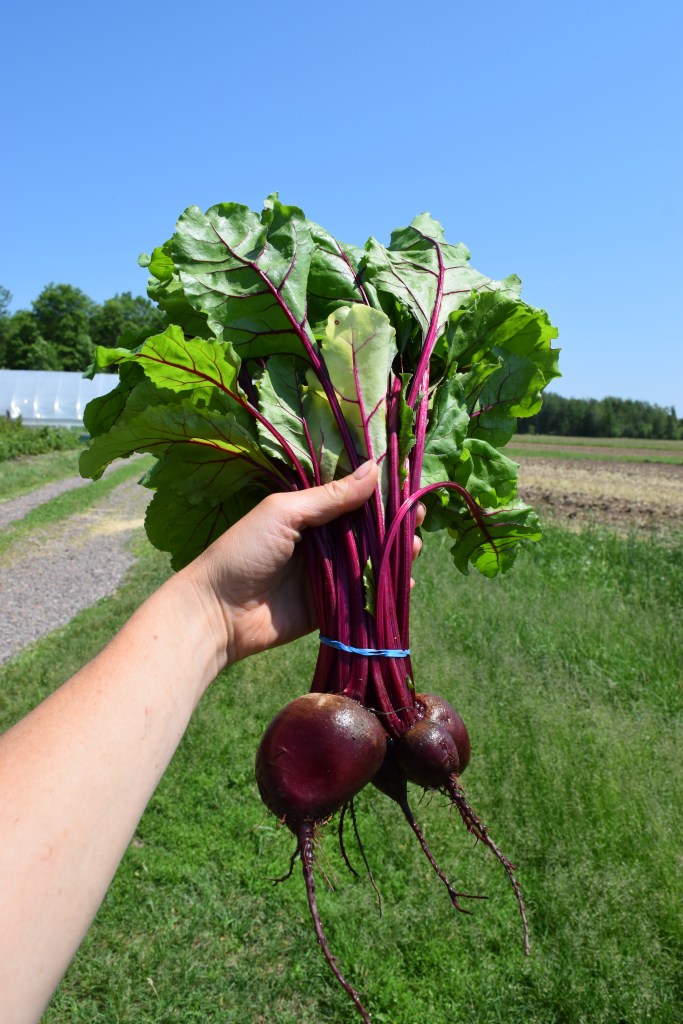
Beets with greens ready to go out in a CSA share!

The beet beat: did you now every part of the beet is edible? Beets tend to mature at varying rates, so you’ll probably find a range of sizes in your bunch this week. One thing they all have in common is delicious greens! Beet greens can be prepared any way you’d prepare kale. The most common way to prepare beet greens is in a sauté. Coat a pan with olive oil and cook your greens until they are wilted and tender (5 to 8 minutes). Add minced garlic, salt and pepper, or try experiencing with any of your favorite seasonings and aromatics.


You will find lots of salad turnips in your share this week! These turnips are best eaten fresh, but can be cooked (see a recipe below). These turnips are similar to radishes, but without the spiciness. You’ll find the turnips delightfully crunchy and juicy. Throw them in a big salad or eat them straight as a snack.

Here is a turnip poem written by a nine-year-old Henry Wadsworth Longfellow. It sounds like Longfellow only had access to old storage turnips. This poem might be a little more joyful if it was a fresh salad turnip they were eating, but we still love any literary ode to veggies.

Mr. Finney’s Turnip

By Henry Wadsworth Longfellow

Mr. Finney had a turnip,
And it grew, and it grew,
And it grew behind the barn,
And the turnip did no harm.

And it grew, and it grew,
Till it could grow no taller;
Then Mr. Finney took it up
And put it in the cellar.

There it lay, there it lay,
Till it began to rot ;
When his daughter Susie washed it
And put it in the pot.

Then she boiled it and boiled it,
As long as she was able;
Then his daughter Susie took it
And put it on the table.

Mr. Finney and his wife
Both sat down to sup;
And they ate, and they ate,
Until they ate the turnip up.

Lebanese Pink Pickled Turnips

Ingredients

1 pound turnips, peeled, quartered, and sliced 1/4 inch thick

1 small beet, peeled and quartered

1 clove garlic thinly sliced

1/2 cup vinegar

2 tablespoons kosher salt

1 teaspoon sugar

1 1/2 cups water

Preparation

  1. Put turnips, beet and garlic into a wide mouth heatproof 1 quart jar.
  2. In a small saucepan, bring vinegar, salt, sugar and water to a boil. When salt and sugar are completely dissolved, pour brine over vegetables to fill the jar. Leave to cool.
  3. When completely cool, cover jar and chill for 1 week.

Caramelized Hakurei Turnips

“Hakurei” turnips are another name for salad turnips, originally developed in Japan.

Ingredients

4 servings

2 tablespoons olive oil, plus more for greasing the baking sheet

2 bunches hakurei turnips, greens removed, washed but not peeled

1 teaspoon kosher salt

Freshly ground black pepper

Preparation

  1. Preheat oven to 425 degrees F. Grease baking sheet lightly with olive oil.
  2. Slice the turnips about 1/4 inch thick. You can do this with the slicing disk of a food processor, an adjustable mandoline, or by hand with a knife.
  3. Combine turnips with 2 tablespoons of olive oil and salt in a large bowl. Toss and coat turnips.
  4. Pile turnips on prepared baking sheet, spreading them as close as possible to a single layer.
  5. Roast the turnips until they are crisp and golden around the edges, 15-20 minutes. Shuffle turnips and roast 5 minutes more. Remove from oven and top with freshly ground black pepper.

Basic Vinaigrette

Spring and early summer is the season of greens! It is easy to make your own salad dressing at home. I like to put all my vinaigrette ingredients in a jar, and shake to combine. That way any dressing I don’t use, I can leave in the fridge for a future salad! Add any seasonings and herbs you prefer for different flavors.

Ingredients

¼ cup extra virgin olive oil
2 tablespoon balsamic vinegar
1 tablespoon whole grain dijon mustard
1 ½ teaspoon maple syrup (or agave)
1 teaspoon fine grain kosher salt
½ teaspoon ground black pepper

Preparation

  1. Combine!

Greenhouse after harvesting beets and scallions for Monday’s shares. Lots more tasty produce to come!

For the farm crew,

Starr
Summer CSA Week 2, 2022

Super star Food Farm member, Lynne, shows us how to unbox your veggie box and keep the produce fresh for your consumption!

Week 2 of the CSA! Our crew is back in the CSA rhythm and excited to bring you more delicious produce. Thanks to some super star volunteers we have an educational video for you about how to take care of the producing coming in your shares. Experienced CSA members and newbies alike will benefit from watching the video above!

Things are moving fast here at the farm, the hustle intensifies in hot weather as both crops and weeds develop quickly and need attention. On a related note: that’s why there are three heads of lettuce in your share this week!


In your share this week:

Broccoli – Head Lettuce – Oregano – Pac Choi – Potatoes – Radishes – Spinach


This share includes the last of the 2021 potatoes. This is very late to store potatoes, so please keep them in the refrigerator and use them quickly. If your potatoes sprout you can still break off the sprouts and use the potato as usual. You’ll have potatoes in your box again in August when our first crop of “new” potatoes is ready.


Greek Potatoes

Ingredients

6 servings

6 medium potatoes, cubed (3 pounds)

1/2 cup fresh lemon juice (~2 1/2 lemons)

1/3 cup vegetable oil

1 tablespoon olive oil

2 teaspoons salt

1/2 teaspoon black pepper

11/2 tablespoon fresh oregano

2 garlic gloves, minced

3 cups hot water

chopped fresh parsley

Preparation

  1. Preheat oven to 475 degrees.
  2. Toss together potatoes, lemon juice, salt, pepper, oregano and garlic in a deep flat pan about 8 x 12 inches. Add water to the pan.
  3. Bake for 1 1/2 hours at 475. Stir every 20 minutes adding more if needed to prevent sticking. Be careful not to burn in the last 30 minutes of cooking. During the final 15 to 20 minutes, allow water to evaporate.
  4. Garnish with fresh parsley and serve.

You can also try recipes from past newsletters like:

Pac Choi and Shiitake Stir-fry

Quick, spicy pickled radishes


The Free Range Film Festival is THIS WEEK. This is your opportunity to come out to Wrenshall and watch independent films in a beautiful historic barn. Friday and Saturday at 7pm. There will also be music by Darin Bergsven and the Denfeld Honors Quartet and a food truck on site. We’d love to see you there!

909 County Road 4, Wrenshall MN

June 24 & 25, 7:00pm

While there is officially no charge for admission, the organizers do ask audience members for a $10 donation to help pay for barn maintenance.

For the farm crew,

Starr

Summer CSA Week 1, 2022

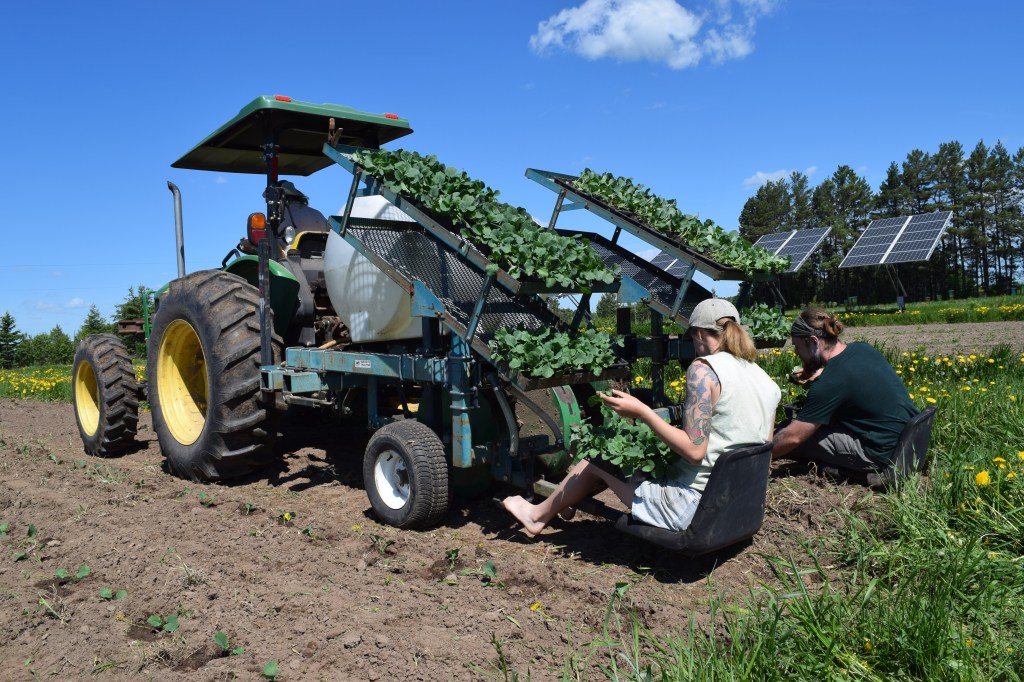
Planting broccoli

Welcome to the 2022 summer CSA season! Thank you for being part of our community. You enable us to do what we love! After a cool slow start up, it’s starting to look like summer. The dry weather of the last two weeks have been great for getting field work done and the farm is finally looking lush and green. The farm crew has been hard at work weeding and planting, and we’re excited to begin harvesting as well!


In your share this week:

Dill – Greens Mix – Head Lettuce – Potatoes – Rhubarb – Spinach


Potatoes in June? Yes! This is a first for us–we had such a good crop last fall that we were able to save some for the first two shares. This is very late in their storage life, however, so please keep them in the refrigerator or they will sprout quite quickly. Sprouts aren’t bad though, so just break them off and use the potato as usual.

A note on the greens mix: our greens mix includes a special blend of kale, mustard and other members of the brassica plant family. This year we have seen an increase in flea beetle activity, which leaves little holes in the leaves of these plants. This is totally harmless; in fact, in French markets people seek out greens with these holes because it demonstrates the produce was grown organically without harmful pesticides! This can however increase the product’s spiciness. The greens mix makes excellent fresh eating in salads, but if you find this batch too spicy for you, a quick cook will mellow out the flavor. Try adding the greens mix to soup or lightly sautéing the greens with olive oil, a dash of salt and any other preferred spices.

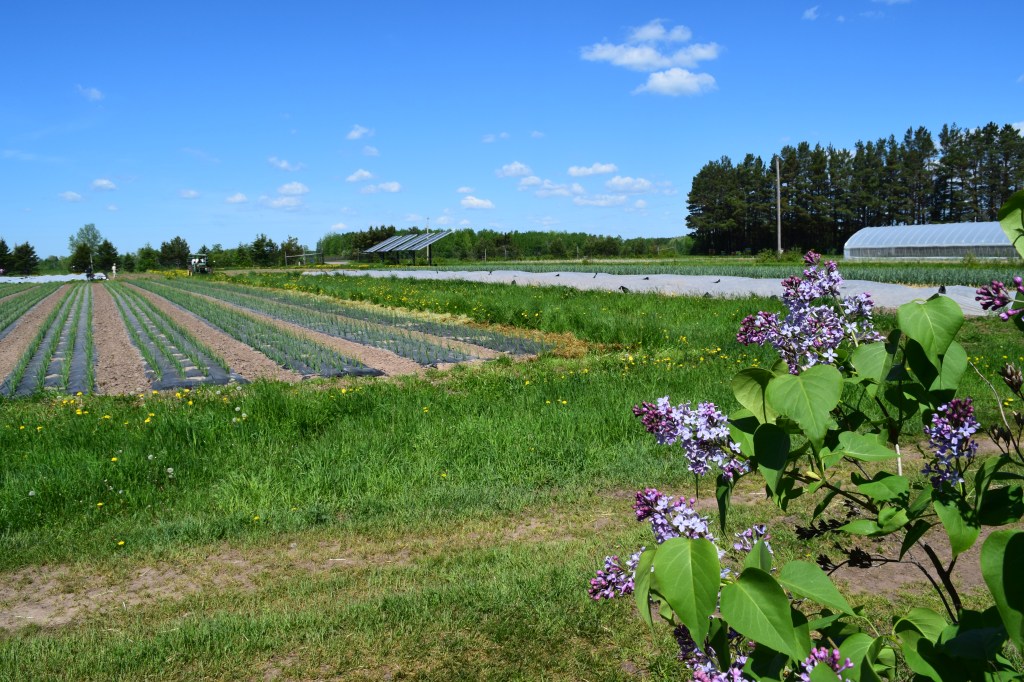
Lilacs overlooking the fields

I love the German variation on potato salad. With its olive oil and vinegar base, it is much lighter and brighter than the Midwestern mayonnaise based recipes. This brightness allows the herbs to really shine in this dish. When parsley comes into season, you can also try substituting the dill for bacon and parsley. Enjoy!

German Potato Salad with Dill (From Bon Appétit)

Ingredients

6 Servings

2 pounds small potatoes, halved and scrubbed

¼ cup olive oil

½ onion, chopped

Kosher salt and freshly ground black pepper

¼ cup apple cider vinegar

4 scallions, sliced

2 tablespoons fresh dill, chopped

1teaspoon caraway seeds, toasted

Preparation

Step 1: Cover potatoes with cold salted water, bring to a boil, and cook until tender; drain and transfer to a large bowl.

Step 2: Meanwhile, heat oil in a medium skillet over medium-high heat. Add onion; season with salt and pepper. Cook, stirring often, until soft, about 5 minutes.

Step 3: Remove from heat and mix in vinegar. Add to potatoes along with scallions, dill, and caraway seeds and toss, crushing potatoes slightly; season with salt and pepper.

You can also try recipes from past newsletters like:

Dilly Veggie Dip

Spinach and Quinoa Patties

Rhubarb Vanilla Compote


Finding Archived Recipes

You can now search previously posted Food Farm recipes using the “Tag Cloud” below. If you click an ingredient below it will take you to a list of the newsletters that include a recipe using that ingredient. Larger text means there are many recipes using that ingredient while smaller text means fewer recipes have been tagged so far.

Arugula Basil Beet Bell Pepper Broccoli Brussels Sprout Brussels Sprouts Cabbage Carrot Cauliflower Celery Cilantro Cucumber Delicata Squash Dill Dressing/Sauce Egg Garlic Garlic Scape Green Bean Green Onion Jalapeno Kale Leek Lettuce Mint Napa Cabbage Onion Parsley Parsnip Pepper Potato Radish Red Onion Rutabaga Scallion Shallot Spinach Squash Thyme Tomato Turnip Winter Squash Yellow Onion Zucchini

We hope this will help you explore new and old recipes and take advantage of the produce in your share!

Chester, the Great Pyrenees and Food Farm guardian

For the farm crew,

Starr
Food Farm Veggie Guide

We hope you’re as excited about your CSA share as we are here at the Food Farm. Above is our newly updated “Vegetable Guide,” which outlines a majority of the crops our CSA members will be getting in their shares this season. This guide will help you know when to anticipate specific veggies, how to store each type of produce for optimal freshness and some ideas for cooking. Click the “Download” button to save the file as a pdf on your computer.

April Winter CSA

Happy Spring, food lovers!
The time has come for our final Winter Share of the season. Whether you’re new to us or a day-one member, we thank you for letting Food Farm feed your family this winter. Our root cellar is almost empty but our hearts are full. It is so rewarding to see the fruits of last year’s labor still providing nourishment at the dawn of a new season. I would also like to give a special shoutout to our wonderful soil and local honey bees for helping us make it all possible.

As I mentioned last month, this growing season is already in the works. Our onions and leeks are doing well. We have also started the first batches of tomatoes, peppers, and brassicas. As usual, there are some slight changes we’ve made to each of these crop plantings this year. We often experiment with new varieties in addition to other improvisations and adaptations and it is exciting to watch these changes unfold. The crew is eagerly waiting for the last of the snow to melt so we can get to work full time by the end of the month.

See you in the summertime!

Emily

In your shares this month:
Beets, Carrots, Garlic, Onions, Yellow and Red Potatoes, Shallots, Rutabagas

Your recipes this month would make great sides for Easter dinner!

Carrot Puree
1 lb carrots peeled and cut into coins
Add water to cover generously and bring to a boil. Cook until the carrots are completely tender
(25 or so minutes). Drain and mash carrots with following:
1/2 cup milk or cream
1-1/2 tablespoon butter
1/2 tsp salt
1/2 tsp ground cumin

Rutabaga and Potato Gratin
1-1/2 lbs rutabaga and potatoes (total), peeled and sliced thinly
1/2 clove of grated garlic
1/4 cup finely chopped onion
salt and pepper
1/2 tsp thyme
3/4 cup grated sharp cheddar or Gruyere cheese
1-1/2 cup milk
Heat oven to 400 degrees. Season sliced veggies with salt, pepper, and thyme. Arrange the
veggies in a gratin dish (or 9″x13” pan). Add milk. Bake for 45 minutes, pressing veggies down
into the milk one or two times during baking. After 45 minutes, add the cheese. Stir it into the
veggie mix and return to oven for 20-30 minutes (until veggies are completely soft and easily
pierced with a fork).

Cajun Rutabaga Chips
CHIPS
Rutabaga (peeled)
1.5 lbs
Extra Virgin Olive Oil
0.7 fl oz.
CAJUN SEASONING
Oregano 1 tsp
Thyme 1 tsp
Paprika 0.5 tsp
Cayenne Pepper 0.5 tsp
Garlic Powder 0.5 tsp
Black Pepper 1 pinch
Salt
STEP 1
Peel the rutabaga and then use a mandolin slicer or sharp knife to slice the swede into very thin
chips.
Ensure the chips are 1 to 2 mm thick, or they won’t crisp up as nicely.
STEP 2
Combine the Cajun seasoning ingredients in a small bowl. In another bowl, toss the rutabaga
chips with the olive oil.
Then, tip in the cajun spice mix and rub the chips thoroughly until they’re well coated
STEP 3
Now, arrange the seasoned chips flat on a baking tray lined with parchment paper.
You can keep them close to one another as they will shrink a lot while cooking. As they might
not fit all into one tray, we recommend baking them on multiple trays.
Bake the chips for 25 minutes at 250 °F in fan mode or at 285 °F in static mode.
Once they look smaller and curled up, flip them upside down and swap the trays top to bottom
and front to back.

These chips are best when consumed on the same day as they will lose some of their crispiness when stored longer.

March Winter CSA

Hello beloved farm members,

This is the time of the year when our farm seasons begin to overlap. We are still packing up the last of our veggies from this past growing season and sending them to our wholesale customers and your CSA shares. In addition, the crew also started planting onions and greens for this upcoming season. Onions are the first to be seeded into flats, and one of the first be transplanted into the fields each year. This year we planted over 40,000 onion seeds! Greens mix is relatively quick, but it’s always touch and go whether they’ll be ready in time for the April Winter Shares, so bring on the sun! It’s exciting every year to get the new season rolling while we’re still sending out produce from last year.

This growing season we will have some new faces here on the farm as well as some seasoned veterans. Personally, I am excited to meet new crew members and learn their life stories and what brought them to work at the Food Farm. Everyone’s story is different but our goals are all relatively the same: getting our hands dirty and growing good organic veggies for our community. I feel like I learn new things almost every day at the farm, so I am also looking forward to that this year too.

A few weeks ago we had the pleasure of being interviewed by Fox21 to let our community know how things are going for us at the farm. Check our the interview (and my cinematic debut) by clicking this link here: https://www.fox21online.com/2022/02/28/food-farm-ready-for-2022-farming-season/?fbclid=IwAR1iteB7ZoSbY1O-82BXkTwMGjuKBPEG1ULnkIjY1QuBdD9-I94tPLq4k5A

We hope you’ll have a chance to get outside and enjoy the warmer weather this week!

For the farm crew, Emily

In your shares this month you will find:

Red Cabbage, Rutabaga, Beets, Red Potatoes, Fingerling Potatoes, Onions, Parsnips, and Orange and Purple Carrots.

May be an image of 1 person and outdoors

Beet and Fennel Salad with Citrus 

  • 2 lbs beets
  • 3 oranges (assortment looks pretty:  navel, cara cara, mandarins, blood oranges)
  • Fennel (one bulb), very thinly sliced
  • 1 shallot, very thinly sliced (or red onion)
  • 1/2 cup olive oil
  • 2 tbsp vinegar (white wine or champagne best, white is OK)
  • 1/2-1 tsp sugar or honey
  • Heat oven to 400 degrees.  Trim and wash the beets and wrap them in foil.  Put them in the oven and roast for 45-60 minutes, until tender.  Let cool.
  • Slice the peels and pith off the citrus.  Thinly slice (1/4″ or less) or section the oranges over a bowl to catch the juices.  
  • Slice or dice the beets and layer them on a platter.  Place the thinly sliced fennel, orange sections, and shallots on top of the beets.  
  • Make the vinaigrette by combining the vinegar, olive oil, sugar, salt and pepper (to taste) in a bowl.  Whisk until emulsified and pour over the salad. 
  • This salad is also very good with the addition of sliced avocado, but the leftovers are less attractive.  🙂

Carrot-Parsnip Soup (New York Times)

  • 2 tbsp olive oil
  • 2 1/2 cups chopped yellow onion
  • 3 cups coarsely chopped parsnip (about 1 lb)
  • 3 cups water
  • 2 1/2 cups coarsely chopped carrot (about 1 lb)
  • 2 cans (28oz total) vegetable broth
  • 1/4 tsp salt
  • 1 tbsp chives (garnish)
  • Heat the olive oil in a Dutch oven over medium heat.  Add the onion and cook 10 minutes or until tender, stirring occasionally.  Add chopped parsnip, water, carrot and broth:  bring to a boil.  Reduce heat and simmer 50 minutes or until vegetables are tender.  Remove from heat and let stand 5 minutes.  
  • Place 1/2 of parsnip mixture in a blender: process until smooth.  Pour pureed carrot mixture into a large bowl.  Repeat procedure with remaining veggies.  Stir in salt and pepper. 
  • Sprinkle chives on top of soup before serving.